IT downtime can feel like a never-ending headache. A single outage could freeze operations, frustrate clients, and drain company resources. The longer systems stay down, the bigger the ripple effects on productivity and revenue.
Here’s the good news: predictive analytics powered by large language models (LLMs) provide a smarter way to avoid these issues before they escalate. With real-time monitoring and precise forecasts, businesses can transition from reacting to issues to preventing them entirely.
This blog will explain how managed services rely on LLMs to minimize downtime through improved planning and quicker problem-solving. Stay tuned—your IT system deserves it!
The Role of Predictive LLM Analytics in Managed Services
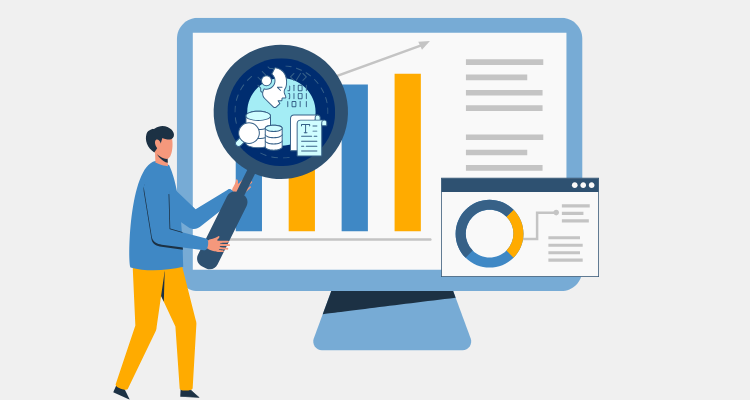
Predictive LLM analytics shifts IT operations from reacting to problems to anticipating them. It enables managed service providers to remain proactive in addressing potential system failures.
Transitioning from Reactive to Proactive IT Operations
IT teams using reactive strategies often wait for issues to surface before fixing them. This method risks extended downtime, frustrated clients, and rising costs. As outlined in Why managed IT services matter, proactive support and continuous monitoring are key to delivering a reliable technology infrastructure. Shifting to predictive analytics allows businesses to foresee problems before they disrupt operations.
Continuous monitoring of IT systems highlights subtle changes that indicate potential failures.
Predictive tools analyze patterns in real-time data to detect early warning signs. Alerts can identify unusual activities or performance declines, enabling quicker responses. Automating follow-up actions reduces human error and allocates resources for important tasks.
Adopting this approach reduces surprises while keeping systems running smoothly.
Enhancing System Reliability Through Prediction
Predictive LLM analytics identifies potential issues before they escalate into critical failures. These systems analyze historical data, monitor real-time performance, and detect anomalies that could interrupt operations.
For managed services, this means fewer server crashes, reduced hardware failures, and smoother IT workflows.
Such prediction-based insights allow businesses to take preemptive action. Systems can schedule updates during off-peak hours or replace failing components early. This minimizes downtime while maintaining consistent performance across IT infrastructure.
Reliable systems keep operations smooth and clients confident in your services.
Key Benefits of Predictive LLM Analytics
Predictive LLM analytics helps IT teams anticipate issues before they escalate. It streamlines operations, saving time and effort for managed service providers.
Reduced IT Downtime
LLM analytics predicts potential system issues before they occur. It detects patterns in data, highlighting equipment failures or network bottlenecks early. This enables IT teams to address problems quickly, preventing larger disruptions.
Fewer outages result in smoother operations and more satisfied clients. Managed services gain from minimized crisis management efforts, allowing a focus on long-term improvements instead of constant problem-solving.
Improved Resource Allocation
Predictive maintenance helps teams prioritize their time on vital tasks. IT staff no longer spend hours searching for issues or resolving recurring problems. With help from services like IT assistance from AT-NET, businesses can align technical expertise with predictive tools to streamline support. Instead, they focus on addressing system vulnerabilities before they become bigger concerns.
This approach minimizes downtime and allows experts to dedicate efforts to long-term technology objectives.
Regular analytics identify trends in workload patterns across systems. Managed services providers can allocate manpower where it’s needed most during high-demand periods. For example, a network experiencing heavy traffic receives immediate and focused support.
Knowing where your resources are most effectively spent saves both time and money.
Such efficient planning keeps businesses prepared for challenges while easing operational pressure for IT teams.
Cost Savings from Proactive Maintenance
Businesses cut costs significantly by identifying issues before they grow worse. Early detection reduces expensive emergency fixes and limits system failures that interrupt operations.
Addressing small glitches early avoids the need for costly overhauls or hardware replacements.
Improving maintenance schedules leads to better use of IT budgets. Regular updates, combined with predictive analytics, prevent unnecessary spending on equipment downtime or rushed repairs.
Companies save both time and money by avoiding unexpected outages that drain resources quickly.
Enhanced Client Satisfaction
Maintaining IT operations with predictive analytics reduces downtime and keeps systems running efficiently. Clients notice faster issue resolutions and fewer disruptions to their workflows.
This builds trust and reinforces relationships, leading to enduring partnerships.
Clear communication of system status enhances customer confidence. Automated alerts assure clients that issues are handled before they escalate. Dependable service delivery increases satisfaction, making managed services essential for businesses focused on growth.
Predictive Maintenance Implementation in IT
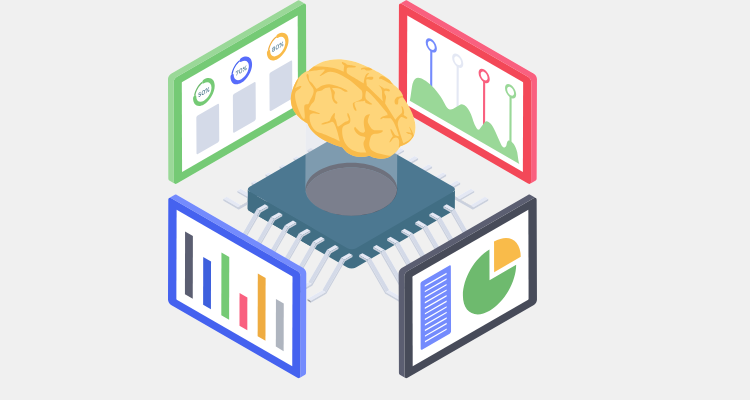
Plan more effectively by keeping track of essential systems and using predictions to address problems before they escalate.
Identifying Critical Systems for Monitoring
Certain systems are vital to business operations, and downtime can cost thousands. Identifying these critical areas is the first step to enhancing IT resilience.
- Focus on essential systems, such as servers or applications necessary for daily tasks. Concentrating on these ensures smooth workflows.
- Prioritize systems with frequent past issues or failures. Historical data often highlights fragile spots.
- Consider customer-facing services like websites and support portals. Outages in these areas directly affect client satisfaction.
- Monitor database infrastructure handling key business data. Disruptions here risk data loss or delays.
- Include network devices like routers and switches that maintain connectivity across teams.
- Examine compliance-critical platforms where downtime may lead to legal risks or penalties.
- Pay attention to older systems prone to breakdowns due to age or lack of updates.
- Evaluate field equipment if your company relies on remote operations, such as drilling machinery or mobile tech tools.
- Add recent technologies integrated into your IT setup that may require additional scrutiny during growth phases.
- Reassess monitoring targets quarterly to adapt as the business shifts priorities or expands its services further over time.
Integrating Predictive Models into Existing IT Infrastructure
Plugging predictive models into IT systems demands precision. First, assess existing tools and identify gaps in compatibility. Use APIs to connect newer analytics frameworks with current software.
Ensure data flows smoothly between systems without creating bottlenecks or lag.
IT teams should prioritize minimal disruption during integration. Start small by testing predictive maintenance on less critical networks or applications. Gradually expand as confidence grows in the model’s accuracy and reliability.
Document every step to support troubleshooting and future upgrades.
Automating Alerts and Remediation Workflows
Integrating predictive models into IT systems lays the groundwork for smarter workflows. Automating alerts and remediation simplifies managing IT infrastructure and reduces downtime quickly.
- Set automated alerts to identify anomalies in real time. Alerts notify teams about system issues before failures escalate.
- Configure thresholds in your predictive analytics tools. This helps prioritize critical problems requiring immediate attention.
- Link your alert system to ticketing platforms like ServiceNow, Jira or Jira alternatives. This ensures smooth tracking of incidents and resolutions.
- Enable automated workflows for common IT issues, such as restarting servers or rerouting traffic. It saves time by reducing manual intervention.
- Add escalation rules for unresolved incidents within defined timelines. This guarantees timely responses by involving higher support tiers.
- Use analytics to refine alert settings regularly based on past data trends. Fewer false alarms keep teams more focused on genuine risks.
- Integrate self-repair processes into your IT setup where possible. Systems can resolve specific issues independently without human input.
- Review logs and reports generated after automated remediation actions are taken. Insights from these reviews can drive further process improvements.
- Train IT staff to understand automated workflows thoroughly and test them often under simulated conditions for reliability during actual crises.
- Collaborate with managed service experts who specialize in automation solutions for complex networks or outdated systems needing thorough updates!
Core Features of LLM-Powered Predictive Analytics
These tools analyze extensive amounts of data as thoroughly as a miner searching for gold. They identify patterns and behaviors more quickly than any human could detect.
Real-Time Data Processing
Real-time data processing allows IT teams to examine information as it moves through systems. This instant review detects potential problems, such as equipment failures or network disruptions, before they become more severe.
For managed services, this results in quicker responses and reduced interruptions for clients.
Systems with predictive analytics can observe large volumes of data without delays. Regular updates ensure businesses remain proactive against risks and sustain high performance. Swift actions lead to minimized downtime and improved system dependability throughout IT infrastructure.
Advanced Anomaly Detection
Advanced anomaly detection identifies irregular patterns in IT systems before they escalate into significant issues. For example, it can recognize unusual network traffic increases or unexpected CPU load variations.
This early warning system acts as a vigilant monitor, decreasing downtime and enabling teams to resolve problems more quickly.
AI-powered models examine extensive data to uncover concealed risks that might escape human observation. They adjust over time, learning the typical behavior of servers, networks, and applications.
These tools assist businesses in preventing expensive interruptions by highlighting even minor inconsistencies in performance metrics.
Automated Trend Analysis
Advanced anomaly detection forms the basis for automated trend analysis. Predictive LLM analytics examines historical and live data to recognize patterns over time. These trends assist IT teams in foreseeing issues before they grow into significant downtime.
Automated systems monitor performance metrics, identifying minor irregularities that could signal larger problems in the future. For example, gradual increases in server response times might indicate potential hardware failures or resource strain.
This foresight minimizes unexpected events and enhances system reliability in managed services operations.
Addressing Challenges in Predictive Maintenance Deployment
Overcoming hurdles in predictive maintenance starts with tackling data quality issues head-on. Building reliable systems requires strong foundations and clear strategies to address integration gaps.
Ensuring Data Accuracy and Consistency
Data errors can bring operations to a grinding halt. Predictive LLM analytics thrive on clean, consistent data. Faulty or incomplete datasets lead to inaccurate predictions and missed alerts.
Managed IT services must regularly audit databases for accuracy. Automated tools can flag anomalies in real time, reducing manual workload.
Inconsistent formats across systems often create bottlenecks. Standardizing data input processes ensures smooth integration with predictive models. For instance, aligning timestamps, naming conventions, and file structures eliminates mismatches during analysis.
Strong protocols prevent disruptions and safeguard system performance over time.
Overcoming Integration Hurdles
Integrating predictive maintenance into existing IT infrastructure often feels like fitting a square peg in a round hole. Legacy systems may resist change, making compatibility one of the biggest obstacles.
Businesses must assess their current IT setup before introducing predictive models. This preparation prevents blind spots and ensures smooth connections between old and new technologies.
Automating alerts with predictive analytics can also strain outdated workflows. Teams should adjust processes to align with system upgrades. Training staff on these changes reduces friction during adoption.
Clear communication between IT teams and service providers helps bridge knowledge gaps quickly, ensuring efficient integration without prolonged delays or confusion.
Addressing Compliance and Security Concerns
Compliance regulations demand constant vigilance in IT operations. Predictive analytics can monitor sensitive data movement and detect unusual activity, helping businesses reduce risks.
Adding encryption layers to predictive tools further protects information from breaches. Staying compliant avoids fines and operational disruptions.
Security concerns grow as systems expand and interconnect. Predictive models identify weak spots before threats escalate, ensuring safer networks. Automated alerts notify teams instantly of any irregularities, allowing rapid responses.
Safeguarding both client trust and critical infrastructure becomes easier with such measures in place.
Case Studies: Success Stories in IT Downtime Reduction
Real-world examples highlight how predictive analytics reduced IT downtime and improved response times—read on to see the impact!
Operational Transformation with Predictive Analytics
Predictive analytics changes how businesses manage IT operations. Managed service providers use large language models (LLMs) to foresee failures before they occur. This approach decreases downtime while keeping system performance steady.
Through continuous monitoring and data analysis, service teams resolve issues earlier, minimizing chances for disruptions.
IT teams now depend on predictive tools to manage resources efficiently. These systems find patterns in network activity or equipment usage that indicate possible issues. Early detection enables swift solutions without disrupting workflows.
Predictive analytics doesn’t just address problems—it prevents them entirely, enabling smoother operations with fewer challenges for business owners and their teams.
Improved Issue Response Times for Managed Service Providers
Transitioning systems to prediction-based analytics improves operational efficiency. Managed service providers gain significant advantages from quicker issue response times. Large-scale predictive maintenance identifies potential problems early, reducing delays in resolution.
Real-time monitoring detects anomalies immediately. Alerts initiate automated workflows, enabling IT teams to address threats without manual intervention. This forward-thinking approach prevents disruptions and keeps services operating efficiently for clients.
Machine learning models analyze patterns, identifying irregularities early. Early detection allows teams to resolve issues before affecting performance or user experience. Quicker responses build trust between service providers and their customers.
Future Trends in Predictive LLM Analytics for Managed Services
AI tools will reshape IT systems, making predictions faster and smarter—stay tuned for what’s next!
AI-Driven Automation for IT Systems
AI-driven automation simplifies IT management. Predictive models examine system performance and detect risks before they grow. Automated workflows manage routine tasks like patch updates, server monitoring, or resource allocation.
Businesses save time and money by minimizing human involvement in repetitive processes. This method reduces downtime while enhancing operational efficiency. Managed service providers can oversee more workloads without compromising quality or speed.
Expanding Predictive Models to Emerging Technologies
Predictive analytics can shape how emerging technologies perform. Integrating these models into IoT devices, for instance, allows constant monitoring of connected systems. Sensors gather real-time data to highlight risks like hardware malfunctions or system bottlenecks before they escalate.
Cloud-based platforms enhance this process by analyzing vast datasets without delay.
The same concept applies to AI in edge computing. Predictive capabilities improve resource allocation across decentralized networks. This approach reduces latency while improving performance metrics for time-sensitive applications like autonomous vehicles and smart grids.
Advancements heading toward other fields will expand these possibilities further in managed services operations.
Conclusion
Predictive LLM analytics changes how IT teams handle downtime. It helps you identify issues before they disrupt systems. Reduced downtime leads to satisfied clients and more efficient operations.
With advanced tools, businesses maintain an edge and experience fewer disruptions. The future of managed services is looking promising!