Online shopping is changing faster than ever before. What worked in 2020 might already feel outdated in 2025. With consumer expectations rising and new technology reshaping how people shop, eCommerce is no longer just about having a website and adding products to a cart, it’s about creating an experience that feels personal, instant, and convenient.
According to recent market research, global eCommerce sales are projected to exceed $7.3 trillion by 2025. This growth isn’t just due to more people shopping online, it’s also driven by how they’re shopping. Mobile-first experiences, real-time conversations, AI-powered personalization, and even selling through messaging apps like WhatsApp are now central to the modern buyer journey.
Shoppers today expect more than just fast delivery. They want smart recommendations, instant answers, and the ability to shop anywhere they spend time online, whether that’s Instagram, a WhatsApp chat, or during a livestream.
In this article, we’ll explore the most important eCommerce trends that are transforming how businesses sell online. From conversational commerce and subscription models to the rise of ethical shopping and voice search, these changes are shaping the future of online retail.
I. AI Tools Shaping Personalized Shopping Experiences
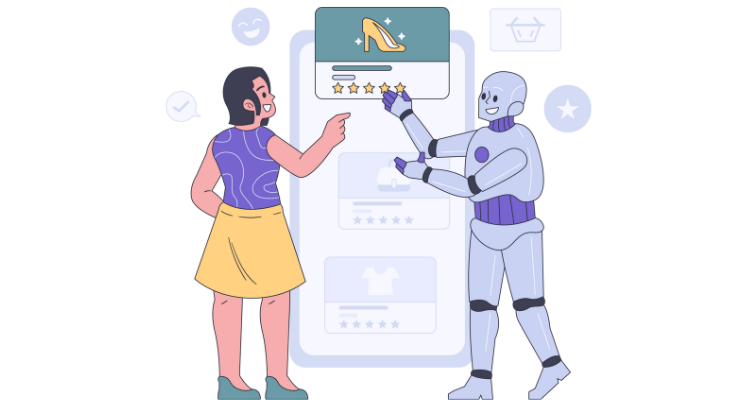
Let’s face it: shopping has evolved so much in the last few years. Remember when you’d have to roam around stores, hunting for the perfect product? In today’s world, AI tools have stepped in to redefine the experience entirely—making it smoother, smarter, and way more personalized.
What Are AI Tools Doing for Shopping?
The magic of artificial intelligence lies in its ability to understand YOU, your preferences, habits, and even the things you didn’t know you’d love. AI tools help ecommerce platforms and retailers recommend products, provide tailored discounts, and even curate entire shopping experiences based on our past behavior. It’s like having a virtual shopping assistant who actually gets your style, budget, and taste.
Why Does It Matter?
Personalized shopping is no longer just a “nice to have”; it’s becoming a necessity. Businesses that don’t embrace AI tools are at risk of falling behind. Think about your own shopping habits, how nice is it when the “Recommended Products” section of a website actually shows you things you need (or at least, desperately want)? By enhancing personalization, AI has made online shopping faster, more enjoyable, and way less overwhelming.
Examples of AI Tools in Action
- Machine Learning Algorithms: These are the brains behind personalized product recommendations. For instance, platforms like Amazon and Netflix use them to suggest items based on what others with similar tastes have purchased or liked.
- Chatbots: Ever used those little chat widgets that pop up as you browse online? They’re powered by AI and can guide you through the buying process, answer questions, and provide support 24/7. It’s like having a customer service agent at your fingertips.
- Visual Search: Tools like Pinterest Lens allow you to upload or scan images and instantly find similar products online. It’s such a cool way to shop when you’re inspired by a random outfit or piece of decor.
- Dynamic Pricing: AI can analyze market trends and your shopping patterns to adjust prices dynamically. While this might sound intimidating, it ensures you get competitive rates tailored just for you.
Tips for Savvy Shoppers
If you’re as excited about this tech as we are, here are some tips to make the most of it:
- Sign up for newsletters, AI tools use these to send you discounts and personalized offers based on your browsing history.
- Don’t shy away from chatbots. They’re getting incredibly efficient at providing relevant suggestions and support.
- Experiment with visual search. You’ll be surprised at just how specific and handy it can be for finding exact items.
II. Social Commerce Redefining “Window Shopping”

Remember the days of traditional window shopping, wandering around with friends, peeking into beautifully arranged store displays, and daydreaming about all the things you’d love to take home?
Well, social commerce is the new-age version of that, but instead of strolling through shopping streets, we’re now scrolling through our favorite social media feeds.
From Instagram Shops to the rise of the WhatsApp eCommerce store, brands are turning conversations and content into instant buying experiences, right inside the apps people use daily.
What is Social Commerce?
At its core, social commerce is the process of buying and selling products directly on social media platforms. You’ve probably seen it in action: Instagram posts with “Shop Now” links, Pinterest boards leading straight to checkout, or TikTok influencers showcasing “must-have” gadgets with links just a tap away.
Social commerce is where social media and e-commerce collide, creating an effortless shopping experience that feels almost like magic, something that can be further enhanced by using a virtual phone number as a modern solution for enhancing e-commerce communication.
Window Shopping, But Make It Digital
Social platforms have turned casual browsing into interactive experiences. Instead of walking past a store window, platforms like Instagram, TikTok, or even Facebook “display” products to you through tailored ads, influencer collaborations, live-stream sales, and user-generated content. This digital showcase isn’t just visually engaging, it’s curated specifically for you, thanks to algorithms that track your likes, clicks, and shopping behavior. Creepy? Maybe a little. Convenient? Absolutely.
What Makes it So Powerful?
Social commerce is booming because it integrates discovery, engagement, and purchase all in one seamless loop. Let’s break it down:
- Frictionless Experience: Scroll, see, shop… all without leaving your favorite app. Platforms like Instagram and TikTok now allow purchases without requiring users to open another website, streamlining everything.
- Authentic Recommendations: Shoppers often trust friends and influencers more than traditional ads. Social commerce leverages reviews, testimonials, and real-life demonstrations to drive purchases in a way that feels more genuine.
- Community Involvement: Comment threads, shares, and tags create a sense of community, encouraging users to discuss, recommend, or question products. This makes shopping feel less transactional and more engaging.
- Visual Appeal: We eat with our eyes, and shopping isn’t much different. High-quality visuals and videos allow customers to picture the item in their lives, whether it’s a new outfit, home gadget, or skincare tool.
Live Shopping: Social Commerce’s Star Player
Ever seen a live-streamed shopping event? It’s like QVC, but cooler, faster-paced, and happening on your phone. Platforms like TikTok and Facebook have embraced live streaming as a way to give people a dynamic, “real-time” shopping experience. You can see products in action, ask questions, and grab exclusive deals—all before the live event wraps up.
Pro tip: Join these streams early! Limited-time deals tend to fly off “shelves” in minutes.
For Businesses: Should You Dive Into Social Commerce?
If you’re a business owner, it’s high time to consider integrating social commerce into your strategy. It’s not just a trend, it’s quickly becoming an essential for brands looking to reach younger, digitally-savvy audiences. Here are a few tips to get started:
- Pick the Right Platforms: Research where your target audience spends their time. Are they browsing TikTok videos, or pinning ideas on Pinterest?
- Invest in Visual Content: High-quality photos and videos are your golden ticket—keep them authentic, relatable, and engaging.
- Collaborate: Partner with micro-influencers or creators who align with your brand voice. Their audience trusts them, which builds instant credibility for your product. SARAL provides a powerful platform to discover and connect with these influencers, making your marketing efforts more efficient.
- Be Personal and Interactive: Engage with your audience. Reply to their comments, ask questions, and make the shopping experience feel less robotic and more interactive.
III. Subscription-Based Models Changing Customer Loyalty
Let’s talk subscriptions! From Netflix to meal kit deliveries, subscription services are booming—and not just for entertainment and lifestyle anymore. In the world of retail, subscription-based models are transforming the shopping experience and redefining how businesses foster customer loyalty.
They’re more than just recurring payments; they offer value, convenience, and personalization, creating a win-win relationship between brands and consumers.
Why Are Subscription Models So Popular?
There’s a lot to love about subscriptions. For customers, they make life simpler by eliminating the hassle of repeated purchases or decision-making. For businesses, these models ensure predictable revenue streams and long-term customer engagement. Here’s a quick rundown of what makes subscription services so appealing:
- Convenience: Life is busy. Subscriptions deliver products and services directly to customers’ doorsteps on a schedule they choose. Less effort, more ease.
- Personalization: Many subscription services offer tailored options based on customer preferences, making every delivery feel unique and thoughtful.
- Cost Savings: Bundling products into subscription packages often reduces the per-item cost, which appeals to frugal shoppers.
- Discovery of New Products: Who doesn’t love a good surprise? Curated subscription boxes introduce customers to items they might not pick on their own.
Building Brand Loyalty Through Subscriptions
Subscriptions are more than just a regular transaction, they’re a powerful tool for creating long-term customer relationships. Here’s how businesses leverage subscription models to nurture loyalty:
- Exclusive Member Perks: Subscribers often get access to discounts, free shipping, or early product releases. This exclusivity fosters a sense of belonging.
- Consistent Engagement: Regular deliveries keep customers in touch with the brand, ensuring it stays top-of-mind.
- Increased Lifetime Value (LTV): Rather than one-time purchases, customers who commit to subscriptions provide recurring revenue, making them more valuable over time.
- Emotional Connection: It’s not just about the product—it’s about how customers feel. Brands that provide curated, thoughtful experiences tap into positive emotions that build trust and connection.
Standout Examples of Subscription Models
Look around, and you’ll see how varied and innovative subscription services have become. Here are some standout categories adopting this model:
- Fashion and Beauty: Think Stitch Fix or Ipsy, brands offering personalized wardrobe selections or curated beauty products based on your unique style.
- Food and Beverage: From HelloFresh for meal kits to coffee subscription services, customers no longer need to decide what’s for dinner or how to stay caffeinated.
- Pet Products: BarkBox delivers monthly joy to pets (and their owners), keeping tails wagging and customer loyalty strong.
- Digital Subscriptions: Models like Microsoft 365 or Adobe Creative Cloud prove that physical products aren’t the only way to succeed with subscriptions.
Challenges and Opportunities
Of course, like any trend, implementing a subscription model comes with its own challenges. Customers can experience “subscription fatigue” if they’re bombarded by too many services. Businesses must ensure their offerings are genuinely valuable to keep audiences engaged. Additionally, seamless cancellation policies and transparent pricing play a key role in maintaining trust.
However, the possibilities are endless for companies that get it right. Subscription-based models can gleam insights into customer behavior, preferences, and buying trends, enabling hyper-personalized engagement strategies. It’s a potent approach to standing out in today’s competitive market.
Is a Subscription Model Right for Your Business?
If you’re a brand owner, now might be the perfect time to ask yourself this question. Do you have a product line or service that benefits from consistent use or monthly replenishment? Can you bundle together unique offerings to surprise and delight your customers regularly? If so, investing in a subscription model could not only help retain existing customers but also attract brand-new audiences.
IV. Voice Shopping: Revolutionizing Checkout Simplicity
Have you ever found yourself browsing online, tempted by a product, but the thought of whipping out your credit card and typing in those numbers feels like a chore? Or maybe you’re cooking dinner, your hands covered in flour, and suddenly remember you’re out of paper towels. Enter voice shopping, the game changer that’s redefining how we shop. Let’s explore how this seamless, hands-free approach is simplifying the checkout process like never before!
What Exactly Is Voice Shopping?
If you’re wondering what voice shopping actually entails, think about those “smart” friends in your home, like Alexa, Siri, or Google Assistant. Voice shopping allows you to browse and purchase products simply by saying commands out loud. For instance, with a quick “Alexa, order more coffee,” your favorite roast could be on its way to your doorstep without you lifting a finger. It’s all about convenience and speed.
Why Is Voice Shopping a Big Deal?
Let’s face it; life is busy. Whether you’re juggling work, family, hobbies, or the occasional Netflix binge, multitasking has become second nature. That’s why voice shopping resonates with so many people. Here’s how it’s shaking things up:
- Speedy Transactions: Voice shopping speeds up the purchasing process. Forget filling out billing details or fumbling around for your wallet. A simple command takes care of it all.
- Hands-Free Ease: No hands? No problem! Whether you’re driving, cooking, or simply lounging on the couch, voice shopping adapts to your lifestyle.
- Accessibility: For seniors or individuals with visual or physical disabilities, this technology levels the playing field, letting them shop effortlessly.
Dynamic Convenience Meets Smart Recommendations
In addition to its sheer convenience, voice shopping isn’t just about buying products quickly, it’s also becoming smarter by the day. Many voice assistants remember your shopping habits. Did you order almond milk last time? Your assistant might remind you to add it to your cart this time. This intelligent personalization makes shopping even more intuitive.
Challenges to Consider
As amazing as voice shopping is, no innovation is without its growing pains. Here are a couple of challenges to keep in mind:
- Limited Product Visibility: Unlike browsing on a screen, you can’t visually compare several options with voice shopping. Often, the assistant lists one or two best-matched products, which can restrict your choices.
- Privacy Concerns: Voice assistants rely on microphones to “listen” for your commands, raising privacy concerns for some users. Always be mindful of how much access you’re granting to these devices.
How to Make Voice Shopping Work for You
If voice shopping sounds like your cup of tea, here are a few tips to make the most out of it:
- Start Small: Begin with a simple purchase, like reordering a product you already love. This will help you get comfortable with the process.
- Check Settings: Take some time to explore customization settings. You may decide to enable purchase confirmations or set spending limits for extra security.
- Keep Up with Innovations: Voice-shopping platforms are constantly evolving. Watch for updates and features that could make your experience even better.
V. Augmented Reality Enhancing Product Visualization
Imagine this: you’re browsing for a new couch online, but you’re not entirely sure if the color or size will suit your living room. What if there was a way to “see” that couch in your actual space before buying it? That’s where augmented reality (AR) steps in to transform how we shop. Gone are the days of relying solely on product descriptions and static images, AR brings products to life, letting you interact with them in ways that were once unimaginable.
What Exactly Is Augmented Reality in Shopping?
In simple terms, AR merges the virtual and physical worlds by allowing you to overlay digital content onto your real surroundings using devices like smartphones, tablets, or AR glasses. When it comes to shopping, this technology enables consumers to visualize products in three dimensions, making online shopping feel as interactive as an in-store experience.
Why Is AR Shopping Such a Game-Changer?
Here’s the thing: buying something online can often feel like a gamble. You don’t get to physically inspect, touch, or try out the product before making a commitment. But AR bridges that gap, delivering an experience that’s not only engaging but also more reliable. Here’s why it’s a big deal:
- Minimized Purchase Uncertainty: Trying on virtual clothes or testing out furniture placement in your home helps buyers feel more confident in their selections.
- Fewer Returns: By allowing customers to visualize products accurately, AR reduces the mismatch between expectations and reality, leading to fewer product returns and improved customer satisfaction.
- Improved Accessibility: AR makes the try-before-you-buy concept accessible to people who may not have the means or time to visit physical stores.
- Fun and Interactive: Let’s face it, shopping with AR isn’t just practical; it’s downright fun! It turns the buying journey into an immersive experience rather than a chore.
AR in Action: Use Cases You’ll Love
So, how are brands actually using AR to improve our shopping experience? Let’s look at some real-world examples:
- Virtual Try-Ons: Want to see how those sunglasses look on you or what that lipstick shade will compliment your skin tone? Brands like Sephora and Warby Parker offer AR-powered virtual try-ons through their apps, saving you a trip to the store.
- Home Décor Previews: Companies like IKEA and Wayfair let you place 3D models of furniture in your room via AR. This ensures the color, size, and design match your space perfectly.
- Shoe Fittings: Even notoriously tough-to-buy items like sneakers can be tried on virtually, thanks to brands like Nike, which incorporates AR measurement tools to ensure the perfect fit.
How You Can Make the Most of AR Shopping
If you’re new to AR shopping, don’t worry, it’s incredibly straightforward. Most AR features are integrated into mobile apps or websites, often requiring nothing more than your smartphone’s camera. Here are some tips to get started:
- Explore Apps: Download retail apps from your favorite brands and see if they offer AR tools. Many companies prominently feature AR in their mobile shopping experiences.
- Check for Lighting: Good lighting improves how AR visuals interact with your surroundings, whether you’re trying on clothes or testing wall colors.
- Take Your Time: Use AR to experiment with different options before committing. Maybe that blue couch looks better than the gray one after all!
VI. Sustainability and Ethical Products Driving Preferences
Let’s talk about the incredible shift happening in the shopping world, shoppers today want more than just great deals; they want their purchases to matter. Sustainability and ethical products are no longer niche trends but powerful priorities shaping consumer preferences across industries. Whether you’re a brand or a buyer, this is an exciting, impactful movement you’ll want to embrace!
Why Sustainability Matters
Here’s the thing: today’s consumers, especially millennials and Gen Z, are hyper-aware of the environmental and social impacts of their choices. Climate change, waste, deforestation, and unethical labor practices are on many people’s minds, and they’re backing brands that take action. In fact, according to recent studies, 73% of global consumers say they’re willing to change their shopping habits to reduce their environmental impact. That’s huge, right?
For businesses, this means you’re not just selling a product; you’re selling your values. Transparent, eco-friendly practices are more than good business, they’re future-proofing your brand.
What Counts as Sustainable and Ethical?
If you’re wondering what defines “sustainable” and “ethical,” here’s a quick breakdown:
- Sustainable Practices: Reducing carbon footprints, using renewable resources, minimizing waste, and designing recyclable or biodegradable packaging.
- Ethical Practices: Supporting fair wages, ensuring safe working conditions, using cruelty-free and animal-friendly production processes, and sourcing materials responsibly.
Think of brands using organic cotton, recycling old plastic into stunning new products, or committing to “zero-waste” solutions. This is the type of innovation shoppers admire and actively seek!
How Companies Are Meeting the Demand
Many brands across industries are stepping up to the challenge. Let’s look at some practical ways companies are turning sustainability into a competitive edge:
- Eco-Friendly Materials: Sportswear giants like Adidas are creating shoes made from ocean plastics, and luxury names like Stella McCartney are embracing vegan leather alternatives.
- Recycled Packaging: Beauty brands such as Lush have pioneered reusable or package-free products, keeping single-use plastics out of the equation.
- Carbon-Neutral Goals: Tech companies like Apple are striving to make their entire supply chain carbon-neutral by 2030, setting an inspiring benchmark for other industries.
Tips for Shoppers Who Want to Go Green
If you’re a shopper eager to make eco-conscious choices, here are some simple ways to get started:
- Look for certifications like Fair Trade, Leaping Bunny (cruelty-free), or FSC (sustainable wood).
- Support local, small businesses—they often have shorter supply chains and produce lower emissions.
- Choose quality over quantity. Durable, timeless products reduce waste over time.
- Thrift and upcycle! Second-hand shopping can be a fun, sustainable way to refresh your closet or home without contributing to overproduction.
VII. Cross-Border Shopping as a New Norm
In today’s world, shopping knows no borders—literally! Thanks to the rapid evolution of e-commerce platforms, global logistics, and payment technologies, cross-border shopping has quickly turned into the new norm. Whether you’re sourcing trendy fashion from Italy, handcrafted décor from Japan, or high-tech gadgets from South Korea, the world is now a virtual mall. Let’s dive into why this phenomenon has exploded and how it’s reshaping the shopping experience.
What is Cross-Border Shopping?
Cross-border shopping refers to purchasing products from online retailers based outside of your home country. No longer restricted by geography, consumers now have the freedom to explore and buy from international businesses at the click of a button. With the rise of marketplaces like Amazon, Alibaba, and Etsy, finding goods from halfway across the globe and having them shipped straight to your door feels simpler than ever.
Why is Cross-Border Shopping Thriving?
The appeal of cross-border shopping boils down to a mix of reasons:
- Unique Products: Looking for a handbag no one else in your city has? Or maybe you’re craving that rare Swiss chocolate you fell in love with while traveling. Shopping across borders means access to unique and niche items not readily available locally.
- Competitive Pricing: Sometimes, the cost of goods, even with added shipping and taxes, can be lower abroad. Think tech gadgets from Asia or artisanal goods directly from the makers themselves. Why pay more when you don’t have to?
- Access to Global Trends: Thanks to cross-border shopping, you can stay ahead of the curve by snagging international trends before they hit your local market. You’ll be ahead of the game fashion-wise, tech-wise, and everything else-wise.
Challenges Shoppers Face (and How to Solve Them!)
While global shopping has its perks, it isn’t without hurdles. Don’t worry—there are ways to tackle them without breaking a sweat:
- Shipping Costs: International shipping can quickly add up. Look for retailers offering free or discounted shipping on minimum orders, or consider consolidating shipments if you’re buying from multiple stores in one country.
- Duty and Taxes: Be aware of additional charges like import duties. Many retailers provide cost calculators during checkout to help you estimate fees upfront.
- Delivery Times: Shipping overseas isn’t instant. If you’re in a time crunch, check for expedited options or shop closer to home (but still cross-border).
- Authenticity Concerns: Especially when buying from unfamiliar brands, check reviews, certifications, and seller ratings. Platforms that highlight verified suppliers can help you shop with confidence.
How Retailers are Embracing the Cross-Border Shopping Trend
Of course, retailers are keeping up with the demand for seamless global shopping experiences. Many have introduced localized websites in multiple languages, currencies, and payment options. Others partner with logistic companies to simplify international shipping. Some even offer 24/7 customer support across timezones. These efforts make global shopping almost as easy as shopping locally.
Pro Tip: Be a Smart Global Shopper
While cross-border shopping is exciting, it’s a good idea to shop smart. Always research sellers, double-check refund policies, and read the fine print on shipping terms. Apps and tools like currency converters or duty calculators can be your best friend when navigating the process.
The World is Your Storefront
So, there you have it—cross-border shopping is here, and it’s not going anywhere. It’s a vibrant, exciting way for shoppers to experience the diversity and creativity of the global marketplace. Whether you’re a treasure hunter seeking rare finds or simply love exploring trends from different cultures, international e-commerce is opening doors that once seemed impossible. Happy global shopping!