In modern retail, data is the new currency. Every purchase, every click, every abandoned cart tells a story. Retailers who know how to interpret that story can transform it into measurable success.
Data analytics gives them the tools to do just that, to read customer behavior, identify sales trends, and predict what’s coming next.
According to McKinsey, companies that use analytics effectively are 23 times more likely to outperform competitors in customer acquisition. Numbers are not just numbers anymore; they are the foundation of Retail growth.

Understanding Data Analytics in Retail
Picture walking into a store where every hanger, shelf, and price tag already knows what you like. Retail data analytics is the invisible engine crunching millions of tiny clues, like which jeans sat too long in the fitting room or which cough drops jump off the shelves when it rains, to shape those spot-on experiences and prices.
Grab the data, tidy it, crunch it, boom, you’ve got a clear path to picks that grow sales instead of gut feelings. Each swipe, click, or tap quietly writes a new line in the growing digital ledger. Data floods in from every loyalty code you scan, every survey you fill, every scroll you make, adding up fast.
Pretty soon that inbox ping paints a near picture-perfect collage of what tickles you into action versus what puts you to sleep. Retailers use this data to answer critical questions:
- What products are selling the fastest?
- Which stores are underperforming?
- How do discounts impact customer loyalty?
Data slaps wishy-washy claims aside, straight numbers, clear proof, kind of gorgeous. Shelf stocking isn’t a Vegas bet anymore; cameras, cards, and codes feed the playbook. They spot what shoppers will want next, tweak the price tag on the fly, and fine-tune ads with real numbers that don’t lie.
Target ran the numbers, spotted who was pregnant before the diaper aisle did, and, boom, response to their coupon blasts leapt close to 30%. You don’t need magic, just clean facts and a little curiosity.
Turning Data into Strategy
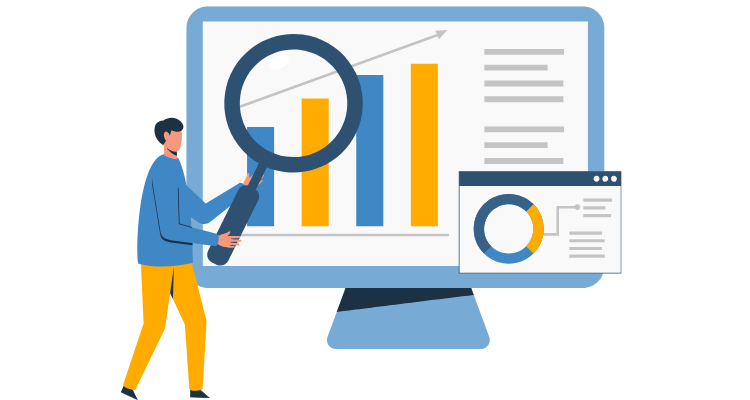
Raw numbers sit there like pennies in a jar until someone spends them on smart moves. Without tactics a goal slouches; strategy grabs the handle. Raw digits are sleepy giants, wake them up and watch them work.
Analytics tools turn raw numbers into living pictures, dashboards pulse, heatmaps glow, so sudden gaps light up like neon signs.
A retailer might discover that sales of a particular product spike every Friday evening, a clue that can lead to better inventory management and targeted advertising.
Data-driven decision-making also reduces waste. Inventory that sits unsold for months is not just space-consuming; it’s capital frozen in time.
By tracking patterns, retailers can forecast demand more accurately and reduce overstock by up to 20%. When decisions are backed by analytics, every shelf, every product, and every dollar starts working more efficiently.
Personalization: The Heart of Modern Retail
Cheap can grab heads, but quick, warm follow-through grabs wallets every time. They want experiences tailored to them. Data Analytics makes personalization possible on a massive scale. They watch carts, clicks, and bedtime splurges, then fire off deals so spot-on you swear your phone’s been eavesdropping.
Think Amazon. They credit the recommendation engine for close to thirty-five percent of their cash register rings, swipe, click, sold. Little bookshops mail “just-back-in” notes and hand out paper bookmarks.
Repeat buyers love it, receipts pile up. Data reveals what each customer values most, convenience, price, or brand loyalty, allowing businesses to respond accordingly. This level of customization builds trust and drives long-term retail growth.
Predictive Analytics and Future Trends
Retailers no longer look only backward. With predictive analytics, they can peek around tomorrow’s corner before anyone else.
If the algorithm spots a micro-trend, like Gen-Z suddenly layering polka-dot bucket hats, it flags warehouses, so stock arrives the same minute the craze explodes, not after. Fashion stores peek at Instagram hearts or last year’s receipts to guess if we’ll all want lavender next fall.
Smart grocers circle the holidays on the calendar and double-up on cranberry sauce, pumpkin filling, and fireworks six weeks early so they don’t sweat empty shelves when carts explode through checkout.
According to Statista, 60% of global retailers now rely on predictive analytics to improve demand forecasting and supply chain planning. This reduces both shortages and surpluses, keeping shelves stocked with what customers actually want. Predictive tools also support smarter pricing, knowing when to raise or lower prices to balance profit and demand.
Math Solvers in Retail Analytics
Behind every smart forecast lies mathematics. Many retail analytics platforms integrate algebra problem solvers, tools designed to handle complex calculations quickly and accurately.
Math AI solvers process statistical models, regression analyses, and optimization formulas to find the best possible outcomes. In retail, a math solver might help determine the ideal discount rate that maximizes revenue without reducing brand value, or calculate how changes in customer traffic affect conversion rates.
Think of it as a pocket-calculator ninja: you see pie charts, it kicks out thousands of tiny math stars you never notice. It transforms raw equations into clear, actionable insights, allowing managers, even without advanced math skills, to make confident, data-backed decisions.
Challenges in Data Analytics
Data doesn’t fake smiles. One loose comma and your tidy chart spits “N/A” instead of glory. Clean records crash into messy software, software sulks next to picky privacy rules, repeat next morning.
When information is collected from multiple sources, in-store, online, social media, inconsistencies can appear. Sketchy stats send good ideas racing down the wrong road, fast. Plus, if you’re hoarding mountains of data, lock it down tight and play by every privacy rule on the books.
Then there’s us, seeing the same thing ten different ways before lunch. Even the best analytics tools depend on skilled professionals who can read and understand their output. Train people first; odds are the returns will match-or even beat-what you’d get from a brand-new software license.
Data-Driven Success Stories
Successful retailers provide strong proof of analytics’ impact. Picture this: every sixty minutes, Walmart’s computers chew through 2.5 petabytes, enough info to cram every photo on Facebook twice. Live numbers pop up, so you nudge prices, refill shelves, or flash a coupon before the coffee gets cold. See what happened? Ship faster, toss less, pocket billions.
Smaller businesses benefit too. They pull yesterday’s totals, match them to Instagram tags, and-boom-mark down the bucket hats because only dads were biting. They know you’re night-snacking, digital receipts scream chocolate, so watch them nudge candy closer to the freezer door next visit.
Small change, huge candy haul. Whether large or small, the pattern is the same: Think about it, people who pause and look at what’s working sprint ahead while the rest stay stuck.
The Road Ahead
Retail’s future is simple: know your shopper before they swipe, and tech keeps sharpening that edge. Picture a buddy who never forgets a pattern; that’s AI, handing you tomorrow’s headlines today. Monthly reports? They’re yesterday’s newspaper.
Live numbers on your screen beat a stapled stack of charts every single time. Tomorrow’s shops spot what’s cool early, stock it first, and watch customers walk in already excited. Brains beat bulk. The podium goes to whoever can tease the sharpest move from a mountain of numbers, not to the team sitting on the biggest pile.
Retail Growth in the next decade will depend on how seamlessly businesses can merge human creativity with analytical precision. The winners of tomorrow aren’t the bean-counters; they’re the dreamers who spot the stories hidden behind every spreadsheet cell. customers, choices, and opportunities waiting to be discovered.