The way we connect to mobile networks is changing fast. For decades, physical SIM cards have been our gateway to communication, but in 2026, a new standard is taking the lead, eSIM technology.
From smartphones and smartwatches to laptops and IoT devices, eSIMs are reshaping connectivity by replacing plastic cards with a fully digital solution.
What makes this shift so important? Beyond saving space inside devices, eSIMs bring unmatched convenience, better security, eco-friendly benefits, and global flexibility for both individuals and businesses.
I. The Shift from Physical SIMs to eSIM: What Truly Sets Them Apart
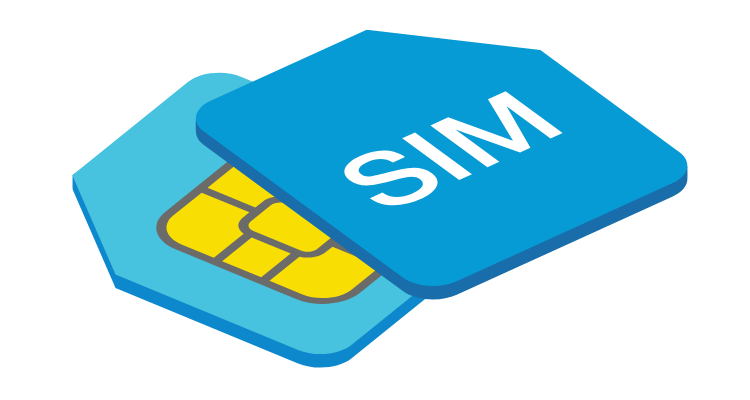
Let’s talk about something that’s quietly revolutionizing how we stay connected, eSIM technology. Smartphones, smartwatches, and IoT devices alike are taking a step forward by ditching traditional physical SIM cards in favor of the sleek, efficient eSIM. But you might wonder: what’s so special about these innovative little tech wonders, and why are they becoming a hot topic for 2026?
First things first, let’s define the obvious. For decades, we’ve relied on classic physical SIM cards, those tiny chips we’d pop into our phones whenever we needed to switch devices or carrier plans. While they’ve served us well, the shift toward eSIMs is eliminating their limitations, and in doing so, unlocking exciting new possibilities.
Size Matters: Shrinking Technology, Expanding Potential
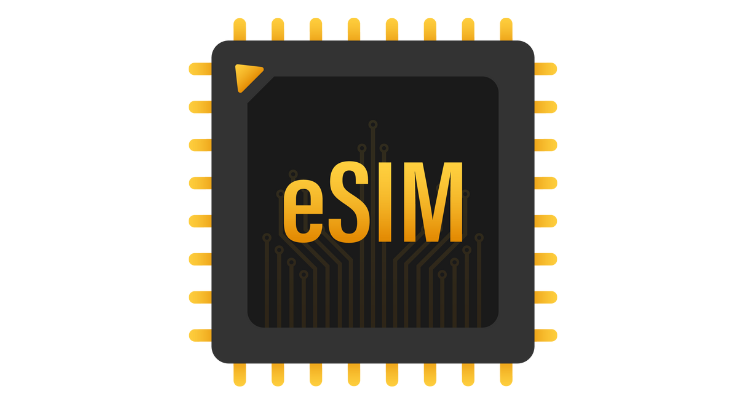
One of the most immediate and visible differences between eSIMs and physical SIMs is space. An eSIM isn’t a removable chip but a small, rewritable chip embedded directly into your device’s motherboard. By going fully digital, device manufacturers can save valuable space within gadgets.
Now, companies can use that space for bigger batteries, better cameras, or just sleeker and thinner designs. Smartwatches are a great example; without traditional SIM card trays, they’re smaller, lighter, and still packed with incredible functionality.
No More SIM Swapping
eSIMs are not just about saving space. They’re also designed for ultimate convenience and flexibility. With a physical SIM, the process of switching to a new smartphone or carrier often involves digging around for a SIM card ejector pin (or, let’s be real, using a paperclip), swapping cards, and sometimes waiting for activation. With an eSIM, that hassle disappears.
Switching carriers or plans happens virtually—straight from your phone’s settings. Want to try out a temporary international data plan while traveling? You can download and activate it in minutes, without hunting down local SIM cards. It’s especially handy for frequent travelers or people juggling multiple numbers.
Eco-Friendly Connectivity
Aside from convenience, eSIM technology is also more eco-friendly. Think about the sheer number of plastic SIM cards that get discarded every year. eSIMs remove the need for that additional material altogether. By cutting down on waste and eliminating the production of millions of plastic SIM trays, eSIMs are a small, but meaningful, contribution to a more sustainable future in tech.
Carriers and Control: A Balancing Act
Here’s an interesting point to chew on: the digital nature of eSIMs grants you, the end-user, more control, but it also places greater reliance on carrier compatibility. While the tech world is largely embracing eSIMs, some carriers haven’t yet caught up. However, with major companies like Apple fully adopting eSIM-only phones, the pressure is on for slower-moving providers to quickly align with the trend.
II. How eSIM Architecture is Simplifying Global Connectivity
Imagine traveling to any corner of the globe without worrying about buying a local SIM card or fiddling with phone settings. Sounds like a dream, right? That’s the transformative promise of eSIM technology.
At its heart, eSIM architecture is designed to make global connectivity seamless, hassle-free, and downright simple. Let’s talk about why this matters and how it’s revolutionizing how we stay connected.
Understanding eSIM Architecture: A Game-Changer in Connectivity
So, what exactly makes eSIM so special at an architectural level? Unlike traditional SIM cards (those tiny chips we’ve all struggled to fit into our devices), eSIMs are embedded directly into your device’s hardware. No physical swapping is required—it’s all about software. This built-in architecture eliminates the need for physical cards while enabling remote and instant activation of mobile services.
What makes it even cooler is the fact that eSIMs sit at the intersection of simplicity and sophistication. The tiny embedded module houses all the functionality of traditional SIMs but operates using something called remote SIM provisioning (RSP). This tech allows you to switch between carriers with a few taps on your device—yes, no more lengthy customer service calls or tedious trips to mobile stores.
Why “Global” Connectivity Matters
Picture this: A business executive lands in Tokyo for a conference, pulls out their phone, and is instantly connected to a local carrier. Or think about an adventure traveler trekking through Europe who can change networks without carrying multiple SIM cards. That’s eSIM in action. It’s not just about ease; it’s about reducing barriers to staying connected—whether you’re across the country or halfway across the planet.
International eSIM architecture is particularly built for a world that is constantly on the move. By enabling seamless network switches through software, it removes the frustrations of dealing with roaming charges or compatibility issues. For instance, many laptops, tablets, and even smartwatches now come eSIM-ready, ensuring instant connectivity at the press of a button.
Perks for Users and Network Operators
- For Users: The benefits are obvious—flexibility, convenience, and cost savings. You can shop for the best data plans without needing to physically replace cards, making it easier to find deals that suit your needs, especially in unfamiliar countries.
- For Network Operators: eSIMs streamline logistics. Think about it—no need for warehouses full of SIM cards or distribution networks. Plus, it encourages users to experiment with plans without the perceived hassle of switching. It’s a win-win!
A Boon for Digital Nomads and Global Businesses
While eSIM architecture has applications for the everyday consumer, the opportunities it opens up for global businesses are monumental. From enabling international teams to effortlessly stay connected, to making tech-driven businesses like ridesharing and logistics more efficient, eSIM is rewriting the rules for how industries operate.
Consider how large organizations managing multiple countries will soon be able to maintain single-device hardware without worrying about swapping local SIMs for each location. It’s an architecture custom-built for global scalability.
III. Security Enhancements in eSIMs: The Next Frontier
As we venture further into the digital age, the importance of security for connected devices is more vital than ever. With the arrival of eSIMs, there’s an opportunity to revolutionize how we think about mobile security. Let’s explore how eSIMs are raising the bar when it comes to protecting users and devices, and why this technology is more than just a convenience—it’s a fortress for your data.
What Makes eSIMs More Secure?
Traditional physical SIM cards have served us well for decades, but they come with certain vulnerabilities. They’re small, easy to lose, and physical tampering with them is always a risk. eSIMs, on the other hand, have changed the game. Built directly into your device, they eliminate the risk of being swapped, duplicated, or stolen.
eSIM technology introduces:
- Embedded encryption: Data stored on an eSIM chip is cryptographically secured, making it nearly impossible for malicious actors to intercept or alter.
- Remote provisioning: Because eSIM profiles are downloaded digitally and can be managed remotely, there’s less risk of handling sensitive information during activation or switching networks.
- Anti-theft capabilities: Losing a physical card could mean compromising your data. With eSIMs, the risk is minimized since they’re built into the hardware and can be locked or erased remotely.
The Role of Advanced Technologies
One of the reasons eSIMs are such a secure innovation is their reliance on robust systems and new technologies designed to safeguard users. Standards from the GSMA (Global System for Mobile Communications Association), which oversees global telecommunication protocols, ensure that eSIMs comply with strict security requirements. Features like:
- Secure Boot: A method that ensures software updates and activation remain safe from attacks.
- End-to-End Encryption: Communication between your device and mobile networks is shielded against eavesdropping.
- Tamper-Resistant Hardware: The eSIM chip itself is engineered to resist attempts at physical hacking.
These features not only protect the user but also gain trust with businesses and industries relying on secure communication networks.
What Does This Mean for Consumers?
For everyday users, this heightened security transforms their relationship with their mobile and connected devices. Gone are the days of worrying about SIM card theft or data interception during a SIM swap. For instance:
- Frequent travelers can switch between mobile carriers without the hassle or risk of physically swapping SIM cards.
- Connected wearables, such as smartwatches or fitness trackers, can perform on par with smartphones while maintaining the same level of security.
- In emergencies, the ability to remotely lock or deactivate a device with an eSIM adds an extra layer of safety.
Future Implications for Security
As more industries adopt eSIMs—think healthcare devices, automotive IoT platforms, or smart home systems, the demand for ironclad security will only grow. It’s not just about protecting personal data anymore; it’s about securing entire ecosystems.
The next few years will see innovation in how eSIMs integrate with technologies like blockchain and multi-factor authentication tools to create even more robust systems.
IV. The Role of eSIMs in Supporting IoT Expansion
The Internet of Things (IoT) is revolutionizing how we live and work, and at the heart of it all lies connectivity. From smart thermostats that track energy usage to autonomous vehicles that talk to each other on the road, IoT devices rely on seamless connections to function effectively. This is exactly where eSIM technology comes in—and it’s bringing big changes to the IoT landscape.
Why eSIMs are a Game Changer for IoT
IoT devices require uninterrupted connectivity to perform their tasks, whether it’s a smartwatch sending health data to your phone or industrial sensors monitoring equipment across distant sites.
But let’s be honest, relying on physical SIM cards for this isn’t ideal. Inserting SIM cards into devices that are often small, ruggedized, or hard to access (think remote sensors or wearables) can be a logistical nightmare. Here’s where eSIMs shine.
Unlike traditional SIM cards, eSIMs are embedded directly into devices. They’re programmable remotely, making it infinitely easier to connect devices to networks without touching a physical SIM.
This flexibility is especially critical in the IoT world, where scalability is key. Imagine having to update SIM cards for thousands of connected devices worldwide. With eSIMs, all you need is an over-the-air update. However, managing connectivity for such vast IoT deployments also introduces financial and administrative challenges. That’s why many organizations partner with telecom expense management companies to monitor carrier usage, control data costs, and streamline billing across multiple global networks.
More Devices, Fewer Headaches
One of the biggest advantages of eSIM technology for IoT is its ability to support multiple mobile network operators (MNOs) seamlessly. IoT devices often move across regions or countries, like when freight trucks equipped with GPS trackers cross borders.
Traditional SIM cards would require swapping for local connectivity, an impractical solution. eSIMs solve this by allowing devices to switch between carrier networks automatically, without physical changes.
Furthermore, this convenience isn’t just about mobility. For businesses deploying vast IoT networks, eSIMs dramatically reduce logistical challenges.
You’ll no longer deal with managing warehouses full of pre-programmed SIM cards or worry about lost or damaged ones. It’s a simpler, more streamlined solution for scaling up efficiently.
Beyond Convenience: eSIMs Enable Smarter IoT Solutions
Here’s another exciting angle: eSIMs are central to creating more dynamically responsive IoT ecosystems. Because they allow remote provisioning and management, businesses gain greater control over connectivity. Let’s say you need to shift providers midway through a project to get improved 5G coverage. eSIMs free you from being locked into one specific provider, giving your IoT devices the adaptability to keep pace with your needs.
Plus, as IoT evolves and networks grow more sophisticated, eSIMs enhance the integration of connected devices. For instance, next-generation smart cities—think connected cars, utilities, and public infrastructure—will likely depend on eSIM technology to enable cohesive, efficient communication between millions of devices.
Ushering in a New Era of IoT
The IoT sector’s rapid expansion shows no signs of slowing, and eSIM technology will play a pivotal role in ensuring its success. As IoT use cases become increasingly diverse—from agriculture to healthcare to logistics—eSIMs will empower this growth by providing robust, scalable, and flexible connectivity solutions.
- Businesses benefit from reduced costs and simplified logistics.
- Consumers enjoy smarter, more reliable devices.
- Innovators unlock new possibilities with flexible connectivity options.
V. Marketing eSIM Technology: Strategies Leading the Charge
Welcome to the fascinating world of eSIM technology marketing, an emerging frontier where innovation meets creativity! As we navigate through 2026, eSIMs are revolutionizing the way we connect and communicate, opening up incredible opportunities for marketers to educate, engage, and inspire audiences globally.
Whether you’re a business leader, a telecom provider, or just a tech enthusiast, understanding the strategies behind eSIM marketing can help you recognize how this transformative tech reaches users where it matters most.
What Makes Marketing eSIMs Unique?
Unlike traditional SIM cards, eSIMs come with a whole new set of customer benefits, think enhanced flexibility, simplified processes for switching providers, and borderless connectivity! These features aren’t just technical upgrades; they’re lifestyle changing advances that call for a fresh marketing approach.
Unlike promoting physical gadgets, marketing eSIM technology requires brands to focus on intangibles like convenience, adaptability, and the seamless customer experience.
This often means making the complex world of connectivity feel simple and relatable, a challenge that today’s leading marketers embrace with creativity and precision. It’s not about *just* selling a feature; it’s about selling a vision of a better-connected future.
Key Strategies Powering the eSIM Marketing Revolution
Here are a few proven strategies that industry leaders are using to spread the word about eSIM technology:
- Focusing on Education: Let’s face it—eSIMs can be a bit of a mystery for the average user. Explaining how eSIMs work and showing potential users just how simple and beneficial they are (without overwhelming them with technical jargon) is an essential first step. Educational videos, tutorials, and FAQs are powerful tools in breaking down these barriers.
- Highlighting Real-Life Scenarios: From effortless switching between regional carriers while traveling to enabling all those shiny IoT devices around your smart home, real-world examples help customers envision eSIMs improving their lifestyles. Storytelling, especially through social media or testimonials, adds a human touch.
- Collaborations and Co-Branding: Teaming up with device manufacturers or popular telecom providers is a brilliant way to leverage existing trust and reach broader audiences. Think Apple or Samsung showcasing eSIM compatibility—the message resonates because it’s familiar and authoritative.
- The Value of Sustainability: eSIM technology eliminates the need for millions of physical SIM cards, reducing plastic waste. Marketers are tapping into this environmentally conscious angle, capitalizing on a growing trend of eco-friendly consumerism.
- Targeting Niche Markets: Business professionals, jet-setting travelers, and tech lovers are all prime candidates for eSIM adoption. Tailoring campaigns for specific groups, such as offering business-friendly international data plans, adds personalized value and sharpens relevance.
Embracing Digital Platforms to Maximize Reach
Marketing eSIM technology today almost exclusively thrives on digital platforms. Social media, targeted email campaigns, influencer partnerships, and even immersive experiences like augmented reality (AR) try-ons are incredibly effective in building awareness and driving adoption. The goal? To meet tech-savvy clients where they are while offering a sleek, effortless onboarding experience.
What’s Next in eSIM Marketing Trends?
As more people discover eSIMs, expect to see bold campaigns backed by AI-driven personalization. That means tailored customer journeys, smarter recommendations, and predictive analytics shaping marketing efforts to make the adoption experience smoother than ever.
On top of that, 2026 might just bring some unexpected twists—interactive 5G-enabled demos or even gamified experiences showcasing eSIM benefits in action!
VI. eSIM Adoption Across Sectors: Challenges and Opportunities
Let’s talk about something that’s quietly reshaping the tech landscape – eSIM adoption across various sectors. While you might associate eSIMs with fancy new smartphones, their reach goes far beyond just upgrading your mobile device.
But this significant shift comes with its own set of hurdles and, of course, exciting opportunities! Allow me to walk you through how this technology is impacting industries far and wide, and what challenges need untangling along the way.
So, what sectors are we talking about?
When we think about eSIM technology, it’s almost natural to focus on consumer electronics like smartphones, tablets, and wearables. But here’s the real revelation: eSIMs are making waves across many industries, from transportation and logistics to healthcare and beyond. Here’s a quick breakdown:
- Automotive: Think about connected cars and autonomous vehicles. With eSIMs, manufacturers can easily switch network providers for seamless connectivity across countries. Plus, features like in-car navigation and over-the-air updates are boosted thanks to this tech.
- IoT and Smart Devices: For the Internet of Things (IoT) ecosystem, eSIMs are a godsend. Whether it’s smart agriculture sensors, smart homes, or industrial IoT (IIoT) setups, eSIMs allow devices to stay connected without fiddling with physical cards.
- Travel and Tourism: For frequent travelers, eSIMs are bridging gaps. They can instantly switch to a local network in a new country without the trouble of buying and swapping SIM cards. Companies in this sector are keeping their eyes peeled for such convenient innovations.
- Healthcare: Imagine medical wearables with global connectivity, ensuring patients, doctors, and service providers stay in sync wherever they are. eSIM-enabled healthcare monitoring systems are setting a new standard for patient care.
Challenges on the horizon
Of course, no game-changing technology comes without its share of growing pains. eSIM adoption, while promising, faces a few speed bumps:
- Compatibility Issues: Not all devices and telecom operators across the globe are fully equipped to handle eSIMs. This creates fragmentation in adoption rates and the customer experience.
- Cost and Complexity for Businesses: Companies transitioning to eSIM tech must invest in software, partnerships, and new logistics. Smaller players might find the upfront costs daunting.
- Consumer Awareness: Let’s face it – many people, even in tech-savvy societies, are still unfamiliar with how eSIMs work. Educating end-users remains an uphill task.
- Regulation and Privacy Concerns: eSIMs in IoT devices may raise questions around data sovereignty and security compliance across regions.
The bright side: Opportunities galore!
Here’s the exciting part. The move toward eSIMs also unlocks a world of possibilities:
- Scalability: For businesses managing thousands of IoT devices, managing physical SIM cards is a logistical nightmare. eSIMs simplify this by enabling remote provisioning and management.
- Eco-friendliness: This is a win for sustainability. By phasing out physical SIM cards, companies can reduce plastic waste and carbon emissions tied to manufacturing and shipping.
- Seamless Cross-Border Connectivity: Whether for global enterprises or solo travelers, eSIMs blur the boundaries between countries and carriers, simplifying access to mobile networks worldwide.
- Future-Proofing Technology: Industries investing in eSIM solutions are setting themselves up to stay ahead of the curve, especially in an IoT-driven future.
VII. Predictions for eSIM Technology Growth by 2026
Imagine a world where switching mobile carriers is as easy as clicking a button. That’s not some far-off future, it’s the promise of eSIM technology by 2026! With rapid advancements, eSIM is projected to redefine how we connect with the world, and the growth in this space over the next few years is nothing short of groundbreaking. Let’s dive into what experts anticipate will shape the evolution of eSIMs by 2026.
The Momentum Gathers Pace
By 2026, eSIM adoption is expected to skyrocket. One primary driver for this surge is the increasing availability of devices equipped with eSIM capability. From smartphones and tablets to wearables and laptops, manufacturers are going all-in with eSIM support.
According to analysts, global shipments of eSIM-supported devices could exceed a staggering 3 billion units within the next couple of years. Now that’s exponential growth!
Additionally, mobile network operators worldwide are ramping up efforts to fully integrate eSIM into their services. This ensures that users receive seamless connectivity while businesses benefit from streamlined logistics. And let’s be honest, who wouldn’t want to avoid the hassle of fumbling with a tiny SIM card?
Industries Reimagined
It’s not just individual consumers who will see the benefits. Entire industries are poised for transformation, as eSIM technology expands into new sectors:
- Automotive: Think of vehicles that connect instantly to global networks, with no location-based restrictions for infotainment systems, navigation, or remote diagnostics.
- Healthcare: eSIM-enabled wearable devices will provide real-time patient monitoring, capable of sharing crucial data with doctors worldwide.
- IoT & Smart Cities: From connected security cameras to smart energy systems, eSIM tech will fuel the next phase of IoT innovations. No wires? No problem!
By 2026, this deep integration into various industries may see eSIM collaborations triggering an unprecedented IoT boom. And let’s not undervalue the cost efficiency this streamlining offers businesses, boosting the bottom line and fostering innovation.
Improved Consumer Experience
Here’s the best part for everyday users: eSIM tech will likely bring far more control and flexibility. Gone are the days of being locked into long-term contracts or standing in lines just to change your carrier. By 2026, most consumers will be switching between carriers digitally, directly through their phone settings or an app. Talk about convenience!
What’s more, with businesses competing hard in this dynamic space, prices for connectivity plans are expected to drop, providing users with smarter, budget-friendly options. This is the kind of win that both tech enthusiasts and casual users can toast to, figuratively or literally, we won’t judge.
A Final Word: The Road Ahead
The sky’s the limit for eSIM technology! By 2026, we’re looking at a future where connecting devices, whether it’s your smartwatch, car, or even your home refrigerator, is seamless and intuitive. One thing’s clear: eSIM is not just a passing trend. It’s becoming the backbone of modern connectivity.
As eSIM continues to gain traction, businesses, governments, and individuals alike need to stay ahead of the curve. Whether you’re casually brainstorming new eSIM-enabled gadgets or running a business relying on connectivity, now is the time to embrace this game-changing technology. After all, there’s beauty in simple, efficient, and boundary-free communication.