
You‘ve probably landed on a website that looked completely different from the Instagram ad you clicked on. Different colors, different fonts, maybe even a different vibe. What did you do? If you‘re like most people, you bounced.
That confusion costs businesses real money. When your brand looks and sounds the same everywhere (your website, emails, social media, ads, etc.), people trust you more. They remember you. And they buy from you. Even studies confirm that consistent branding can boost revenue by 10-20%.
Think about the brands you trust most. They don‘t reinvent themselves every time you see them. You recognize their colors instantly. You know their voice. That familiarity makes you feel safe handing over your credit card.
In the following sections, we‘ll break down how brand consistency works, why it matters for conversions, and what you can do to get it right.
Match Your Message to Your Audience‘s Needs
Your brand stays consistent when your core message adapts to what different audiences care about. A 25-year-old startup founder and a 50-year-old CMO might both need your product, but they don‘t care about the same things.
Saying the same words everywhere doesn‘t make your brand consistent. What actually matters is keeping your promise the same while highlighting what matters most to each group.
This works because people buy solutions to their specific problems. When you speak directly to what they‘re dealing with, they pay attention. When you don‘t, they scroll past.
To do this well:
- Define your main audience segments. Look at your customer data and find patterns. What industries do they work in? What‘s their role? What problems are they trying to solve?
- Next, figure out what each group values most. Some care about speed. Others want detailed support. Some need proof that it works at scale. Your core offer stays the same, but you emphasize different benefits.
- Then, adjust your messaging on each channel to match who‘s there. Your LinkedIn content might focus on ROI and business outcomes. Your Instagram might highlight ease of use. Both messages should reflect your brand voice, but they‘re tailored to what each platform‘s audience needs to hear.
Let‘s see how this works in the real world:
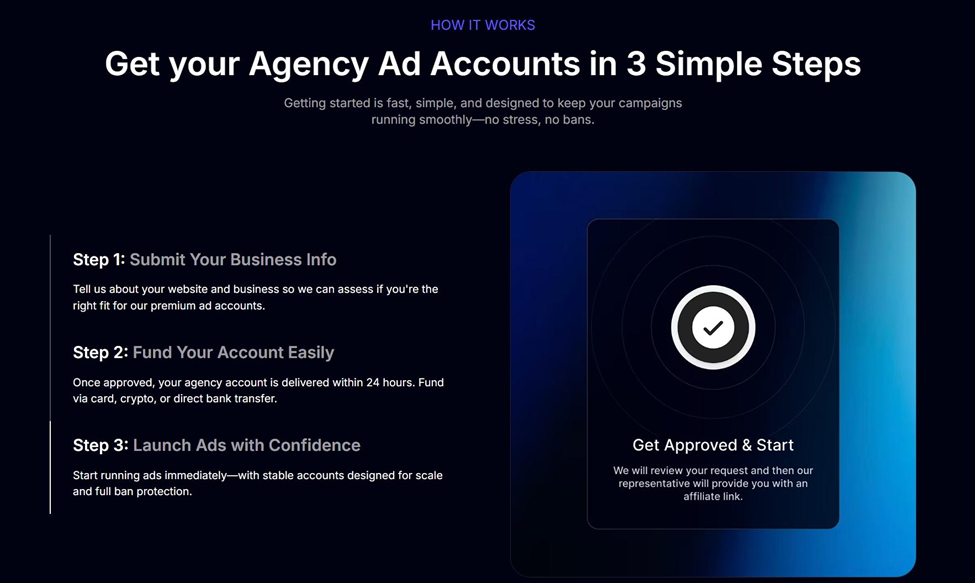
Uproas, a company that offers whitelisted agency ad accounts for Meta, Google, and TikTok, does this well. Their entire brand centers on speed and reliable delivery. They don‘t bury this message, but build everything around it.
On their website, they show how their process works in three simple steps. No complicated explanations. No lengthy onboarding descriptions. Just a clear, fast path from sign-up to results.
Source: uproas.io
This matches exactly what their audience wants: experienced marketers who need ad accounts quickly without hassle. Every touchpoint reinforces that same promise, making their brand instantly recognizable and trustworthy.
Maintain a Unified Visual Identity Across All Platforms
People need to see your brand about seven times before they remember it. Consistent branding across all channels speeds this up and can improve brand recall by up to 70%.
When your colors, fonts, tone, and style match everywhere, each interaction reinforces the last one. Your audience builds recognition faster, and recognition builds trust.
This matters because confused customers don‘t convert. If your website looks professional but your emails look like spam, people question whether you‘re legitimate. If your Instagram sounds casual but your landing page sounds corporate, they don‘t know what to expect. Inconsistency creates doubt.
To do this well:
- Create a brand style guide that covers everything. Document your logo usage, color codes, fonts, image style, tone of voice, and even how you format dates or write product names.
- Make it detailed enough that anyone on your team can create content that looks and sounds like your brand.
- Share this guide with everyone who creates content for you – your team, freelancers, and even agencies. Check their work against it regularly. When you notice something off-brand, fix it and update your guide if needed.
- Review all of your channels quarterly. Look at your website, social media, email templates, ads, and any printed materials. Do they all feel like the same company? If not, bring them in line.
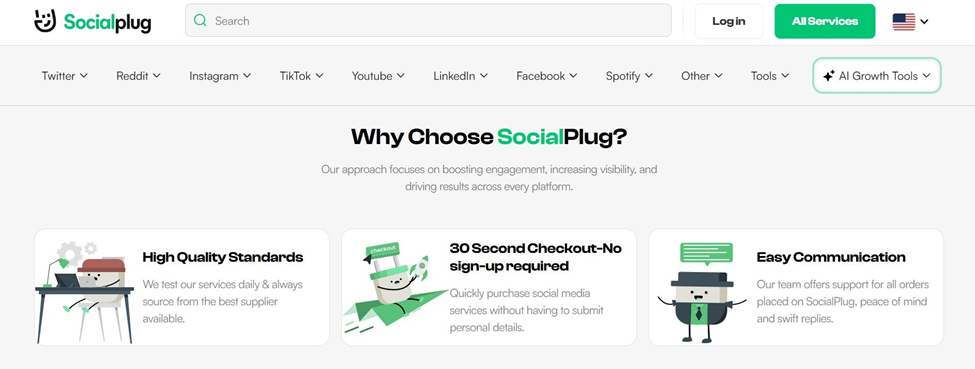
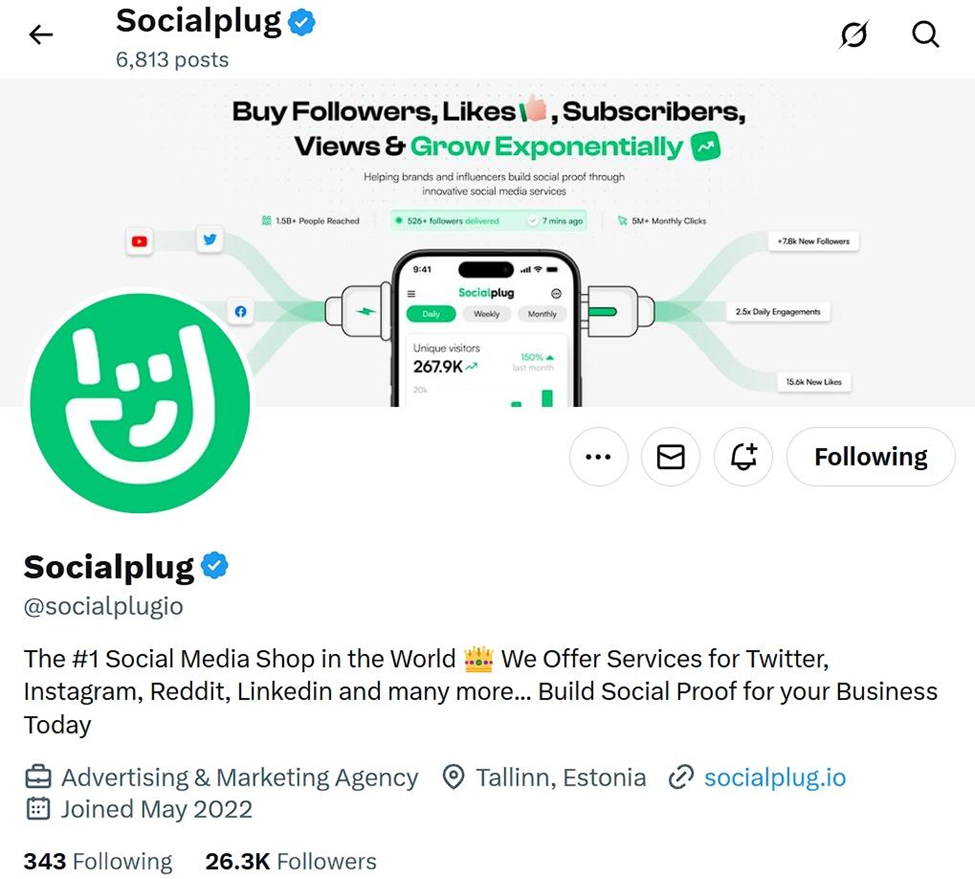
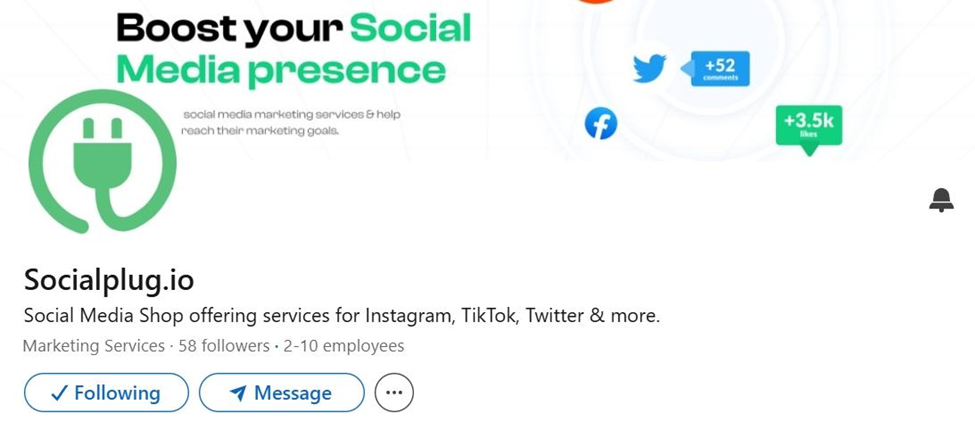
SocialPlug, a marketplace for social media engagement, nails this approach. Whether you visit their website or check out their social profiles, you see the same brand.
Their light-green accent color appears consistently. The fonts don‘t change. The icons and visual elements match. Even their content style stays the same across platforms.
Source: socialplug.io
Source: x.com
Source: linkedin.com
This consistency makes them instantly recognizable. You don‘t need to check the URL or username to know you‘re looking at Social Plug. That recognition removes friction and builds the confidence people need to make a purchase.
Showcase Real Customer Experiences to Build Trust
Consistency amplifies trust, and trust drives sales. 81% of consumers say trust is a key factor when they buy something.
User-generated content gives you that trust because it shows real people actually using and enjoying what you sell. When potential customers see authentic experiences instead of polished marketing, they believe you.
This is effective because people trust other people more than they trust brands. A photo from a real customer carries more weight than a professional product shot. A genuine review matters more than your own claims. UGC proves your brand delivers what it promises.
To do this well:
- Encourage customers to share their experiences. Ask them to tag you in posts or use a branded hashtag.
- Make it easy by sending a follow-up email after purchase with clear instructions on how to share.
- Feature this content prominently on your website and social channels. Don‘t hide it at the bottom of a page. Put it where visitors can‘t miss it, such as on product pages, your homepage, and in your Instagram stories.
- Always credit the original creator and ask permission before using their content.
- Keep your presentation consistent. If you‘re showcasing customer photos, use the same layout and style for each one. If you‘re sharing testimonials, format them the same way every time. This consistency makes the UGC feel like a natural part of your brand instead of a random addition.
Icecartel, a men‘s Moissanite jewelry brand, does this effectively. On their website, they display content that customers and influencers post on social media featuring their products.
You‘ll see real people wearing and reviewing their chains, rings, and bracelets in everyday settings. These aren‘t staged photoshoots. They‘re authentic moments that show how the jewelry looks in real life.
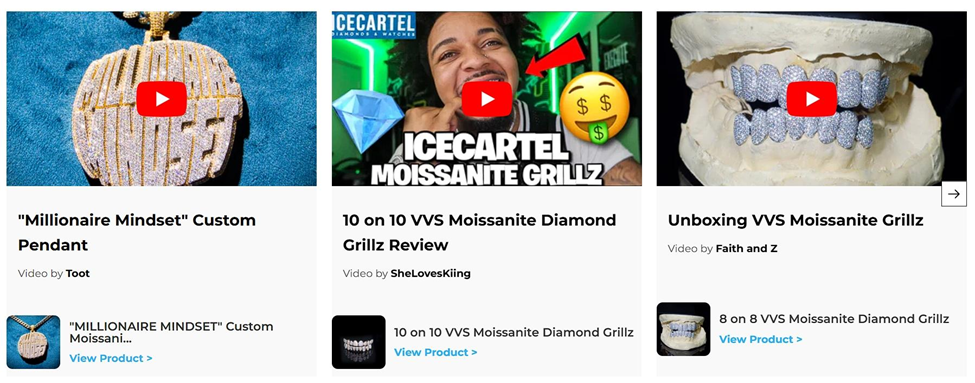
Source: icecartel.com
This approach reinforces their brand while proving that real people love their products enough to show them off.
Highlight Real People to Strengthen Your Brand Story
People connect with people, not logos. When you put real faces behind your brand, you become relatable and trustworthy.
Customers want to know who they‘re buying from, especially in industries where expertise matters. Showing your team humanizes your business and makes your brand memorable.
This is an incredible strategy for creating accountability and authenticity. When someone can attach a face and name to your company, they feel more comfortable doing business with you. It also differentiates you from competitors who hide behind corporate speak and stock photos.
To do this well:
- Decide who should represent your brand. This might be your founder, key team members, or subject matter experts. Choose people who embody your brand values and can communicate well.
- Feature these people consistently across all channels. Use the same professional photos on your website, social media, and marketing materials. Keep their bios updated and write them in a consistent tone that matches your brand voice.
- Have them create content regularly. This could be blog posts, social media updates, videos, or podcasts. The content should showcase their expertise while staying true to your brand‘s messaging.
- Keep a consistent posting schedule so your audience knows when to expect new insights.
- Make sure their personal brand aligns with your company brand. They don‘t need to be identical, but they shouldn‘t contradict each other. If your brand is professional and educational, your team‘s content should reflect that.
The Dermatology and Laser Group, a cosmetic dermatology clinic in New York City, executes this well. They prominently showcase their founder and management team across their website and social channels.
These experts share valuable skincare insights and explain treatments in accessible ways. By consistently putting their team forward, they position themselves as approachable authorities.

Source: dermatologyandlasergroup.com

Source: instagram.com
Featuring real people at the forefront of your story creates a lasting impression. It gives your brand a voice, a face, and a personality that audiences can remember and trust.
Repurpose Your Core Content Across All Channels
75% of consumers expect the same experience from a brand regardless of where they interact with it, whether that‘s your website, social media, or email. Repurposing content helps you deliver that consistency while maximizing the value of everything you create.
You‘ve already done the hard work of developing good content. Using it in multiple places reinforces your message and reaches people where they actually spend time.
This is always a good idea because different people prefer different platforms. Some check your blog regularly. Others only see what you post on LinkedIn. By sharing the same core message across channels, you ensure everyone gets the same information and experience with your brand.
To do this well:
- Start with your highest-performing content. Look at which blog posts, videos, or resources got the most engagement. These are worth repurposing because you know they resonate.
- Adapt the format to fit each platform without changing your core message. Turn a blog post into a series of social media posts, an email newsletter, or short video clips.
- Keep your brand voice, visual style, and key points consistent across all versions.
- Schedule regular content sharing. Don‘t just post something once and forget it. Rotate your best content throughout the year, especially if it‘s evergreen. New followers haven‘t seen your old posts.
- Track what works on each platform. If a particular type of repurposed content performs well, do more of it. Adjust your distribution strategy based on results, not guesses.
Native Teams, a global platform for work payments and employment, does this consistently. They publish blog posts and company news on their website, then share those same pieces across their social media channels.
Their audience on LinkedIn or Facebook might see an article about international payroll that‘s also on their site.

Source: facebook.com
This approach ensures their message stays consistent while reaching people on their preferred platforms.
Final Thoughts
Building a consistent brand is a continuous practice, not a one-time task. It‘s the work you do behind the scenes to make your customers feel secure and understood.
By taking these steps (clarifying your message, unifying your look, showcasing real people, and reinforcing your value), you’re elevating your marketing. You are building a foundation of trust.
This trust is your most valuable asset. It‘s what turns a first-time buyer into a lifelong fan and what makes your business memorable in a crowded market.
So, start with one of these tactics. Be patient and persistent. The confidence you build in your brand will directly fuel the conversions that drive your business forward. You have the power to create that certainty. Now, go and build it.