To be honest, simply the phrase “taxes” may make a lot of business owners sweat. Forms, due dates, deductions, codes, and exemptions are all like trying to comprehend a language you don’t know.
But here’s the thing: you don’t need to be an expert in taxes to do a good job now. Why? Because coding means rewriting the rules of the game. Go to rates.fm/taxes to learn more.
Yes, writing code! That amazing skill that hackers and tech geniuses who wear hoodies are known for. It turns out that if you use it correctly, it may help businesses save time and money by making sense of even the most confusing tax rules.
So, what does it do? Let’s take it apart.
Decoding the Chaos: Why Business Taxes Are So Complicated
Let’s look at the problem before we talk about the answer.
Tax rules are known for being very complicated because they change depending on:
- Nation
- State or area
- Type of business
- Field
- Income range
With all the changes, deductions, and legalese, it’s easy to get confused. If you don’t follow the rules, you could pay too much, too little, or even get in trouble. That’s a lot of stress.
Now think about how great it would be if you could automate learning and following these guidelines. That’s when code comes in.
What Coding Brings to the Table
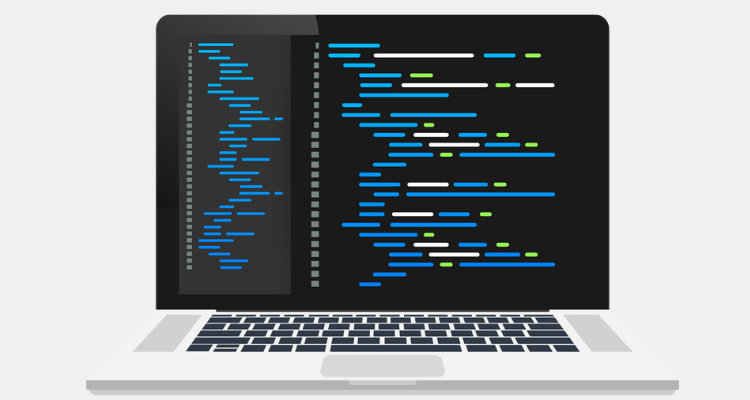
So, how can a few lines of code make the tax code easier to understand? Think of it this way: coding is like a translator that turns the language of legislation into something that both your computer and your brain can readily understand. By developing quality software, we ensure this translation is accurate, user-friendly, and built to solve real-world problems efficiently.
This is what it can accomplish for your business:
1. Automate Tax Calculations
You can develop scripts or use tax APIs that accomplish it in real time instead of having to figure out taxes for every transaction or quarterly report by hand. This cuts down on mistakes and makes sure everything is correct, especially when working with complicated rate systems or exclusions.
2. Keep Rules Up to Date
The rules for taxes vary a lot. A programming solution can be set up to automatically get and update rules. This means you always have the most up-to-date information without having to browse through government PDFs.
3. Classify and Organize Expenses
You can use some code to automatically sort your expenses into groups like deductible, partially deductible, or not deductible. This makes filing lot easier, and it could even show you ways to save money that you didn’t see before.
Real-World Example: From Spreadsheet Hell to Smart Automation
Let’s draw an image.
Picture Sarah, who manages an online store in three states. Tax rates and rules for certain products vary from state to state. Every month, she would spend hours updating spreadsheets and verifying tax tables again.
What now? A simple script that uses APIs from her accounting software examines the location, product type, and applicable tax rate for each customer and applies it automatically at checkout.
What happened? Less labor by hand, fewer mistakes, and most importantly, correct tax reporting. That means less stress, fewer audits, and more money coming in.
Popular Coding Languages That Make It Happen
You don’t have to be a full-stack developer to use coding to your benefit. A lot of companies use tools and scripts that are created in these prominent languages:
1. Python
Python is loved for its simplicity and versatility. It’s perfect for automating tax tasks like parsing data, scraping tax rate changes, and generating reports.
2. JavaScript
JavaScript is especially helpful in web-based applications. Want to calculate sales tax on your website’s checkout page? JavaScript has your back.
3. SQL
When it comes to organizing large amounts of financial data, SQL is the gold standard. It helps you pull reports, sort expenses, and track patterns faster than any spreadsheet could.
And here’s the best part: You don’t even have to write the code yourself. There are pre-built libraries, open-source tools, and freelancers who can build what you need based on your business model.
Tax APIs: Your Secret Weapon
You don’t have to come up with new ideas all the time. There are strong tax APIs that can do the hard work for you. You can add tax functionality directly to your current systems with these APIs.
Some well-known instances are:
- Avalara – Great for sales tax automation and compliance.
- TaxJar – Ideal for e-commerce and online platforms.
- Xero Tax API – Perfect if you already use Xero for accounting.
These tools figure out taxes based on where you live, keep rates up to current in real time, and make tax forms that are ready to file. When you use them, it’s like hiring a robot tax accountant who never stops working.
Saving Money and Time: The Coding Advantage
Let’s talk benefits—because this is where coding really shines.
1. More Accurate Filings = Fewer Fines
Miscalculating your taxes? That can get expensive. With coded logic and automation, you reduce the chances of costly errors that lead to audits or fines.
2. Time Back in Your Pocket
Instead of spending days on tax prep every quarter, imagine just running a script, reviewing a pre-generated report, and clicking submit. That’s hours—if not days—of productivity saved.
3. Better Financial Insights
Coded systems don’t just file your taxes—they can show you trends, flag unusual spending, and even predict future tax liabilities. This helps you plan smarter and avoid surprises.
4. The Human Touch Still Matters
You might be wondering if this means that accountants are no longer needed. Not at all!
Think of coding as your money helper. It does the hard work, adds up the figures, and does the same things over and over. That gives your accountant time to provide you strategic advise, help you find new ways to save money, and help your firm develop.
In other words, coding and human knowledge are the best partners for power.
Getting Started: No Coding Skills? No Problem
Don’t worry if you don’t know how to code. You can start small and grow in a number of ways:
- Use tax automation programs like QuickBooks, Xero, or FreshBooks, which already have some code running in the background.
- You can hire a freelancer or developer on sites like Upwork or Fiverr to write custom scripts for your business.
- Look into low-code systems like Integromat or Zapier. These help you set up automatic tax flows without having to write code the old-fashioned way. But if you need more flexibility, deeper control over workflows, or self-hosted options, exploring alternatives to Zapier can help you build more customizable, robust automation without being locked into a single platform.
Start simple; maybe just automate how you categorize your monthly expenses. Then build on it. Even small modifications can make a tremendous difference.
Conclusion
Let’s be honest: the laws on taxes aren’t going to get any easier anytime soon. But that doesn’t mean your business has to be very complicated. You can make tax turmoil clear with a little coding or the proper tools that leverage it.
Coding gives modern organizations the structure, speed, and accuracy they need. It automates computations, keeps businesses compliant, saves them hours every month, and cuts down on expensive mistakes.
So why not take advantage of the power of code? Your future self and your accountant will be grateful.