In simple terms, a link profile shows how your website is connected across the web.
- It includes every backlink pointing to your site
- Link quality, relevance, and natural growth matter more than quantity
- Search engines use it to judge trust, authority, and relevance
Understanding your link profile allows you to analyze which websites are linking to you, the type of anchor text being used, and whether the links are high-quality or potentially harmful. This insight helps you identify strengths to build on, toxic or spammy links to address, and opportunities for improvement.
By regularly monitoring and optimizing your link profile, you can create a safer, more sustainable SEO strategy that supports long-term ranking growth and protects your website from search engine penalties.
What Is a Link Profile in SEO?
In SEO, a link profile refers to the complete set of inbound links (backlinks) pointing to your website, along with the key attributes that define those links. It is not just about the number of backlinks, but about how natural, relevant, and trustworthy those links appear to search engines.
A link profile includes important characteristics such as:
- Source Domains: These are the websites linking to your site. Links from authoritative, well-established domains carry more weight than links from low-quality or spammy sites. A diverse range of referring domains is a strong positive signal for SEO.
- Anchor Text: Anchor text is the clickable text of a link. A healthy link profile contains a natural mix of branded anchors, generic phrases, partial keywords, and URLs. Overuse of exact-match keywords can signal manipulative link building.
- Link Types (Dofollow vs Nofollow): A natural link profile includes both dofollow links, which pass ranking value, and nofollow links, which add authenticity and diversity. Having only dofollow links may appear unnatural.
- Link Quality and Relevance:High-quality links come from relevant websites within your niche and are placed naturally within meaningful content. Links from unrelated or low-quality sites can weaken your link profile and harm rankings.
Search engines like Google analyze all these factors together to determine whether a website has earned its backlinks naturally or is engaging in manipulative link-building practices. A clean and balanced link profile helps improve rankings, while an unnatural one increases the risk of penalties.
Why Is a Link Profile Important?
A strong and natural link profile signals credibility, authority, and trustworthiness to search engines. Backlinks act as endorsements from other websites, showing that your content is valuable and reliable.
Search engines evaluate link quality, relevance, diversity, and growth patterns not just link quantity. A balanced link profile helps improve rankings while supporting long-term SEO stability.
Key Benefits of a Healthy Link Profile
- Improves Search Engine Rankings: High-quality backlinks help search engines understand the importance of your pages. Websites with strong link profiles are more likely to rank higher for competitive keywords because search engines view them as authoritative sources.
- Builds Domain Authority: A consistent flow of links from trusted and relevant websites strengthens your domain authority. Higher authority makes it easier for new pages to rank and improves overall site visibility.
- Increases Referral Traffic: Backlinks from reputable websites don’t just help SEO they also drive targeted referral traffic. Visitors coming from relevant sources are more likely to engage with your content and convert.
- Protects Your Site from Google Penalties: A natural link profile with varied anchors, link types, and sources reduces the risk of algorithmic penalties or manual actions. It signals that your site follows Google’s webmaster guidelines rather than manipulative link-building tactics.
Key Elements of a Good Link Profile
- Link Quality:
Link quality is one of the most important factors in a strong link profile. High-quality links come from authoritative, trustworthy, and well-established websites with real organic traffic and strong domain metrics. These links are placed naturally within relevant content. A small number of strong, editorial links often deliver more SEO value than hundreds of low-quality or spammy backlinks. - Link Relevance:
Link relevance refers to how closely the linking website and its content align with your niche or industry. Links from topically related websites send stronger signals to search engines because they appear as genuine recommendations. Links from unrelated niches provide little value and may weaken your overall link profile. - Anchor Text Distribution:
Anchor text is the clickable text used in a backlink. A healthy link profile includes a natural and diverse mix of anchor texts, such as:
- Branded anchors (your company or website name)
- Generic anchors
- Partial-match keyword anchors
Overusing exact-match keywords can appear manipulative and may trigger search engine penalties, so maintaining balance is essential.
- Dofollow vs Nofollow Links:
A natural link profile includes both dofollow and nofollow links. Dofollow links pass SEO value and help improve rankings, while nofollow links add authenticity and diversity. Having only dofollow links can look unnatural to search engines and may raise red flags. - Link Velocity:
Link velocity refers to the rate at which a website gains backlinks over time. Steady and consistent link growth appears natural and healthy. Sudden spikes in backlinks, especially from low-quality sources, can signal manipulative link-building practices, particularly for new or low-authority websites.
What Does a Bad Link Profile Look Like?
A bad or risky link profile contains backlinks that violate search engine guidelines or appear unnatural. Instead of improving rankings, such links can harm your website’s credibility and lead to ranking drops or penalties.
- Too Many Links from Low-Quality or Spam Sites:Links coming from spammy blogs, link farms, PBNs, or auto-generated websites signal poor quality. These sites often have thin content, no real traffic, and exist only to sell or exchange links. Search engines see these links as manipulative rather than earned.
- Irrelevant Backlinks from Unrelated Niches: When your website receives links from unrelated industries, it weakens trust signals. For example, a tech website receiving backlinks from gambling, adult, or pharmaceutical sites looks unnatural and suspicious to search engines.
- Overuse of Exact-Match Keywords: Using the same keyword-rich anchor text repeatedly (e.g., “best SEO services”) is a strong indicator of manipulation. A natural link profile should include branded, generic, and partial-match anchors. Over-optimization can trigger algorithmic penalties.
- Paid or Automated Links: Links purchased in bulk or generated through automated tools often come from low-quality sources. These links usually lack context and relevance, making them easy for search engines to detect and devalue.
- Sudden, Unnatural Link Growth: A rapid spike in backlinks within a short period especially from unknown or low-quality sites can indicate link schemes. This is particularly risky for new websites that haven’t built authority yet.
How to Analyze Your Link Profile
Analyzing your link profile helps you understand the overall health and strength of your backlinks. It reveals which links add value and which may pose SEO risks. Regular analysis allows you to identify and remove harmful or spammy links. It also helps maintain natural link patterns that improve rankings. This process supports a safer, long-term SEO strategy.
You can review your link profile using SEO tools such as:
1. Google Search Console:
Google Search Console is a free tool from Google that shows the backlinks Google actually recognizes for your website. Since the data comes directly from Google, it’s one of the most reliable sources for understanding your link profile.
Using the Links report in Search Console, you can review:
- Top linking sites: websites that link to your domain the most
- Top linking pages: specific pages receiving backlinks
- Most linked content: pages on your site with the highest number of links
- Anchor text: words and phrases other sites use when linking to you
This tool is especially useful for spotting unusual or spam-like link patterns, such as repeated anchor text or sudden link spikes. It also helps you track overall link growth over time, making it easier to monitor link-building progress and identify potential SEO risks early.
2. Ahrefs:
Ahrefs is a powerful SEO and backlink analysis tool widely used by SEO professionals to perform deep link audits. It offers one of the largest and most frequently updated backlink databases, making it ideal for understanding your link profile in detail.
With Ahrefs, you can:
- Check backlink quality and Domain Rating (DR): Evaluate the authority and trustworthiness of linking websites.
- Analyze anchor text distribution: Identify over-optimized, branded, generic, or keyword-rich anchors to maintain a natural profile.
- Monitor new and lost backlinks: Track link growth over time and spot sudden drops or unnatural spikes.
- Identify potentially toxic links: Find low-quality or spammy backlinks that may pose SEO risks.
Ahrefs also allows competitor backlink comparison, helping you discover where competitors earn links and identify new link-building opportunities. This makes it an essential tool for improving and protecting your link profile.
3. SEMrush:
SEMrush is a comprehensive SEO platform that includes a dedicated Backlink Audit tool to help website owners manage their link profile effectively. This tool is especially useful for identifying risky or harmful backlinks and maintaining a healthy SEO strategy.
With SEMrush’s Backlink Audit, you can:
- Detect toxic and spammy backlinks: The tool scans your backlink profile to find low-quality, suspicious, or irrelevant links that could harm your rankings.
- Assign toxicity scores: Each backlink is given a score based on its potential risk, helping you prioritize which links need attention.
- Suggest links to remove or disavow: SEMrush provides actionable recommendations, guiding you to contact webmasters for removal or submit links to Google’s Disavow Tool.
Additionally, SEMrush helps you monitor link growth patterns over time, spot sudden spikes in backlinks, and evaluate anchor text distribution. Using this tool regularly ensures your link profile remains diverse, natural, and safe, reducing the risk of Google penalties.
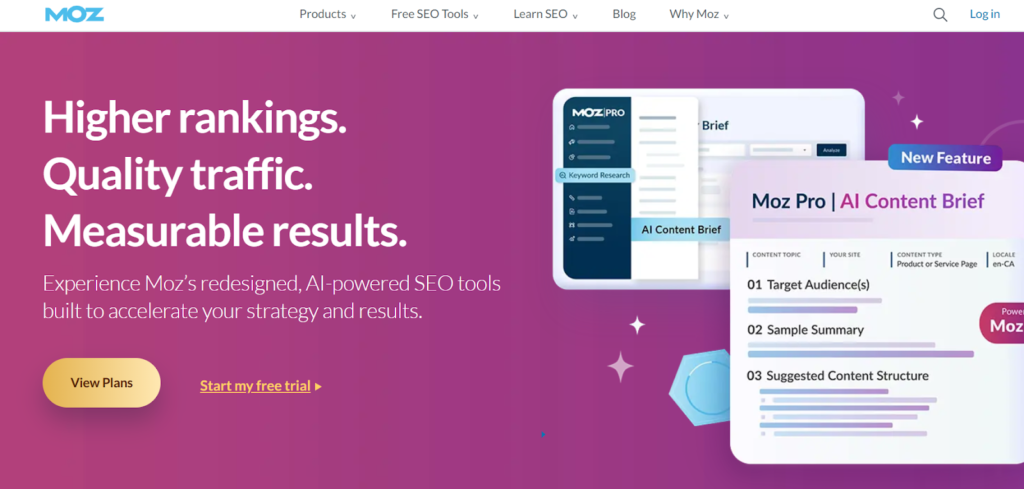
4. Moz:
Moz is a popular SEO tool that helps website owners analyze and improve their link profile. It is especially beginner-friendly and provides clear metrics to understand the authority and trustworthiness of your backlinks.
With Moz, you can:
- Check Domain Authority (DA) and Page Authority (PA): These metrics measure the overall strength of a website or a specific page based on its backlink profile. Higher DA or PA indicates more trustworthy and influential links.
- Analyze Spam Score: Moz evaluates your backlinks and assigns a spam score, helping you identify potentially harmful links that could negatively affect your SEO.
- Review Anchor Text Insights: See which anchor texts are being used most often in backlinks, helping you maintain a natural and balanced distribution.
Moz is great for quick link health checks, tracking link growth over time, and spotting risky links before they impact rankings. While it may not be as detailed as Ahrefs or SEMrush, it’s an excellent tool for beginners or for those who need a simple overview of their link profile.
How to Improve Your Link Profile
Improving your link profile requires a focus on quality, relevance, and long-term sustainability rather than quick wins. Below are the most effective and safe ways to strengthen your backlink profile.
1. Earn High-Quality Backlinks:
The best links are earned naturally through valuable and informative content. When your content solves real problems or offers unique insights, other websites are more likely to reference it.
Effective content types include:
- In-depth guides and tutorials
- Case studies with real data
- Original research and statistics
- Industry reports and expert insights
These links are highly trusted by search engines because they are editorial and not forced.
2. Remove or Disavow Toxic Links:
Toxic backlinks from spammy or irrelevant websites can harm your SEO. Regular backlink audits help identify these harmful links.
Steps to manage toxic links:
- Use SEO tools to find low-quality backlinks
- Request link removal from webmasters when possible
- Use Google’s Disavow Tool as a last resort
Removing or disavowing harmful links helps protect your site from penalties and ranking drops.
3. Build Links Naturally:
Avoid shortcuts like link farms or automated tools. Instead, focus on ethical and sustainable link-building methods.
Safe link-building strategies include:
- Guest posting on niche-relevant websites
- Digital PR and brand mentions
- Niche edits (contextual link placements)
- Partnerships and collaborations
These approaches build authority while keeping your link profile natural.
4. Maintain Anchor Text Balance:
Anchor text should look organic and diverse. Over-optimizing keywords can raise red flags with search engines.
Best practices for anchor text:
- Prioritize branded and generic anchors
- Use partial-match keywords sparingly
- Avoid repetitive exact-match keywords
A balanced anchor text profile helps maintain trust and reduces SEO risk.
Final Thoughts
A link profile is one of the most critical components of SEO success. Rather than chasing backlinks blindly, focus on building a clean, diverse, and natural link profile that aligns with Google’s guidelines.
A well-maintained link profile not only boosts rankings but also protects your website from long-term SEO risks.