You’ve just launched an extensive ad campaign, anticipating a surge in traffic and conversions after spending a significant budget. The clicks start rolling in, and the excitement builds. But when the dust settles, you’re faced with an anti-climax which is little to no conversions.
Despite the traffic, your ad spend feels wasted. This is a common scenario for businesses that invest in digital ads without paying attention to a crucial factor: website infrastructure. In this article, we’ll explore why strong website infrastructure is key to turning ad traffic into valuable customers and maximizing your marketing ROI.
Ad Spend and Conversion Disparity
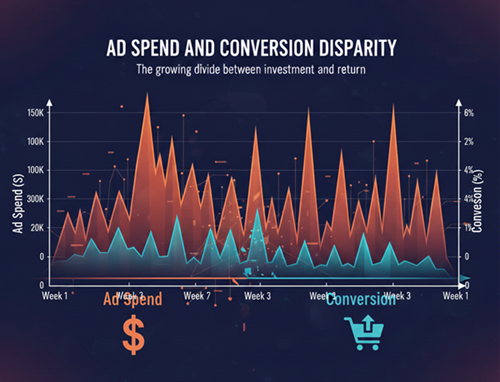
Despite a high Click-Through Rate (CTR), many businesses find that their ad campaigns fail to translate into meaningful conversions.
In fact, research shows that over 70% of ad-driven traffic bounces without making a purchase or engaging further, highlighting a significant disconnect between attracting clicks and generating sales.
This gap often occurs because ad campaigns focus on driving traffic but neglect to optimize the experience once users land on the website. Here’s how the typical funnel breaks down:
- Ad click: The user clicks on the ad, eager to learn more about the offer.
- Landing page experience: If the website loads slowly, is unresponsive, or has a complicated design, the visitor may lose interest and leave quickly.
- Conversion: A seamless and engaging user experience encourages the visitor to take the desired action, whether it’s making a purchase, signing up, or contacting the business.
While ads may bring visitors to your site, the infrastructure and user experience once they land on it are what ultimately determine whether they convert.
Website Speed and Its Critical Impact
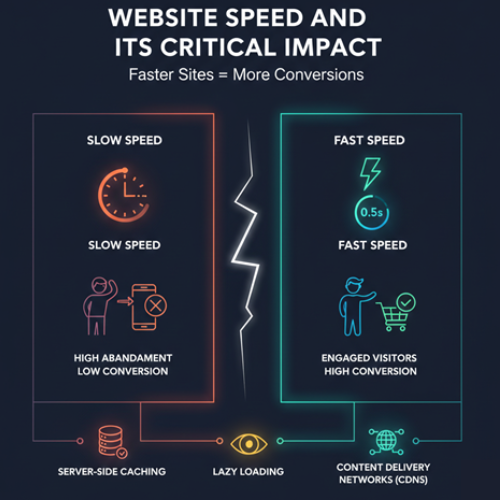
Website speed is directly tied to conversion rates. Visitors are more likely to abandon the site if a page takes too long to load. Optimizing website speed can significantly improve the chances of turning ad clicks into conversions. Here are several strategies to enhance your site’s speed:
- Server-side caching: This technique stores frequently accessed data, reducing the need for repeated requests and speeding up load times.
- Lazy loading: By delaying the loading of non-essential elements, such as images, until they are needed, lazy loading prevents unnecessary delays in the initial page load.
- Content delivery networks (CDNs): CDNs distribute content across global servers, ensuring faster content delivery based on the user’s geographical location.
Mobile Optimization

Ensuring your website is fully optimized for mobile is essential as mobile traffic from ads continues to rise . A poor mobile experience leads to higher bounce rates and wasted ad spend. To address this, here are some effective mobile optimization strategies:
- Progressive web apps (PWAs): PWAs deliver app-like experiences directly in the browser, providing speed and reliability, even under less-than-ideal network conditions.
- Mobile-first design: By focusing on mobile-first design principles, you ensure that your website is easy to navigate and loads quickly on all mobile devices.
Technical SEO: Ensuring Seamless User Experience
In addition to speed and mobile optimization, technical SEO plays a critical role in performance. Here are a few advanced technical SEO strategies that can improve performance:
- Image compression: Large unoptimized images can slow down load times. Compressing them ensures faster loading while maintaining image quality.
- Structured data: Using structured data helps search engines understand your content better, making it easier for visitors to find what they’re looking for quickly.
- Optimized front-end code: Minimizing the size of your code and removing unnecessary elements allows your pages to load faster.
The User Experience Factor
The design and structure of your website help guide visitors from the moment they land on the page to completing the desired action, such as making a purchase or signing up. Some important elements to focus on include:
- Clear navigation: Make it easy for users to find what they’re looking for. A simple, well-organized menu reduces confusion and ensures a smooth user journey.
- Logical information flow: Present information in a way that’s easy to understand, helping users move through the decision-making process without feeling overwhelmed.
- Accessible CTAs (Calls to Action): Place clear and compelling CTAs in strategic spots to guide visitors toward conversion, whether it’s “Buy Now” or “Get Started.”
Advanced UX Techniques
To further optimize UX for conversions, consider these advanced techniques:
- Heatmaps: Heatmap tools can show where users are clicking and how they’re navigating your site, helping you identify areas for improvement.
- A/B testing: Testing different page variations can reveal which designs and messages work best, leading to higher engagement and conversion.
- Personalization: Personalizing content and offers based on user behavior can make the experience feel more relevant, increasing the likelihood of conversion.
Investing in affordable website development could help if you’re looking to improve your website’s ability to convert traffic effectively. An optimized website that focuses on UX and conversion paths ensures your ad campaigns have the best chance of success.
Consistency Between Ad and Landing Page
A common issue that causes visitors to leave is a mismatch between the messaging in the ad and what they find on the landing page. If the design, language, or value proposition doesn’t align with the ad, users may lose trust and abandon the site.
Ensuring a smooth transition from ad to landing page, with consistent messaging and design, is key to building trust and improving conversions.
Scalability and Long-Term Growth: Why Infrastructure Matters
High-performing ad campaigns can drive significant traffic, but many businesses fail to anticipate the need for scalable infrastructure. Without solutions like load balancing and cloud hosting, websites risk crashing or slowing down during traffic surges. This definitely leads to lost sales and poor user experience.
Ignoring scalability can have long-term consequences, especially during peak periods like seasonal promotions. Site crashes or slow response times erode customer trust and hinder growth.
To avoid these issues, businesses must continuously monitor and adapt their website infrastructure based on performance data. By ensuring that the site can handle increasing traffic, businesses can maintain a smooth user experience and support long-term growth.
Endnote
Ad campaigns alone aren’t enough to guarantee success. A website’s infrastructure is just as critical in ensuring that ad-driven traffic converts into real value.
From fast load times and mobile optimization to scalable solutions and a seamless user experience, a well-built website is the backbone of any successful marketing strategy.
Businesses can maximize the ROI of their ad campaigns and support long-term growth by investing in strong website infrastructure and continuously optimizing it.