Innovative marketing is about using creative ideas and modern tools to capture attention and keep people engaged. Instead of pushing traditional ads, brands now focus on creating experiences that users actually enjoy and interact with.
Today’s campaigns are built around a few clear shifts:
- Personalization: content tailored to each user
- Social media engagement: campaigns designed for sharing and interaction
- Real-time interaction: instant responses and live experiences
- AI-driven experiences: smarter, data-based marketing
Quick takeaway: brands are no longer just advertising, they are creating experiences people want to be part of.
Recent Innovative Marketing Examples (2026)
1. Airbnb – “The Middle of Nowhere” Campaign
This 30-second animated spot features a remote, cozy cabin surrounded by nature while the classic track “I Think We’re Alone Now” plays. The campaign leans heavily into emotional storytelling and the “getaway” fantasy, focusing on the feeling of isolation as a luxury rather than a lonely experience.
Airbnb positions itself as the ultimate bridge to authentic nature, moving beyond the sterile, cookie-cutter environment of traditional hotels. It works because it pairs a relatable desire for privacy with a nostalgic soundtrack, making the idea of being “in the middle of nowhere” feel safe, inviting, and deeply desirable.
Key takeaway from Airbnb
Differentiate your service by selling the environment, not just the product; by framing isolation as “exclusivity,” you transform a potential paint point into a premium emotional benefit.
2. boAt – “Cancel the Chaos” Campaign
The ad humorously features Royal Challengers Bangalore (RCB) cricketers dealing with exaggerated physical distractions, like literal giant hands over their ears—to represent social media noise and expert critiques. boAt utilizes a social-proof and celebrity-led approach, positioning its noise-cancelling products as essential gear for high-performance focus.
By aligning with the high-stakes world of IPL cricket, the brand positions itself as the “Champion’s Choice.” The campaign works because it turns the abstract concept of “mental clutter” into a visual comedy that resonates with any sports fan or professional who needs to tune out the world to get the job done.
Key takeaway from boAt
Use visual metaphors to represent internal pain points; by making an invisible problem (like distraction) physically visible and funny, you make the solution (your product) feel more tangible and necessary.
3. Coca-Cola – “Uncanned Emotions” Campaign
This high-energy spot captures the raw, sensory experience of a FIFA World Cup™ match, from the sharp pop of a can opening to the collective roar of a stadium. Coca-Cola utilizes a synesthetic and emotional storytelling approach, using the sound and fizz of the drink to mirror the tension and release of the beautiful game.
The brand is positioned not just as a beverage, but as a central character in the fan experience, the “official partner” of every high and low. The campaign works because it replaces traditional dialogue with a “symphony” of game sounds and product Foley, making the connection between football and Coke feel visceral and universal.
Key takeaway from Coca-Cola
Don’t just describe a feeling; engineer the sensory details. Use “signature sounds” (like a carbonated hiss) to physically bridge the gap between your product’s experience and the high-stakes emotions of your audience.
4. Nike – “Caitlin Clark From Anywhere” Campaign
The ad showcases basketball phenom Caitlin Clark silencing doubters—ranging from kids in a gym to Travis and Jason Kelce on their podcast—by hitting impossible shots from every imaginable distance. Nike utilizes a high-energy, “vibe-centric” social approach, leveraging Clark’s real-world reputation for “logo threes” to build a narrative of inevitability.
The brand positions itself as the enabler of limitless potential, aligning with a superstar who transcends the sport’s traditional boundaries. It works because it taps into the current zeitgeist of women’s basketball, using authentic celebrity cameos and fan-favorite moments to make the “From Anywhere” slogan feel like a literal truth.
Key takeaway from Nike
Leverage cultural momentum by identifying a specific, viral trait of an athlete (like Clark’s range) and turning it into a repeatable brand mantra that resonates across different audience segments.
5. Duolingo – “Un Poquito” Campaign
The ad follows the blossoming relationship between two girls who use a language app to bridge their communication gap. Duolingo employs a deeply emotional storytelling approach, focusing on how learning a language is an act of love and effort.
The brand is positioned not just as an educational tool, but as a vital connector that enables genuine human intimacy across cultures. This campaign works because it moves beyond functional features to highlight the “why” behind learning, showing that a few words can be the foundation for a life-changing connection.
Key takeaway from Duolingo
Market the human outcome, not the utility; by showing how your product facilitates a deeper emotional connection, you transform a chore-like task into a meaningful personal investment.
6. Apple – “The all-new MacBook Neo” Campaign
The ad introduces a vibrant, colorful new entry into the Mac lineup, emphasizing accessibility and high-end features like AI and all-day battery life. Apple uses a value-driven lifestyle approach, framing the device as a powerful yet surprisingly affordable tool for everyone.
By launching at a $599 price point, the brand positions itself as inclusive, lowering the barrier to entry for the Apple ecosystem without sacrificing its premium “Liquid Retina” aesthetic.
The campaign works because it disrupts the expectation that “pro-level” tech must be expensive, using high-energy visuals to make a budget-friendly product feel like a status symbol.
Key takeaway from Apple
Lower the barrier to entry without diluting your brand; by pairing a “surprising” price point with your signature premium design, you capture a wider market share while maintaining high perceived value.
7. Netflix – “Your Future is on its Way” Campaign
A young woman experiences a series of surreal, coincidental signs, from a cloud shaped like a hand to encountering characters from popular shows, leading her to a mystical tarot reader. Netflix employs a curiosity-driven, immersive storytelling approach, transforming its upcoming content slate into a “future” waiting to be discovered.
By blending everyday life with fantastical elements, the brand positions itself as an omnipresent cultural force and a gateway to the unknown. The campaign works by leveraging “mystery box” marketing, teasing new titles without revealing them directly, which builds anticipation and rewards fan engagement.
Key takeaway from Netflix
Build anticipation by gamifying your announcements; instead of a standard list, frame your upcoming product launches as a narrative experience that invites the audience to participate in the “discovery.”
8. Skechers – “Scary Fast” Campaign
In this cinematic ad, a couple attempts to flee from a zombie, only for the undead creature to stop at a store and gear up with the new Aero Burst sneakers. The campaign utilizes a humorous storytelling approach, subverting classic horror tropes to highlight product benefits in a memorable way.
By showing a zombie outrunning humans once equipped with their shoes, Skechers positions itself as the ultimate provider of high-performance speed and convenience. The ad works because it pairs the practical “Hands-Free Slip-ins” feature with an extreme, entertaining scenario that proves the shoes are “Scary Fast.”
Key Takeaway from Skechers
Use extreme contrast or “impossible” scenarios to demonstrate product claims; if your product is so good it can make a zombie fast, your customers will believe it can help them, too.
9. Thai Life Insurance – “A Beautiful Sky” Campaign
In this touching spot, a young patient and an elderly man share a moment of imagination, describing a vivid, colorful sky despite being confined within hospital walls. The campaign utilizes emotional storytelling, a hallmark of the brand, to shift the focus from the clinical nature of insurance to the value of “meaningful small things” and hope.
By positioning itself as a companion through life’s hardships rather than just a financial service, Thai Life Insurance builds deep emotional equity with its audience. The ad works because it trades fear-based selling for a message of resilience, making the brand feel human and supportive.
Key takeaway from Thai Life Insurance
Stop selling features and start selling humanity; by anchoring your brand in universal values like hope, you create a connection that transcends the product itself.
10. Amtrak – “NextGen Acela Has Arrived” Campaign
The ad showcases the sleek, modern interiors of the new Acela fleet, highlighting a smooth, productive travel experience. It utilizes a benefit-driven approach, contrasting the comfort of the train with the stress of regional traffic. Amtrak positions itself as the premium, sophisticated alternative for Northeast Corridor travelers who value both time and environment. The campaign works by focusing on the “upgrade” in lifestyle—turning a commute into a moment of relaxation or high-speed productivity.
Key takeaway from Amtrak
Sell the destination of the experience, not just the transportation; highlight how your service removes a specific customer pain point like “traffic” to create immediate value.
11. Google – “New Home” Campaign
The ad follows a family moving into a new house, using Gemini to transform a bare room into a personalized space for their son. It utilizes a narrative-driven emotional approach, shifting the focus from technical specs to real-world problem-solving.
By showcasing the AI as a collaborative partner in a major life transition, Google positions itself as an essential lifestyle tool rather than just a search engine. The campaign works because it grounds futuristic technology in a relatable, high-stakes human experience, making the “complex” feel accessible and helpful.
Key takeaway from Google
Don’t market the features; market the emotional relief those features provide during a user’s most stressful or significant milestones.
12. Affogato – “AI UGC” Campaign
This campaign showcases a high-quality “User Generated Content” style ad for a protein brand—created entirely without a camera or physical product. It utilizes a disruptive efficiency approach, proving that AI can mirror the authentic, lo-fi aesthetic that usually requires human influencers.
By positioning itself as the ultimate shortcut for e-commerce brands, Affogato highlights how to bypass traditional production hurdles. The campaign works because it addresses the biggest pain point for digital marketers: the constant need for fresh, high-performing content at a fraction of the cost.
Key takeaway from Affogato
Focus on aesthetic alignment over production methods; if your tool can replicate the “authentic” look customers trust, the tech behind it becomes an invisible competitive advantage.
13. McDonald’s – “Battle for the Fans” Campaign
This animated spot features rival K-Pop groups “The Huntr’x” and “The Saja Boys” playfully competing over their signature McDonald’s meals. The brand uses a heavy social and cultural storytelling approach, leaning into the massive global influence of K-Pop fandoms.
By positioning itself as the bridge between rival fanbases, McDonald’s moves beyond food and becomes a piece of fan culture. The campaign works because it replaces traditional hard-selling with inclusive community building, turning a product choice into a fun identity marker.
Key takeaway from McDonald’s
Stop just selling products; start facilitating subcultures. When you align your brand with the specific rituals and rivalries of a passionate community, you earn loyalty that feels authentic rather than forced.
What You Can Learn From These Examples
When you study recent innovative marketing campaigns, a clear pattern shows up. The brands that win are not always the ones spending the most, they are the ones keeping things simple, relatable, and engaging.
Let’s break down the key lessons you can actually apply
a.) Simple Message Wins
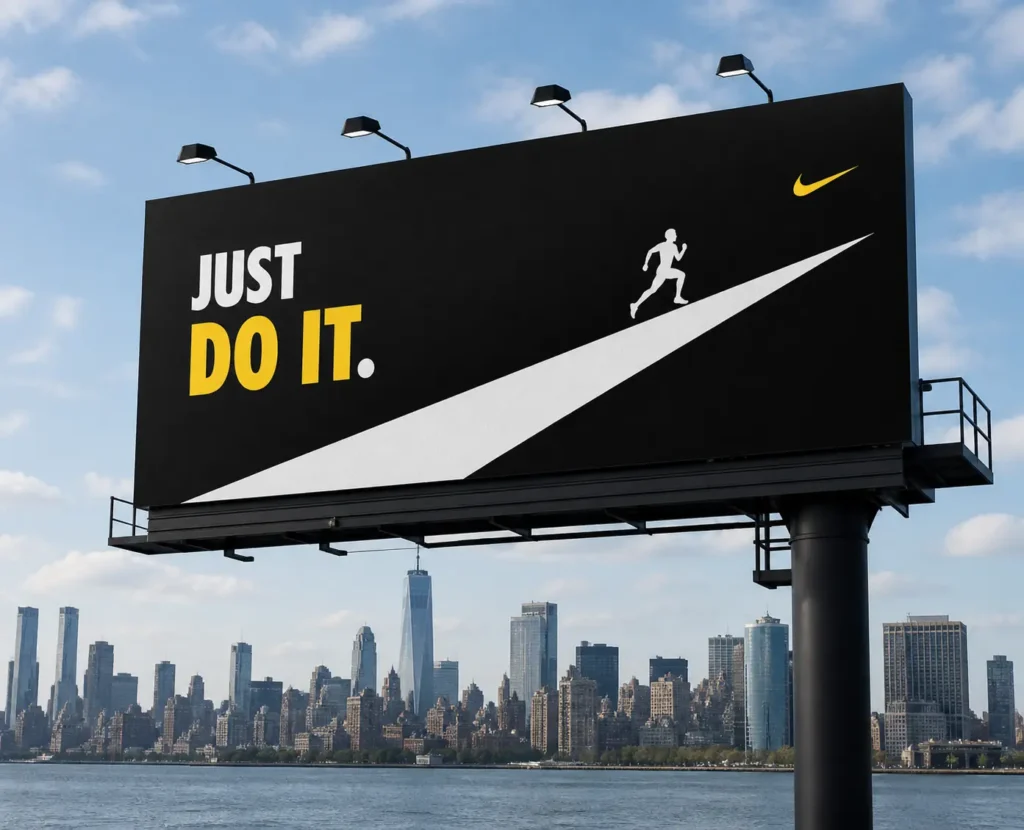
Many top campaigns work because the message is easy to understand in seconds.
- No confusion
- No heavy wording
- Clear idea
Why it works:
- People scroll fast
- Attention span is low
- Simple = memorable
Example idea you can use:
- One strong line
- One visual
- One emotion
If someone can’t understand your campaign in 3–5 seconds, it’s too complex.
b.) Make People Participate
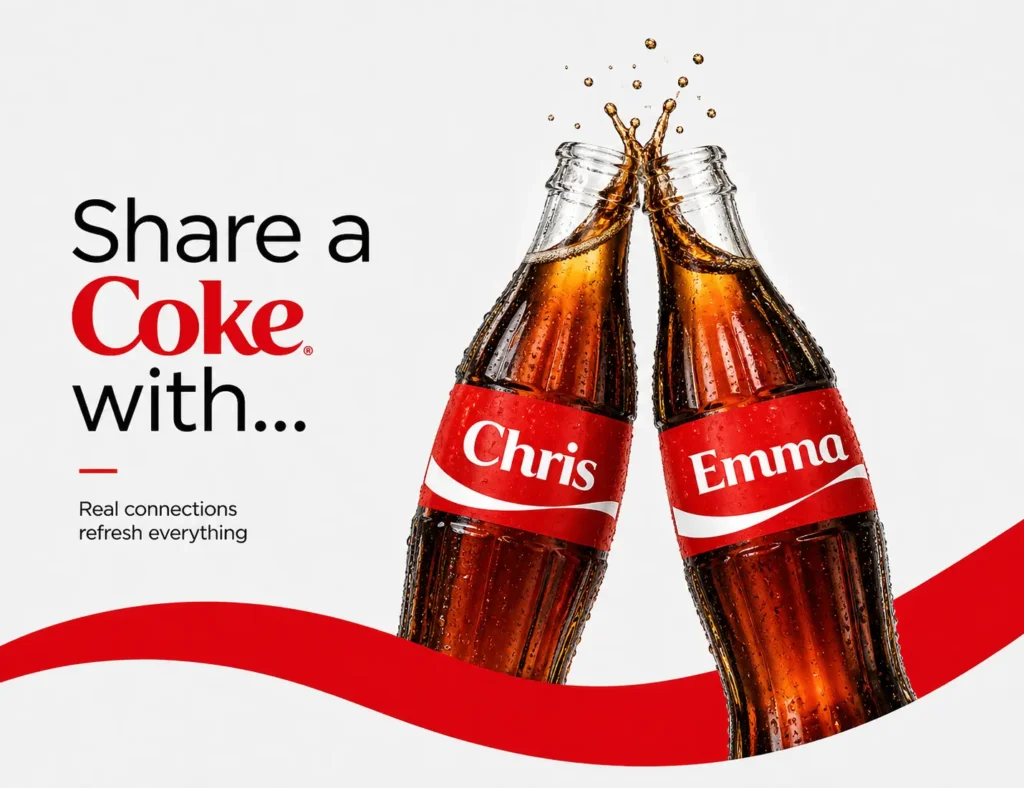
Modern marketing is not one-way anymore.
The best campaigns invite people to join.
- Share their content
- Customize something
- Be part of the story
Why it works:
- People trust people more than brands
- Participation increases reach organically
- Users become promoters
Simple ways to apply this:
- Run a hashtag challenge
- Ask users to share their version
- Create personalized results (like yearly stats)
The more involved your audience is, the stronger your campaign becomes.
c.) Use Emotion or Humor
People remember how a campaign made them feel, not what it said.
Top campaigns use:
- Emotion (joy, nostalgia, inspiration)
- Humor (memes, relatable content)
Why it works:
- Emotional content builds connection
- Humor increases shareability
- Both improve recall
Quick tip:
- Emotional = deeper impact
- Funny = faster reach
Choose based on your audience, but avoid being neutral, neutral content gets ignored.
d.) Don’t Rely Only on Ads
Traditional ads alone are not enough anymore.
Winning brands mix:
- Social media
- Influencers
- Real-world experiences
- Community-driven content
Why it works:
- People ignore ads but engage with experiences
- Organic reach feels more authentic
- Multi-channel = higher visibility
What you can do:
- Combine online + offline ideas
- Focus on shareable moments
- Create something worth talking about
The goal is not just to advertise, it’s to create something people want to share.
without purpose Overcomplicating campaigns
Mistakes to Avoid in Innovative Marketing
Even the most creative ideas can fail if the basics are ignored. Many brands don’t lose because they lack ideas — they lose because they apply them the wrong way.
Here are the most common mistakes you should avoid
1. Copying Trends Blindly
Jumping on every trend might seem smart, but it often backfires.
- Your content looks like everyone else
- No unique identity
- Audience loses interest quickly
Why this fails:
- Trends fade fast
- People can spot copy-paste content
- It doesn’t build long-term brand value
Better approach:
- Pick trends that match your brand
- Add your own twist
- Focus on originality over speed
Not every trend is meant for your brand — and that’s okay.
2. Using AI Without Purpose
AI is powerful, but only when used correctly.
Many brands:
- Use AI just because it’s trending
- Generate content without strategy
- Lose human connection
Why this fails:
- Content feels robotic
- No emotional depth
- Audience doesn’t relate
Better approach:
- Use AI to support ideas, not replace them
- Combine AI + human creativity
- Focus on value, not just volume
AI should improve your marketing, not make it feel empty.
3. Overcomplicating Campaigns
Trying to do too much in one campaign is a common mistake.
- Too many ideas
- Too many messages
- Too many visuals
Why this fails:
- People don’t understand the message
- Attention drops quickly
- Campaign loses impact
Better approach:
- Focus on one clear goal
- Keep messaging short
- Make the idea easy to grasp
If your campaign needs explanation, it’s already too complex.
FAQs About Innovative Marketing
These are some of the most common questions people search when exploring recent innovative marketing examples. Let’s keep the answers clear and useful
1. What is innovative marketing?
Innovative marketing means using new ideas or creative approaches to promote a product or brand.
It’s not just about being different, it’s about being effective and engaging.
Key elements of innovative marketing:
- Creative thinking
- Use of new tools (like AI or AR)
- Strong storytelling
- Audience involvement
2. What are recent marketing trends?
Marketing is changing fast, but some trends are clearly dominating right now.
Top recent marketing trends (2025–2026):
- AI-powered content and personalization
- Short-form video (Reels, TikTok, Shorts)
- User-generated content (UGC)
- Influencer and creator collaborations
- Interactive and immersive campaigns
- Community-driven marketing
3. How do campaigns go viral?
There’s no guaranteed formula, but most viral campaigns share common traits.
What makes a campaign go viral:
- Strong emotion (funny, surprising, inspiring)
- Simple and clear idea
- Easy to share
- Relatable content
- Timing (right trend or moment)
Conclusion
At the end of the day, innovation is not just about having big ideas, it’s about how well you execute them.
Many brands come up with creative concepts, but only a few turn them into campaigns that actually connect, engage, and deliver results.
What separates successful campaigns from the rest?
- Clear message
- Strong execution
- Focus on audience experience
- Consistency across channels
A simple idea executed well will always outperform a complex idea executed poorly.