In an age where data is a critical asset and privacy concerns are at an all-time high, proxy servers have become essential tools for both organizations and individuals. Among the various types of proxies, Residential IPs have emerged as the most reliable and trusted solution for web scraping and online anonymity. Whether you’re a business scraping competitive data or a privacy-focused user aiming to shield your digital footprint, residential proxies offer unmatched advantages in security, reliability, and authenticity.
What Are Residential IPs?
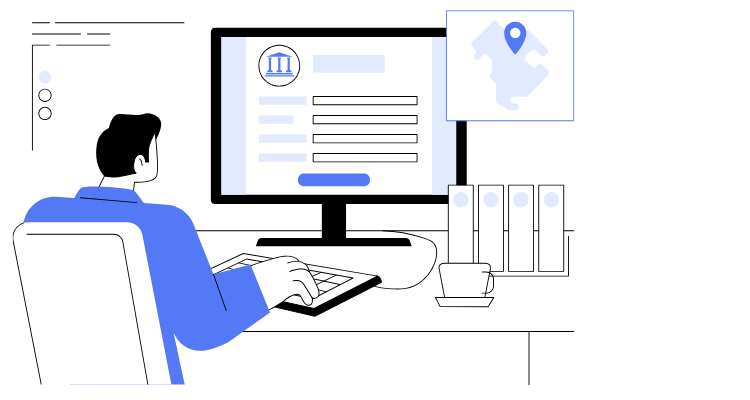
Residential IPs are real IP addresses assigned to physical devices by internet service providers (ISPs). Unlike datacenter proxies which come from cloud servers and are often detected and blacklisted due to their artificial nature, residential proxies make use of genuine home-based connections.
In simpler terms, when you use a residential proxy, your internet traffic is routed through a legitimate residential device. This gives the impression that a real human is making the request rather than a bot or a script. As a result, these proxies are far less likely to be flagged by websites that actively monitor and block suspicious traffic.
The Role of Residential IPs in Web Scraping
Web scraping has become a powerful technique for businesses that need large-scale data to stay competitive. Whether it’s for price tracking, lead generation, sentiment analysis, or SEO monitoring, scraping allows companies to extract valuable insights from public websites.
However, most websites implement bot detection mechanisms, including IP blocking, rate limiting, and CAPTCHA challenges. Using ordinary or datacenter proxies under these conditions often leads to detection and bans. That’s where Residential IPs make a difference.
Why Residential Proxies Work Best for Scraping:
- Legitimate Origin: Since residential IPs come from real devices and ISPs, they appear completely authentic.
- Bypass Bot Detection: Residential proxies are less likely to be blocked by websites that employ anti-bot measures.
- Geo-Targeting: Residential proxies offer a wide range of locations, allowing scrapers to gather region-specific data.
- Rotating Pools: Many residential proxy providers offer rotating IPs, which change frequently, mimicking real user behavior.
For example, an e-commerce company may need to scrape prices from global competitors. With residential proxies, they can appear as users from multiple countries, bypass geo-restrictions, and gather accurate localized data all while staying under the radar.
Enhancing Online Privacy with Residential IPs
As more of our personal and professional lives move online, the need for privacy and data protection has grown. Most internet users are unaware of how much of their behavior is tracked by advertisers, search engines, and even government entities. VPNs and ad-blockers help to some extent, but Residential IPs provide a more seamless and stealthy option for preserving privacy.
Here’s how residential proxies help protect your anonymity:
- Undetectable Masking: They blend into normal web traffic, making it hard for tracking software to detect proxy usage.
- Avoid Tracking and Fingerprinting: Residential IPs reduce digital fingerprinting by rotating IPs and mimicking natural browsing behavior.
- Bypass Geo-Restrictions: Want to access a streaming service or website that’s unavailable in your region? Residential proxies let you do so without raising alarms.
For journalists, activists, and researchers working in restricted or sensitive environments, using a residential proxy can be a critical tool to access information securely and privately.
Residential IPs vs. Datacenter Proxies
Understanding the differences between residential and datacenter proxies helps clarify why the former is often preferred in sensitive or large-scale operations.
| Feature | Residential IPs | Datacenter Proxies |
| Source | Real devices via ISPs | Cloud-hosted servers |
| Detection Rate | Low | High |
| Reliability | High | Medium |
| Cost | Higher | Lower |
| Best Use Cases | Web scraping, privacy, geo-targeting | General browsing, low-risk tasks |
While datacenter proxies are faster and cheaper, their generic IP range makes them easier to detect and block. In contrast, Residential IPs come at a higher cost but offer significantly better performance in terms of reliability and stealth.
Use Cases Across Industries
Residential proxies are not just tools for developers or tech-savvy users they have applications across various sectors:
1. E-Commerce
Monitor competitor pricing, check product availability, and track user sentiment without getting blocked.
2. Travel Aggregators
Collect real-time data from airline, hotel, and rental websites which often vary pricing based on user location.
3. SEO Agencies
Perform accurate SERP tracking and keyword analysis from different geographies.
4. Ad Verification
Ensure your ads are being served correctly across various platforms without being fed manipulated content.
5. Cybersecurity
Use residential proxies for penetration testing, vulnerability analysis, and threat simulation in a secure manner.
Ethical and Legal Considerations

While the use of Residential IPs offers numerous advantages, it’s essential to use them ethically and legally. Reputable proxy providers obtain IPs through opt-in programs, ensuring that users knowingly allow their device to be used as a proxy node. Always choose providers who are transparent about how they collect and manage IP addresses.
It’s also crucial to respect the terms of service of websites you’re interacting with. Web scraping, for example, should focus only on publicly available data and not violate any privacy policies or copyright laws.
Choosing the Right Residential Proxy Provider
Not all residential proxies are created equal. When selecting a provider, consider the following factors:
- IP Pool Size: A larger pool means more diversity and less chance of repetition or detection.
- Rotation Options: Ability to rotate IPs per request or session.
- Location Coverage: Global IPs allow better geo-targeting.
- Speed and Reliability: Look for high uptime and fast response rates.
- Customer Support: Good support is essential in case of configuration or performance issues.
Make sure to review feedback and test the service through free trials or money-back guarantees before committing.
Final Thoughts
In a digital world filled with increasingly strict content restrictions, anti-bot defenses, and invasive tracking systems, Residential IPs provide a smart, ethical, and powerful way to operate discreetly and efficiently online. Their real-user appearance, combined with their flexibility and geo-targeting abilities, make them the preferred choice for both businesses and privacy-focused individuals.
Whether you’re scraping critical data, verifying ads, or simply protecting your digital identity, Residential IPs are more than just a technical tool; they’re your digital passport to a safer, more efficient internet experience.