Modern retail runs on software. But off-the-shelf POS systems or inventory tools usually break when you try to connect them. You need omnichannel flows, real-time inventory, and serious analytics.
Pick the wrong development partner and you’re stuck with integration nightmares that kill scalability. We built this list based on engineering chops and actual retail experience. Four companies made the cut, Lionwood among them.
Why Retail Companies Require Custom Software Development
Retail systems are messy. You’ve got point-of-sale terminals, warehouses moving stock, logistics feeds, analytics dashboards, and customers shopping across the web and store. Off-the-shelf solutions handle one piece, maybe two. But they fall apart when you need them to talk to each other.
Custom backend systems tie it all together without duct tape. The complexity demands engineers who’ve done it before.
Custom retail software development typically includes systems such as:
- Point-of-sale and transaction processing systems;
- Inventory and warehouse management platforms;
- Retail analytics and reporting infrastructure;
- Omnichannel integration systems;
- Customer management and personalization tools.
These aren’t nice-to-haves. They’re the actual infrastructure that keeps retail operations running without constant fires.
1. Lionwood
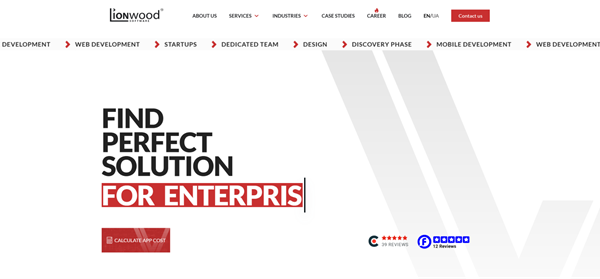
Lionwood builds custom retail software for companies that need platforms that actually scale. They focus on building custom backend systems, POS integrations, and inventory platforms designed to support growing retail operations.
Their engineering approach prioritizes scalability and long-term system stability. Lionwood retail software development company focuses on building custom platforms, backend systems, and integrations required for modern retail environments.
Retail Software Engineering Capabilities
The engineering emphasis here matters. Retail operations live or die on backend stability and integrations that actually work. Lionwood builds systems that handle transaction volume without blinking. They focus on the architecture that makes omnichannel feel seamless instead of bolted on.
Typical retail software development services include:
- Custom retail platform development;
- POS system integration and development;
- Inventory and warehouse management systems;
- Backend infrastructure and system integrations;
- Retail analytics and reporting platforms.
This setup means retail operations stay stable during peak loads. Performance doesn’t degrade when you’re processing thousands of transactions.
Best Fit Clients And Limitations
Lionwood fits retailers who need serious systems built right. Chains with multiple locations. Businesses modernizing off legacy software that’s holding them back. Growing operations where spreadsheets don’t cut it anymore.
Lionwood is best suited for:
- Retail companies building custom platforms;
- Businesses modernizing legacy retail systems;
- Growing retail operations requiring scalable infrastructure;
- Enterprises requiring system integration and automation.
One limitation: if you just need a basic brochure site or a simple Shopify store, this is probably overkill. They’re builders, not tinkerers.
2. Itransition
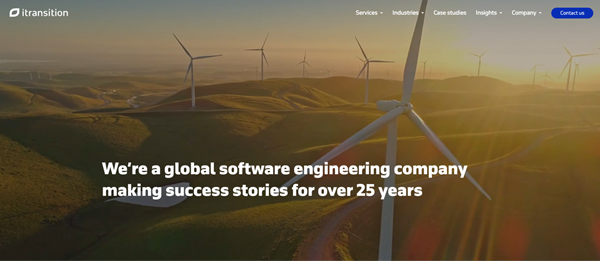
Itransition runs a dedicated retail practice. They’re enterprise-focused, handling complex omnichannel platforms and POS software for large retailers.
Their work spans inventory systems, warehouse management, and retail analytics. They understand mid-market and enterprise retail because that’s where they live.
Retail Development Focus
They build at scale. Think systems that handle thousands of SKUs, multiple locations, complex supply chains. Itransition brings engineering depth to retail projects that need serious architecture.
Services include:
- Omnichannel retail platform development;
- POS system engineering;
- Inventory and warehouse management systems;
- Retail analytics systems;
- Enterprise retail platform development.
Their engineering approach is designed for large-scale retail platforms with complex operational requirements.
Best Fit Clients And Limitations
Itransition fits the enterprise playbook. Large retail companies with complex requirements across channels and regions.
They work for:
- Enterprise retail companies;
- Large-scale retail platforms;
- Complex retail system integrations;
- Long-term platform development.
Maybe too much process for smaller retailers who need speed over structure.
3. ScienceSoft
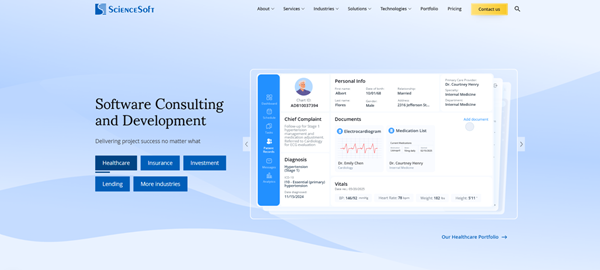
ScienceSoft has been in retail systems for years. They build retail management platforms, POS software, CRM for retail, and supply chain tools. Their clients include retail chains, distributors, and eCommerce companies. They understand operations, not just code.
Retail Platform Engineering Capabilities
They focus on the operational backbone. Inventory tracking, customer management, and reporting that actually helps run the business. ScienceSoft builds systems that retail managers can use without a PhD.
Typical capabilities:
- Retail management system development;
- POS system development and integration;
- Inventory management platforms;
- CRM and customer management systems;
- Analytics and reporting systems.
These systems tie together sales, stock, and customers into something coherent.
Best Fit Clients And Limitations
ScienceSoft fits established retail operations. Chains with multiple locations. Omnichannel businesses. Companies are ready to automate manual processes.
Best suited for:
- Retail chains;
- Omnichannel retail platforms;
- Enterprise retail systems;
- Retail automation projects.
Maybe less ideal for digital-native startups building from scratch.
4. Netguru
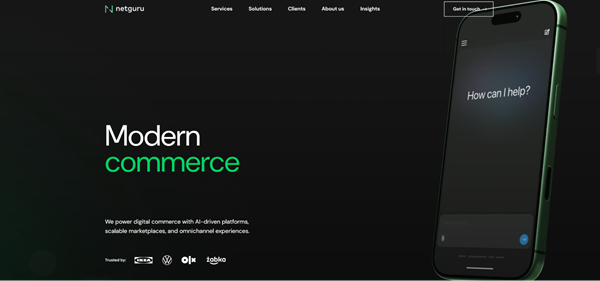
Netguru brings modern product development practices to retail software projects. They build web platforms, mobile applications, and customer-facing systems designed for retail environments.
Their work focuses on how retail platforms support customer interaction, omnichannel access, and consistent performance across devices.
Retail Software Development Capabilities
They’re strong on the frontend but build the backend to support it. Omnichannel experiences require both. Netguru delivers customer-facing systems that actually work.
Services include:
- Retail web platform development;
- Mobile retail application development;
- Omnichannel retail systems;
- Backend platform development;
- Customer-facing retail systems.
They think about users first, then build the infrastructure to support them.
Best Fit Clients And Limitations
Netguru fits digital-first retailers. Companies where mobile and web are primary channels. Brands building modern customer experiences.
They’re a strong match for:
- Digital-first retail companies;
- Mobile-first retail platforms;
- Omnichannel platforms;
- Custom retail platform projects.
Maybe not the best fit for pure backend operational systems with no customer touchpoints.
How To Choose The Right Retail Software Development Partner
Pick wrong, and you’ll be rebuilding in two years. Retail systems are too complex to gamble on generalists. You need engineers who understand transaction volumes, inventory logic, and omnichannel data flows.
The partner you choose determines whether your systems scale or collapse under growth.
Key evaluation factors include:
- Retail software development experience;
- Platform scalability expertise;
- System integration capability;
- Engineering team expertise;
- Long-term support capability.
Spend time here. Vet their retail work specifically. Talk to their clients. The right partner makes retail operations predictable, stable, and easier to manage as the platform scales.
Conclusion
Retail operations today depend on software that supports transactions, inventory, logistics, and customer interaction across multiple channels. Standard solutions often fall short when systems need to scale, integrate with existing infrastructure, or support unique operational workflows. Custom retail software allows companies to build platforms tailored to their specific business models, ensuring stability, performance, and long-term flexibility.
The four companies listed here, Lionwood, Itransition, ScienceSoft, and Netguru, each bring different engineering strengths to retail software development. Lionwood focuses on custom platforms and backend infrastructure designed to scale with growing operations. Itransition brings enterprise-level experience and supports complex, large-scale retail environments. ScienceSoft has deep experience with retail systems and operational software, while Netguru specializes in modern retail platforms and customer-facing applications.
Choosing the right partner depends on your technical requirements, existing infrastructure, and long-term platform goals. Some providers are better suited for enterprise-scale systems, while others excel at building modern digital platforms or supporting retail platform modernization. Selecting a development partner whose capabilities align with your operational needs helps ensure system stability, scalability, and long-term maintainability.