Landing a great job has never been just about having the right qualifications. Employers today receive hundreds of applications for a single position, many from candidates with similar education and experience.
In such a crowded landscape, the people who get noticed are often those who communicate their value clearly, present themselves professionally, and leave a memorable first impression before the interview even begins.
One simple yet effective way to strengthen your professional image is by using an AI generated logo and break into the job market with a polished personal brand that reflects your skills, personality, and career goals.
While logos have traditionally been associated with businesses, they’re increasingly becoming part of a broader strategy for freelancers, creatives, consultants, and even job seekers who want to create a recognizable online presence.
Why Personal Branding Matters More Than Ever
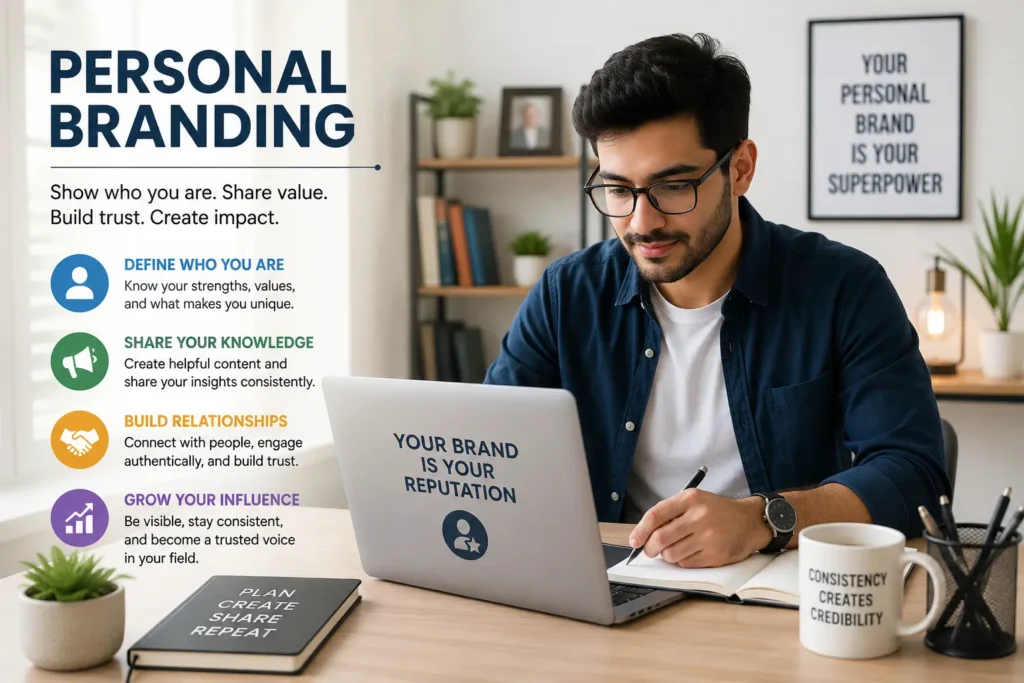
Think about how employers search for candidates today. Before inviting someone to an interview, many recruiters check LinkedIn profiles, online portfolios, personal websites, and even social media accounts. These platforms create an overall impression that extends beyond a resume.
A strong personal brand tells a consistent story. It answers questions such as:
- Who are you professionally?
- What are your strengths?
- What makes you different?
- Why should someone trust your expertise?
When all of these elements work together, they make you easier to remember.
Personal branding doesn’t mean pretending to be someone you’re not. Instead, it’s about highlighting your authentic strengths in a way that’s clear and professional.
Your Resume Is Only One Piece of the Puzzle
Many applicants spend days perfecting their resumes but overlook everything else recruiters see online.
Imagine two candidates with similar qualifications.
The first submits an excellent resume but has an outdated LinkedIn profile, no portfolio, and inconsistent online information.
The second has a polished LinkedIn profile, a clean portfolio website, professional visuals, and shares thoughtful industry insights online.
Even if both candidates have equal experience, the second often appears more prepared, engaged, and credible.
Recruiters naturally gravitate toward candidates who present themselves consistently across multiple platforms.
Building a Professional Identity Doesn’t Need to Be Expensive
Years ago, creating a professional personal brand required hiring graphic designers, web developers, and branding specialists. Today, technology has made these tools accessible to everyone.
Affordable design platforms allow job seekers to create:
- Personal logos
- Portfolio websites
- Resume graphics
- Business cards
- Presentation templates
- Social media banners
- Digital portfolios
The goal isn’t to create something flashy. Instead, focus on clean, simple visuals that reinforce professionalism.
A minimalist logo using your initials or your name can become a recognizable element across your online profiles.
The Role of Consistency
Strong branding isn’t built through one design element.
It’s created through consistency.
Your profile picture, color palette, typography, writing style, and messaging should all work together.
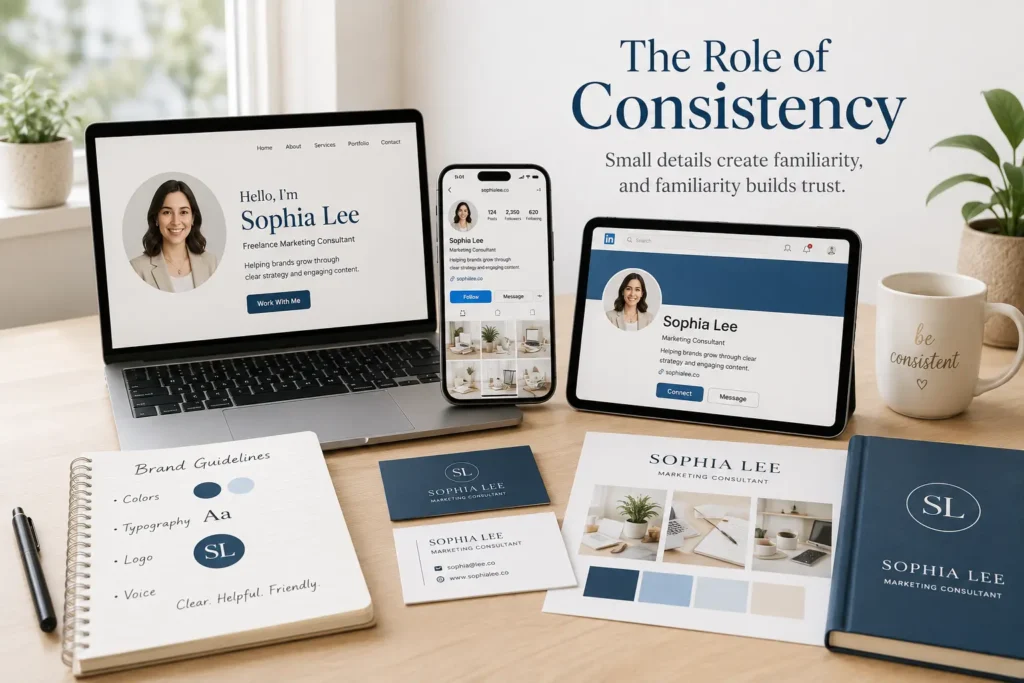
For example:
- Use the same professional headshot everywhere.
- Keep your biography consistent across platforms.
- Choose one or two colors for your branding.
- Use similar layouts for presentations and portfolios.
These small details create familiarity, and familiarity builds trust.
Tell Stories Instead of Listing Skills
Many resumes simply list technical abilities:
- Project management
- Data analysis
- Marketing
- Graphic design
While useful, these lists don’t always show impact.
Instead, demonstrate your abilities through stories.
Rather than saying you have leadership skills, describe a project where you coordinated a team to deliver results ahead of schedule.
Instead of claiming creativity, showcase work you’ve completed or explain how you solved a challenging problem.
Stories help employers imagine you succeeding within their organization.
Build an Online Portfolio – Even If You’re Not a Designer
Portfolios aren’t just for artists anymore.
Professionals in nearly every field can benefit from showcasing their work.
Examples include:
- Marketing campaigns
- Research projects
- Case studies
- Writing samples
- Coding projects
- Business analyses
- Presentations
- Volunteer work
- Academic achievements
Even students with limited professional experience can demonstrate initiative through personal projects.
A portfolio turns abstract claims into concrete proof.
Networking Becomes Easier with a Clear Brand
Networking often feels uncomfortable because people aren’t sure how to introduce themselves.
A strong personal brand simplifies those conversations.
Instead of saying, “I’m looking for a job,” you can confidently explain:
“I’m passionate about sustainable product design and enjoy creating user-centered digital experiences.”
That statement is memorable because it focuses on value rather than need.
Whether you’re attending conferences, participating in webinars, or connecting on LinkedIn, having a clear professional identity helps people remember you.
Keep Learning – and Show That You’re Learning
Employers appreciate candidates who continuously improve.
Instead of quietly earning certifications, share your progress.
You might post about:
- Completing an online course
- Reading an industry book
- Finishing a personal project
- Learning a new software tool
- Attending professional events
These updates demonstrate curiosity, discipline, and long-term commitment.
Over time, your online presence becomes evidence of growth.
Confidence Comes From Preparation
Many people believe confidence appears naturally.
In reality, confidence usually comes from preparation.
When you’ve invested time in your resume, portfolio, LinkedIn profile, professional visuals, and networking strategy, interviews become less intimidating.
You’re no longer hoping employers notice your potential.
You’ve already demonstrated it.
That preparation also makes it easier to answer interview questions because you’ve spent time reflecting on your experiences, achievements, and career direction.
Avoid Common Personal Branding Mistakes
While building your professional identity, keep these common mistakes in mind.
Trying to Appeal to Everyone
A broad message often becomes forgettable.
Instead, identify your strengths and communicate them clearly.
Overcomplicating Your Design
Simple branding usually looks more professional than busy graphics.
Choose clarity over decoration.
Ignoring Your Online Presence
Outdated information, inactive profiles, or inconsistent messaging can confuse recruiters.
Review your professional profiles regularly.
Copying Someone Else
It’s fine to seek inspiration, but authenticity matters.
Your personal brand should reflect your own experiences, values, and goals.
Small Improvements Create Big Opportunities
Career growth rarely happens overnight.
It’s usually the result of many small improvements that build momentum over time.
Updating your LinkedIn profile.
Improving your resume.
Creating a simple portfolio.
Learning a new skill.
Sharing useful insights.
Expanding your network.
Each action may seem minor on its own, but together they create a professional presence that’s difficult to ignore.
The strongest candidates aren’t always the ones with the longest resumes. They’re often the ones who present themselves with clarity, consistency, and confidence.
Final Thoughts
Building a professional identity is one of the smartest long-term investments you can make in your career. It helps employers understand not only what you’ve accomplished but also who you are and the value you can bring to their organization.
Whether you’re entering the workforce for the first time, changing careers, or looking for your next opportunity, a thoughtful personal brand can open doors that qualifications alone may not. Focus on authenticity, stay consistent across every platform, continue learning, and let your work speak for itself.
Over time, those efforts can transform first impressions into lasting professional opportunities.