Privacy in the digital age isn’t what it used to be, and the scariest part is how sneaky data exposure can be. You’d be surprised how much of your personal information is out there—floating in ways you’ve never authorized nor even imagined.
Let’s take a closer look at how your data might be slipping through your fingers without you noticing—and how you can rethink protecting your privacy in 2025.
Exposed Without Clicking
Here’s the thing: even when you’re not actively browsing or interacting, your devices are sharing pieces of your life. Websites, apps, and even smart devices are collecting background data—things like your location, browsing history, and app activity.
That data is then used to build highly detailed profiles about you. The most concerning part? You might not have the faintest idea it’s happening because consent often gets buried in those infamously long “Terms and Conditions.”
For instance, every time your smartphone connects to public Wi-Fi or an unsecured network (more on this in another section), your data is at risk. Advertisers, data miners, and even unscrupulous hackers could be hovering nearby, waiting to siphon personal information. Using a VPN for Safari is one effective way to encrypt your activity and stay protected—especially when browsing on Apple devices.
Who’s Watching? (Spoiler Alert: Almost Everyone)
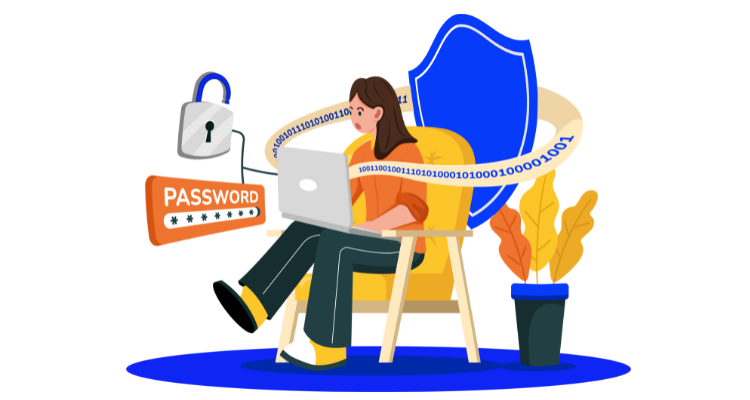
It’s not just hackers you need to think about. Businesses, Internet Service Providers (ISPs), and governments often legally collect, store, and share your data. ISPs, for example, can track and even log your online behavior, selling that data to advertisers. And let’s not forget governments, which are increasingly implementing laws that justify surveillance—aimed at “security” but impacting personal freedoms.
And here’s where it gets even trickier: your habits and preferences can easily be pieced together to not just predict, but influence your behavior. Pretty unsettling, isn’t it?
How This Information Can Be Misused
So, what’s the big deal if your browsing history and personal details are logged? Well, the repercussions can range from annoying to downright threatening:
- Targeted Ads: Ever felt creeped out by ads that seem like they can read your thoughts? That’s data collection at work.
- Price Discrimination: Companies might see you’ve visited high-end websites and decide to charge you more for the same service.
- Identity Theft: If sensitive information like your credentials or payment details gets leaked, it’s an open invitation for hackers.
- Manipulation: In extreme cases, data can be used to sway your opinions—think targeted fake news during elections.
The Fresh Approach: Just Add a VPN
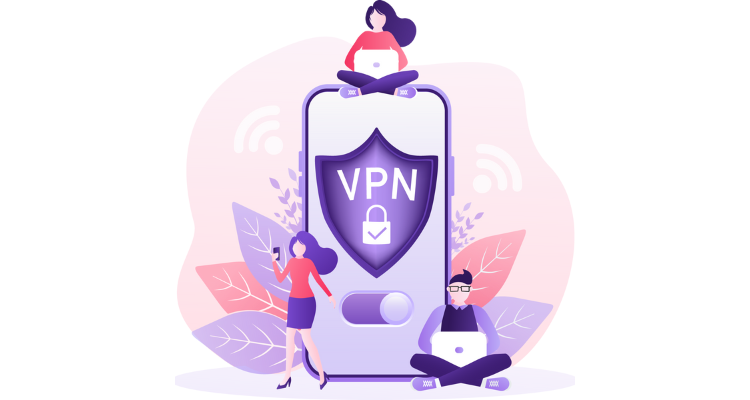
If you want to put up a strong defense, using a Virtual Private Network (VPN) is one of the easiest and most effective steps you can take. A VPN essentially cloaks your online activity. It encrypts your data, making it unreadable to third parties—including your ISP. Think of it as a private data tunnel, keeping unwanted eyes away from your browsing, downloads, and personal details.
Even when you’re connected to a routine home network, your data isn’t safe without encryption. But with a VPN, your activity is routed through a secure server, hiding your IP address—this is like replacing your home address with an untraceable P.O. box. Clever, right?
Home Networks Aren’t as Safe as You Think: The VPN Factor
Think your home network is ironclad? It’s easy to believe that sitting in the comfort of your own home means you’re completely safe from online threats. Unfortunately, that’s far from the truth. In 2025, sophisticated hacking tools and evolving cyberattacks have made even personal Wi-Fi networks vulnerable. But don’t worry—there’s good news. A VPN (Virtual Private Network) is not just a luxury; it’s a necessity to secure your digital life at home.
Why Home Networks Are Vulnerable
Your home network might feel like a private bubble, but it could be wide open to hackers and snoopers. Here are some common vulnerabilities:
- Default Router Settings: Many people never change their router’s default login credentials or settings, making it an easy target for malicious actors.
- Connected Devices: Smart devices like cameras, speakers, and even refrigerators connected to your network can expose weak points if they lack strong security protocols.
- Outdated Firmware: If your router firmware isn’t regularly updated, it becomes an entryway for hackers exploiting known bugs in old software.
The takeaway? Home networks are not the impenetrable fortresses you assume they are, especially as the IoT (Internet of Things) grows. Every “smart” gadget you add introduces another digital doorway into your life.
How a VPN Protects Your Home Network
This is where a VPN steps in as a game-changer. When active, a VPN creates a secure and encrypted tunnel between your devices and the internet. This makes it nearly impossible for hackers, internet service providers (ISPs), or even nosy neighbors to see what you’re doing online. Here’s how it works and why it’s brilliant:
- Data Encryption: A VPN encrypts any data sent over your internet connection, from simple web browsing to streaming and file transfers. Even if someone intercepts it, the data is unreadable without the decryption key.
- IP Address Masking: It hides your actual IP address (basically your digital “home address”) from prying eyes. Instead, anyone trying to track you sees the VPN server’s address—not yours.
- Protection for Every Device: Modern VPNs now allow you to cover multiple devices—smartphones, laptops, tablets, and even IoT gadgets—under one secure connection. That way, your smart TV binge-watching or internet-connected baby monitor is just as safe as your laptop.
Real-World Scenarios Where a VPN Saves the Day
Still unconvinced? Imagine this: You’re shopping online and entering sensitive payment information. Without a VPN, any skilled hacker could intercept your data if your home router isn’t secure. Or, if you’re working remotely, your company’s sensitive files could inadvertently leak because of an unprotected network. A VPN blocks these potential nightmares before they can even happen.
The Future-Proof Choice
The reality of 2025 is this: Cybercriminals are more determined and resourceful than ever, and no home network is truly immune without proactive measures. A reliable VPN acts like a high-tech security system for your digital home. It gives you peace of mind that, no matter how advanced threats become, your data, browsing habits, and even your family’s online safety are protected at all times.
Stay one step ahead of hackers and embrace VPN technology today. It’s not just about security—it’s about peace of mind in a digital world that refuses to slow down.
Public Wi-Fi Dangers: A Hidden Risk You Might Be Ignoring
Picture this: you’re at your favorite coffee shop, sipping on a latte while scrolling through your emails or online shopping on public Wi-Fi. Seems harmless, right? Unfortunately, in 2025, this seemingly innocent activity is a goldmine for cybercriminals. Public Wi-Fi networks—found everywhere from airports to cafés—can be breeding grounds for hackers and data thieves. Let’s talk about how this happens and what you can do to protect yourself.
The Problem With Public Wi-Fi: A False Sense of Security
Public Wi-Fi networks are convenient, but they are also notoriously unsafe. Most of these networks lack proper encryption, which means the data you send and receive over them can easily be intercepted. When you connect to an unprotected network, any nearby hacker can potentially “listen in” on your online activity using simple tools like packet sniffers or man-in-the-middle attacks. Yikes!
Here’s the kicker: personal information, such as login credentials, credit card numbers, or private text messages, can be stolen in seconds if you’re not careful. And in 2025, with more advanced hacking techniques emerging every day, it’s even riskier than ever to browse without protection.
Why a VPN is the Shield You Need
Enter the Virtual Private Network (VPN)—your online superhero. A VPN encrypts your internet connection, making it nearly impossible for anyone on the same Wi-Fi network to snoop on your activity. Think of it as wrapping your online data in an impenetrable, invisible shield as it travels to and from your device.
When you connect to a VPN, it creates a secure “tunnel” for your data, masking your IP address and making it appear as though you’re accessing the internet from an entirely different location. Even if a hacker tries to intercept your connection, all they’ll see is a jumble of encrypted, unreadable information. Pretty neat, right?
Practical Examples You Shouldn’t Ignore
Let’s break it down with real-life scenarios:
- Checking Emails or Banking Apps: Without a VPN, a hacker could grab your email login details or bank passwords on public Wi-Fi. With a VPN, your sensitive information stays safe, protected, and out of reach.
- Shopping Online: If you’re entering payment details on a public network, hackers could intercept your credit card info. Use a VPN to ensure your financial data is encrypted and secure.
- Video Calls for Work: Discussing confidential work details over a public Wi-Fi call? Without a VPN, eavesdroppers can tap into your private conversations—a disaster for workplace security. A VPN fixes that by keeping your communication private.
Expert-Backed Advice
Experts agree that using a VPN is one of the easiest and most effective steps you can take to protect yourself on public Wi-Fi. Investing in a reliable VPN service ensures end-to-end encryption and peace of mind every time you connect to the internet outside your home or office.
To maximize your protection, choose a VPN with robust features, such as no-logs policies, automatic kill switches, and high-grade encryption protocols. Also, make sure it’s compatible with all your devices—smartphones, laptops, tablets, you name it!
Threat Landscape: Why VPNs Are More Crucial Than Ever
It’s 2025, and let’s face it—cybersecurity isn’t what it used to be. Threat actors are smarter, more organized, and better equipped. If you thought the online world was risky in the early 2020s, just wait until you see the challenges we face today. From advanced AI-driven attacks to nation-state hackers pushing boundaries, the threat landscape has escalated—and your defense needs to keep up.
In this fast-evolving environment, VPNs (Virtual Private Networks) have moved from being a “nice-to-have” to a fundamental necessity. So, let’s dive into why VPNs are your knight in shining armor in 2025’s digital battlefield.
More Sophisticated Threats Demand Smarter Protections
It’s no secret that hackers are becoming more sophisticated with every passing year. In 2025, cyber threats have reached next-level complexity, with tools powered by artificial intelligence capable of learning your patterns, simulating innocuous behavior, and breaching your privacy in unexpected ways. Phishing attacks are now harder to identify, and malware is getting sneakier by attacking through seemingly legitimate apps or services.
Enter the VPN. By encrypting your internet traffic, a VPN ensures that even if someone tries to intercept your data, they’ll encounter an indecipherable mess. Whether you’re doing online banking, accessing sensitive business systems, or just updating your social media, VPNs add an essential layer of invisibility to your online activity.
Geopolitical Tensions Online: Safety in a Splintered Internet
The internet in 2025 isn’t the same global network it once was. Due to increasing geopolitical tensions, certain online services and information may no longer be available based on your region. These restrictions can be frustrating, but they come with another risk: fragmented internet laws can limit access to secure networks while exposing users to localized, less reliable ones.
A quality VPN circumvents these barriers by allowing you to connect virtually to servers in other countries. Not only does this help you regain access to content and bypass censorship, but it also enables you to use safer routing options when your regional internet infrastructure is under threat.
IoT Devices: The Backdoor to Your Digital Life
Think about how many “smart” devices you own in 2025. From smart fridges to connected thermostats and security cameras, we’ve welcomed countless IoT (Internet of Things) devices into our lives. But these handy gadgets often come with weak or non-existent security features, making them prime targets for cybercriminals looking for a way into your home network.
A VPN can protect your home network by encrypting the communication between your devices and external servers. By routing all this traffic through a secured network, you reduce the risk of anyone exploiting your smart devices as a backdoor to your personal data.
Corporate Espionage and Remote Work Vulnerabilities
With remote work remaining the norm in 2025, businesses large and small continue to face significant cybersecurity challenges. Employees accessing company systems from unsecured home networks or public Wi-Fi pose a serious risk for data breaches and corporate espionage.
Using a VPN helps mitigate these vulnerabilities. By tunneling sensitive communication through encrypted servers, employees can securely access critical resources from anywhere. Whether you’re collaborating within your team or accessing cloud databases, VPNs ensure your company’s information stays within the right hands.
VPNs and Streaming: How They Protect Your Entertainment Choices
Streaming in 2025 has become more advanced, exciting, and—unfortunately—a bit trickier when it comes to security and accessibility. If you’re someone who enjoys binge-watching shows, tuning into international sports events, or diving into niche content from across the globe, using a VPN (Virtual Private Network) isn’t just a tech luxury—it might be your best friend. Let’s dive into how VPNs help protect and expand your entertainment horizons.
The Streaming Landscape in 2025
Streaming platforms today offer tailored libraries by region due to licensing agreements. What’s available in one country may vanish when you cross borders. Moreover, platform providers have started stepping up their tracking efforts, often gathering a surprising amount of data on your preferences, viewing habits, and even location. Here’s the kicker: these finely tuned algorithms could deny you access to beloved content just because you’re in the “wrong” location—or bombard you with tailored ads based on your behavior.
How a VPN Reshapes Your Streaming Experience
A VPN paves the way for smoother, more secure streaming by serving as your very own digital bodyguard and travel agent. Here’s how it works:
- Content Accessibility: A VPN masks your IP address, allowing you to “pretend” you’re accessing the internet from another country. This means you can explore Netflix libraries in Japan, Hulu in the US, or BBC iPlayer in the UK—no passport required!
- Privacy Preservation: By encrypting your internet traffic, a VPN shields your streaming habits from prying eyes. Streaming platforms, ISPs, or even cyber attackers won’t know what you’re watching or how long you’ve been binging. That’s your business and your business alone.
- Combatting ISP Throttling: Some internet service providers intentionally slow down your connection if they notice you’re streaming too much. A VPN hides your activity, ensuring smooth playback without pesky buffering interruptions.
Geo-Blocked No More: A World of Content Awaits
Ever gotten frustrated seeing the dreaded “This video is not available in your region” message? With a VPN, that’s a problem of the past. Want to catch the latest Bollywood blockbuster on an Indian streaming service or relax to serene Icelandic flicks? Simply connect to a VPN server in that country and press play.
But remember, this doesn’t mean bypassing restrictions set by platforms is always A-OK. Licensing agreements exist for a reason, so it’s important to use VPNs responsibly and stay updated on what’s permitted.
Security in Group Binge Sessions
In 2025, many of us rely on virtual watch parties to stream and chat with friends in real time. However, you often have to use third-party plugins or browser extensions that might not be as secure as you think. A VPN fortifies that experience, protecting not only your content access but also the personal information exchanged during group chats or shared links.
Tips for a Flawless Streaming Experience with VPN
For streaming, not every VPN will cut it. Look for these key features:
- Speed: Streaming needs bandwidth, so choose VPNs known for minimal speed loss.
- Server Locations: More servers globally mean wider access to content.
- Compatibility: Ensure your VPN works with your preferred streaming devices (like laptops, smart TVs, and gaming consoles).
So, whether you’re cheering for the World Cup in a country without broadcasting rights, catching up on local dramas while abroad, or revisiting childhood cartoons locked away in vintage libraries, a VPN ensures you’re protected and unrestricted in enjoying the things you love. Consider it your personal ticket to an endless, stress-free streaming adventure. Happy bingeing!
How a VPN Guards Your Business Operations: Practical Examples
In the fast-paced digital world of 2025, businesses are more interconnected than ever—and unfortunately, so are cyber threats. Whether you’re running a small online shop or managing a global enterprise, protecting your business operations is no longer optional. This is where a VPN (Virtual Private Network) steps in as your dependable security ally. Let’s talk about how a VPN can powerfully guard the gears of your business, keeping risks at bay while you thrive in today’s internet-driven world.
1. Securing Remote Work
In the era of hybrid and remote work, companies now rely on networks that span across homes, coffee shops, airports, and coworking spaces. A VPN makes this wide network of devices safe by creating an encrypted “tunnel” for your data to travel through. Team members working remotely can securely access company resources without worrying about hackers snooping on sensitive information.
Example: Imagine a marketing manager working on a product launch presentation in a popular café. Without a VPN, her internet traffic could be intercepted on the public Wi-Fi, exposing sensitive business plans to prying eyes. A VPN prevents this by encrypting her connection, making her entire session virtually invisible to would-be attackers.
2. Protecting Client Communications
Your clients trust you with their data—think contracts, financial details, or even proprietary information. A VPN ensures all communication between your business and its customers is secured, whether you’re sending emails, conducting video calls, or transferring files.
Example: A legal consultancy firm handling confidential client information uses a VPN to secure communications and file sharing with clients. This keeps sensitive contracts safe from interception while maintaining compliance with privacy regulations.
3. Safeguarding Internal Systems
Many businesses use internal platforms like databases, project management tools, or cloud servers. Without protection, these systems become easy targets for unauthorized access or cyberattacks. A VPN locks them down, ensuring only your team members with proper credentials can get through.
Example: Consider an e-commerce company managing its online inventory through a private server. By requiring VPN access to interact with the system, the company blocks out all unauthorized users, even if someone manages to exploit other vulnerabilities to locate the server address.
4. Bypassing Regional Restrictions for Optimal Operations
Sometimes, certain tools, apps, or platforms used by your business may be restricted in specific regions due to censorship or licensing issues. A VPN can provide a solution by routing your traffic through servers in permitted locations, ensuring smooth operations.
Example: A software development company faced challenges when testing its app in countries where certain APIs were blocked. With a VPN, they routed their network traffic through regions where the APIs were accessible, allowing seamless testing without disruptions.
5. Meeting Industry Compliance Standards
Many industries have strict cybersecurity requirements regarding the handling of data, from GDPR in Europe to HIPAA in the healthcare sector. A reliable VPN can help meet these regulatory standards by protecting customer and operational data from breaches.
Example: A medical practice using telehealth services relies on a VPN to encrypt all online sessions with patients, ensuring compliance with HIPAA and maintaining patient trust.
Choosing the Right VPN: What Really Matters in 2025
With so many VPN (Virtual Private Network) providers out there in 2025, picking the right one can feel like navigating through a maze. Fear not! I’m here to break it all down for you so that finding the perfect VPN is as simple and satisfying as choosing a good cup of coffee … okay, maybe cappuccino is better. Let’s dive in!
What Should You Look for in a VPN?
The market is bursting with VPN options, but not all are created equal. In fact, choosing the wrong one might leave you vulnerable rather than protected. Here are the top factors you should focus on:
- Speed: A good VPN in 2025 doesn’t just protect your data; it ensures lightning-fast connections. Whether you’re streaming 4K movies, gaming online, or hopping into a Zoom meeting, you don’t want buffering and lagging disrupting your day.
- Security Features: This is non-negotiable. Look for AES-256 encryption, kill-switch functionality (to cut off your internet if the VPN disconnects), and multi-factor authentication. These features mean your online activities are essentially invisible to prying eyes.
- No-Logs Policy: In plain terms, this means the VPN doesn’t keep a record of your online activities. Research the provider’s privacy policy carefully and ensure they’re committed to a strict no-logs promise. Bonus points if their policy has been independently audited!
- Server Network: In 2025, global versatility matters. A robust VPN will offer thousands of servers across various countries, giving you access to content and services worldwide. Whether you’re streaming a locked show from another region or bypassing local censorship, server variety is key.
- Compatibility: You want a VPN that works seamlessly across all your devices—smartphones, laptops, tablets, and even your smart TV or gaming console.
Beware of Free VPNs
Ah, free things. Who doesn’t love free? But when it comes to VPNs, the phrase “you get what you pay for” couldn’t be more accurate. Free VPNs often come at the expense of your privacy (the very thing you’re trying to protect). Many sell your data to advertisers or bombard you with invasive ads. Worse still, some may even expose your devices to malware. In short, avoid them like a bad plot twist in a TV show.
Avoiding Common Pitfalls
When shopping for a VPN, be wary of these all-too-common mistakes:
- Choosing Based Only on Price: Yes, everyone loves saving money, but going for the cheapest VPN without considering quality is risky. Strike a balance between cost and features.
- Falling for “Lifetime Deals”: Sounds enticing, right? But these are often scams. Many “lifetime” VPNs have a nasty habit of shuttering their services after only a year or two.
- Ignoring Customer Support: Imagine running into a snag and having no one to turn to. A good VPN offers responsive customer service—preferably 24/7 live chat.
Trust the Leaders
By 2025, there are a few big players dominating the VPN space. Look for providers with glowing reviews, a positive reputation across tech forums, and longstanding histories of excellence. Some even offer free trials or no-risk money-back guarantees so you can test their service before committing.