Technology-driven platforms like RedStagLabs operate in an environment where digital presentation plays a major role in how products, services, and ideas are perceived. Whether showcasing UI designs, product visuals, or marketing creatives, image quality has become a key factor in how users engage with content.
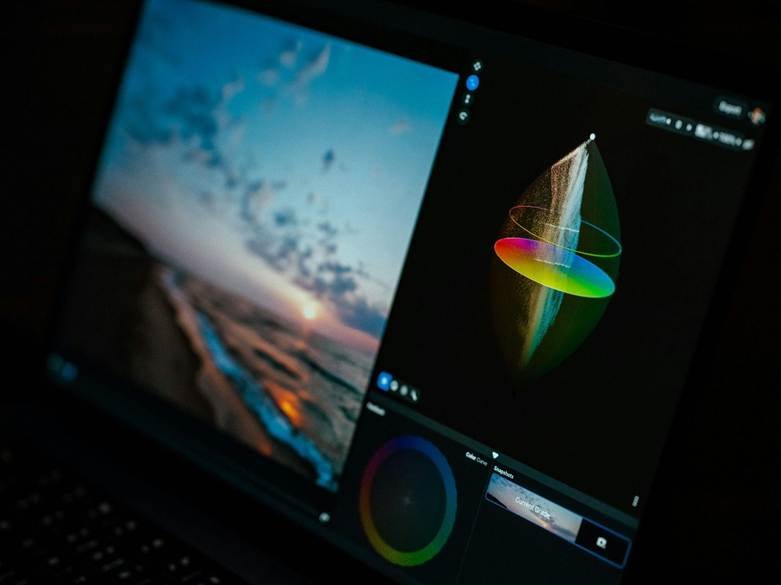
Photo by Egor Komarov on Unsplash
As digital ecosystems continue to expand, businesses are producing and handling large volumes of visual assets. However, not all images meet modern quality standards, especially when sourced from different devices, compressed formats, or legacy archives. This growing gap between content demand and visual quality is driving the adoption of image enhancement tools.
The Rising Importance of Visual Quality in Digital Experiences
Visuals are often the first point of interaction between a user and a platform. High-resolution images create a sense of professionalism and trust, while low-quality visuals can negatively impact perception.
For tech companies and digital agencies, this is particularly relevant. Product screenshots, UI mockups, and marketing graphics must appear sharp across devices, including high-resolution displays. As expectations increase, maintaining consistent image quality becomes a critical part of content strategy.
The Challenge of Managing Inconsistent Image Assets
Many organizations rely on images from multiple sources, including internal teams, clients, and third-party contributors. This often results in inconsistencies in resolution, clarity, and formatting.
Older assets may not meet current standards, while compressed images can lose detail when reused. Simply resizing images does not solve the problem, as traditional scaling methods often lead to pixelation and distortion.
These challenges highlight the need for more advanced solutions that can enhance image quality without requiring complete redesigns or reshoots.
Understanding AI-Based Image Enhancement
Teams looking to improve visual consistency across digital assets often take time to learn about this online tool for image enhancement when evaluating how AI-powered solutions can improve image clarity and resolution.
Image enhancement tools, particularly those powered by artificial intelligence, go beyond basic resizing. They analyze patterns, textures, and edges within an image to intelligently reconstruct missing details. This process, often referred to as super-resolution, allows images to be enlarged while maintaining or even improving quality.
According to Cloudinary’s technical overview, AI-driven upscaling can significantly enhance image clarity by generating additional detail rather than simply stretching existing pixels.
Why Traditional Image Scaling Falls Short
Standard image resizing techniques rely on duplicating pixels to increase size. This method works for minor adjustments but quickly degrades quality when scaling significantly.
The result is often blurry or grainy visuals that fail to meet professional standards. For businesses that depend on visual communication, this can undermine the effectiveness of their content.
AI-based tools address this limitation by using trained models to predict how an image should look at a higher resolution. This produces more natural and visually appealing results, even when starting with lower-quality inputs.
Improving Workflow Efficiency for Digital Teams
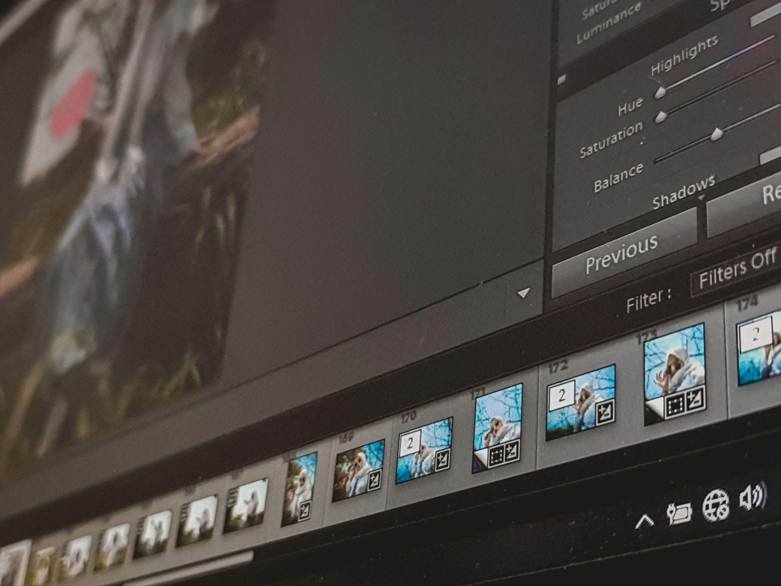
Photo by Imam Fadly on Unsplash
Efficiency is a critical factor in modern digital operations. Teams working on websites, apps, or marketing campaigns often need to process large volumes of images quickly.
Manual editing can be time-consuming, especially when dealing with multiple assets. Image enhancement tools streamline this process by automating improvements, allowing teams to focus on more strategic tasks.
Red Stag Labs, for example, operates across web development, digital marketing, and software solutions, where managing visual assets efficiently is essential for delivering projects on time and maintaining quality standards.
Supporting Multi-Platform Content Delivery
Digital content is no longer confined to a single platform. Images must be optimized for websites, mobile apps, social media, and high-resolution displays.
Each platform has different requirements for size, format, and resolution. Image enhancement tools help ensure that visuals remain sharp and consistent across all channels.
This adaptability is particularly important for tech-focused platforms, where users interact with content across a variety of devices and screen sizes.
Enhancing User Experience Through Better Visuals
User experience is closely tied to visual quality. Clear, detailed images not only improve aesthetics but also make content easier to understand and interact with.
For example, product images with higher clarity allow users to better evaluate features, while sharp UI visuals improve comprehension in tutorials or guides.
Industry insights suggest that visual content with higher clarity and resolution contributes to improved engagement and longer user interaction times, making image quality a key factor in digital performance.
Maximizing the Value of Existing Assets
One of the most practical benefits of image enhancement is the ability to reuse existing assets. Instead of replacing outdated visuals, teams can improve them to meet current standards.
This is particularly useful for archived content, where original files may no longer be available. Enhancing these images allows organizations to extend their lifespan and maintain consistency across older and newer content.
This approach reduces production costs while ensuring that all visuals align with modern expectations.
Automation and Scalability in Visual Workflows
As content production scales, manual processes become less sustainable. Businesses need solutions that can handle large volumes of assets without compromising quality.
Cloud-based tools provide automation capabilities, enabling image enhancements to be applied at scale. This allows teams to maintain consistent quality across hundreds or thousands of images.
Automation also integrates seamlessly into existing workflows, making it easier to manage visual assets as part of broader digital operations.
The Future of Image Processing in Digital Platforms
Artificial intelligence is continuing to reshape how images are created and optimized. Beyond upscaling, modern tools now support features such as background removal, object detection, and automated adjustments.
These advancements are making it easier for organizations to maintain high visual standards without increasing workload. As digital content becomes more visual, the importance of intelligent image processing will continue to grow.
For platforms operating in technology and digital services, adopting image enhancement tools is not just about improving visuals, it is about staying competitive in an environment where quality, speed, and consistency define user experience.