Nofollow links do help SEO, but not in a direct way. They don’t pass full link authority like dofollow links, but Google now treats them as “hints,” which means they can still influence rankings, crawling, and visibility.
Since Google’s 2019–2020 update, nofollow links are no longer completely ignored. They can help search engines discover your pages, bring traffic, and support your overall link profile.
In this guide, you’ll learn exactly how nofollow links impact SEO, common myths, and how to use them the right way in your strategy.
What Are Nofollow Links?
Nofollow links are links that tell search engines not to pass authority from one page to another. In simple terms, they are links that don’t directly boost the ranking power of the page they point to.
These links use a special HTML attribute:
rel="nofollow"
When this attribute is added to a link, it signals to search engines that the website owner does not want to transfer ranking value through that link.
Why Are Nofollow Links Used?
Nofollow links are mainly used to control how link authority flows and to keep websites safe from spam. They are commonly used in:
- Paid links – to follow Google guidelines and avoid penalties
- Blog comments – to stop spammy links from gaining value
- User-generated content – like forums, reviews, and community posts
Brief History of Nofollow Links
Nofollow links were introduced in 2005 by Google to fight comment spam on blogs and websites.
At that time, people were dropping links everywhere just to gain rankings. The nofollow tag helped website owners block those links from passing SEO value, making search results more reliable.
Over time, their role has evolved, especially after Google started treating them as hints rather than strict rules.
Nofollow vs Dofollow Links (Clear Comparison)
Understanding the difference between nofollow and dofollow links is key if you want to build a strong SEO strategy. Both types of links matter, but they work in different ways.
Key Differences Table
| Factor | Nofollow | Dofollow |
|---|---|---|
| Pass link juice | ❌ No | ✅ Yes |
| Ranking impact | Indirect | Direct |
| Crawling | Sometimes | Yes |
| Usage | Ads, comments | Editorial links |
Simple Explanation
- Dofollow links act as a ranking signal. They pass authority (often called link juice) from one site to another, which can directly improve search rankings.
- Nofollow links act as a hint. They don’t pass full authority, but they still help search engines understand links, discover pages, and evaluate your site naturally.
Why Dofollow Links Matter More for Rankings
Dofollow links are still one of the strongest ranking factors because they transfer authority between websites. When a trusted site links to you with a dofollow link, it signals to Google that your content is valuable, which can improve your position in search results.
That said, relying only on dofollow links is not a good strategy. A natural backlink profile always includes a mix of both dofollow and nofollow links.
Do Nofollow Links Help SEO? (Detailed Answer)
Yes, nofollow links do help SEO, but in a different way than dofollow links. They don’t directly pass ranking power, but they still play an important role in how your site is discovered, trusted, and evaluated.
1. Google Treats Them as “Hints”
Since 2019, Google no longer treats nofollow links as strict rules. Instead, they are considered “hints.”
This means:
- Search engines may still crawl these links
- They can use them to understand content relationships
- They may even consider them when evaluating rankings
So, nofollow links are not ignored anymore, they are part of the bigger SEO picture.
2. They Don’t Pass Direct Link Equity
Nofollow links do not pass PageRank, which means:
- No direct transfer of authority
- No immediate ranking boost
Unlike dofollow links, they won’t directly push your page higher in search results. That’s why many people underestimate their value.
3. They Still Contribute Indirectly
This is where nofollow links become powerful.
Even without passing link equity, they help SEO through:
- Traffic generation → more visitors to your site
- Brand exposure → more people discover your content
- Natural link profile → signals trust to search engines
- More backlinks → can lead to future dofollow links
In simple terms, nofollow links may not boost rankings directly, but they create the conditions that help your site rank better over time.
RELATED ARTICLES:
Do Rich Snippets Help SEO? (Complete Guide With Examples)
Do Google Reviews Help SEO? (Complete Guide 2026)
How Nofollow Links Help SEO (Real Benefits)
Even though nofollow links don’t pass direct authority, they still bring real SEO value in multiple ways. Here’s how they actually help your website grow.
1. Drive Referral Traffic
Nofollow links can still send real users to your site.
- People click on links → visit your website
- More traffic means more chances for:
- Leads
- Sales
- Engagement
If a link is placed on a high-traffic page, it can bring consistent visitors regardless of SEO value.
2. Improve Brand Visibility
Getting featured on trusted platforms increases your brand reach.


4
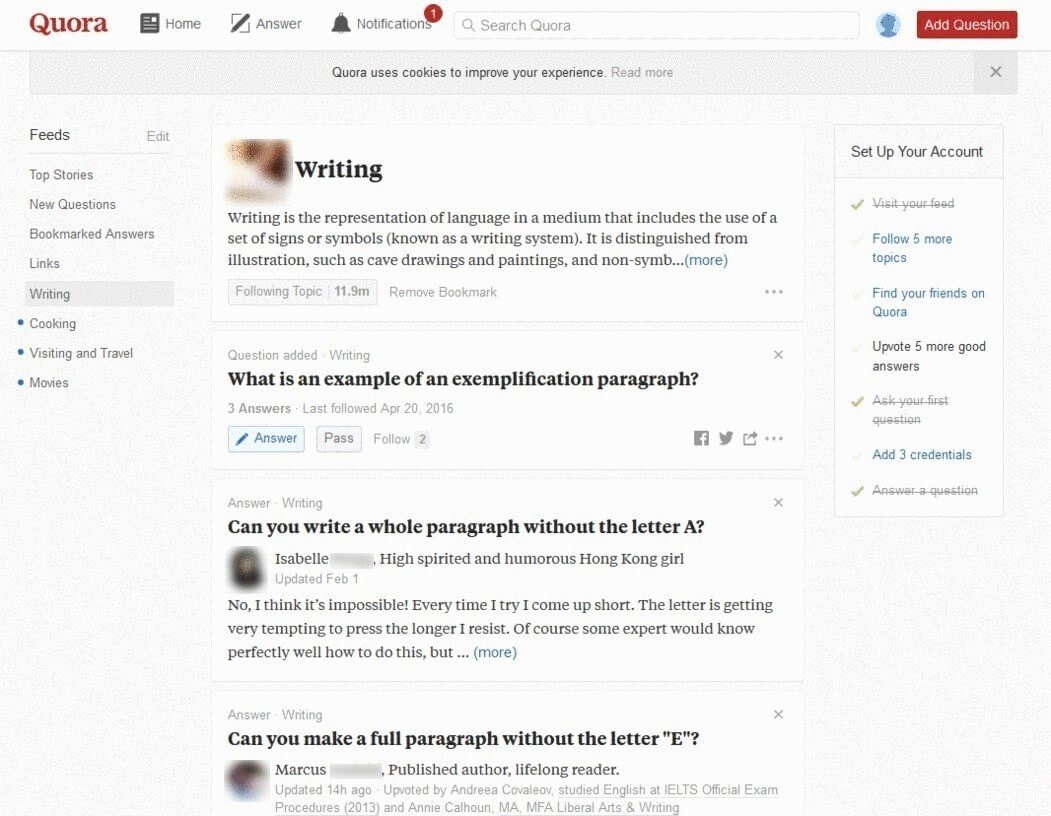
- Sites like Forbes or Wikipedia often use nofollow links
- Your brand appears in front of a large audience
- Builds trust and authority in your niche
Even without direct SEO value, this exposure strengthens your overall presence.
3. Help Indexing & Discovery
Search engines like Google may still use nofollow links as signals.
- They can crawl these links as hints
- Help discover new pages faster
- Improve chances of getting indexed
This is especially useful for new websites or fresh content.
4. Create a Natural Link Profile
A healthy backlink profile always includes a mix of link types.
- Only dofollow links = looks unnatural
- Mix of dofollow + nofollow = looks organic
This balance helps:
- Build trust with search engines
- Avoid spam or manipulation signals
5. Lead to Dofollow Links
Nofollow links can open the door to better opportunities.
- More visibility → more people see your content
- Some may link back with dofollow links
- Results in indirect ranking improvement
In many cases, nofollow links act as the starting point that leads to stronger backlinks later.
When Nofollow Links Are Valuable
Not all nofollow links are equal. Some can bring strong SEO benefits, while others do almost nothing. The value depends on where the link comes from and how people interact with it.
1. From High-Authority Websites
Nofollow links from trusted websites still carry strong indirect value.
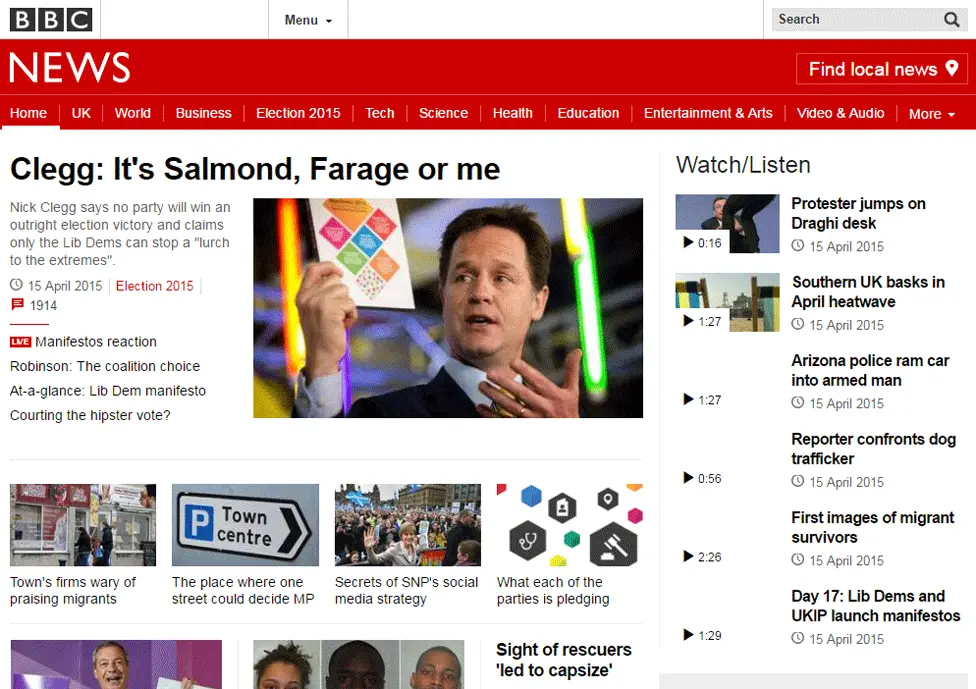
- Links from sites like Forbes or BBC increase credibility
- Search engines notice these mentions
- Users trust your brand more
Even without link equity, these links boost your reputation.
2. From Relevant Niche Content
Relevance matters more than link type.
- A link from a site in your industry is more valuable
- Helps search engines understand your niche
- Brings targeted visitors who are more likely to engage
For example, a link from an SEO blog is far more useful than a random unrelated site.
3. From Platforms With Real Traffic
If a page gets visitors, your link can bring traffic too.
- More clicks → more engagement
- Higher chances of conversions
- Builds real audience, not just SEO signals
Traffic-driven links often outperform low-quality dofollow links.
Examples of Valuable Nofollow Link Sources


- Social media platforms like Facebook
- Forums and communities like Reddit
- News websites and media mentions
These platforms may use nofollow links, but they offer visibility, traffic, and trust, which are all important for SEO growth.
When Nofollow Links Are NOT Useful
While some nofollow links can support your SEO, others can waste your time, or even hurt your site if they come from low-quality sources. Here are the types you should avoid.
1. Spammy Directories
Not all directories are helpful. Many exist only to host links without real value.
- No real traffic
- Poor-quality or outdated listings
- Often filled with unrelated or duplicate sites
Links from these directories don’t help SEO and can send negative signals to Google.
2. Irrelevant Websites
Relevance is a key factor in link value.
- Links from unrelated niches don’t make sense
- They bring low-quality or no traffic
- Search engines may ignore them completely
For example, a tech website getting links from a random food blog won’t add much value.
3. Automated Link Building
Using bots or tools to create links at scale is risky.
- Links are placed without context
- Usually appear on low-quality or spam sites
- Can trigger spam signals
Search engines are smart enough to detect unnatural patterns. Even if the links are nofollow, large-scale automation can still harm your overall SEO profile.
Key Takeaway
Nofollow links only help when they come from trusted, relevant, and active sources. If the link doesn’t bring traffic, relevance, or credibility, it’s not worth building.
Common Myths About Nofollow Links
There’s a lot of confusion around nofollow links. Many people either ignore them or misunderstand their role in SEO. Let’s clear up the most common myths.
Myth 1: Nofollow Links Have No SEO Value
Reality: They do have value, just not in a direct way.
- They can bring traffic and visibility
- Help search engines like Google discover your pages
- Support your overall SEO growth indirectly
So, while they don’t pass authority, they still contribute to your site’s performance.
Myth 2: Only Dofollow Links Matter
Reality: A balanced link profile works better.
- Only dofollow links can look unnatural
- A mix of dofollow + nofollow looks more organic
- Search engines trust natural link patterns more
Ignoring nofollow links means missing out on important signals.
Myth 3: Nofollow Links Are Bad
Reality: They are a normal and essential part of SEO.
- Most big platforms use nofollow links
- They help protect sites from spam
- They still bring real users and exposure
In fact, a website without any nofollow links can look suspicious. A healthy SEO strategy always includes both types of links.
H2: How to Get Nofollow Links (That Actually Help) H3: 1. Guest Posting on Big Sites Many use nofollow links H3: 2. Social Media Platforms All major platforms use nofollow H3: 3. Forum Participation Reddit, Quora, niche communities H3: 4. PR & Brand Mentions News mentions (often nofollow)
How to Get Nofollow Links (That Actually Help)
Not all nofollow links are worth your effort. The goal is to get links that bring real traffic, visibility, and trust. Here are the best ways to build nofollow links that actually make a difference.
1. Guest Posting on Big Sites
Publishing content on well-known websites is a strong way to earn quality links.
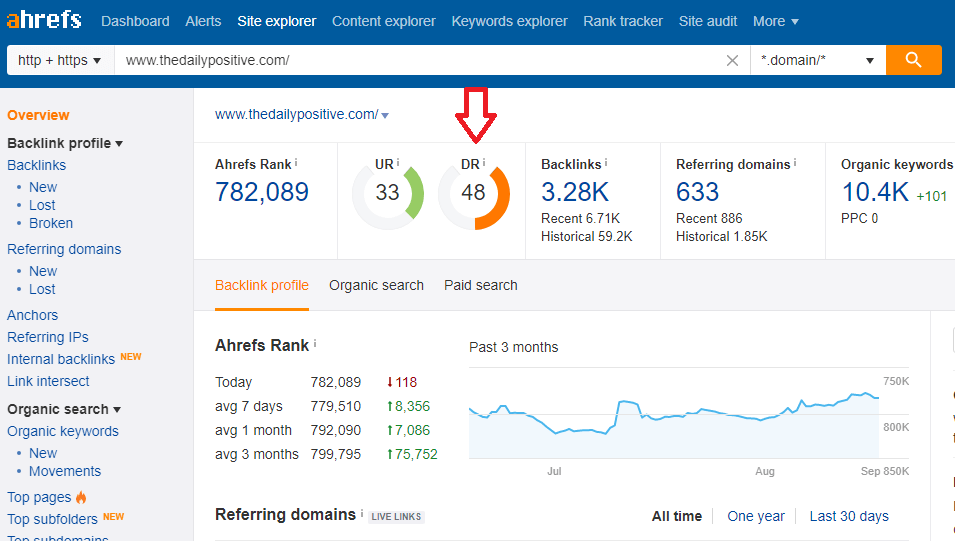

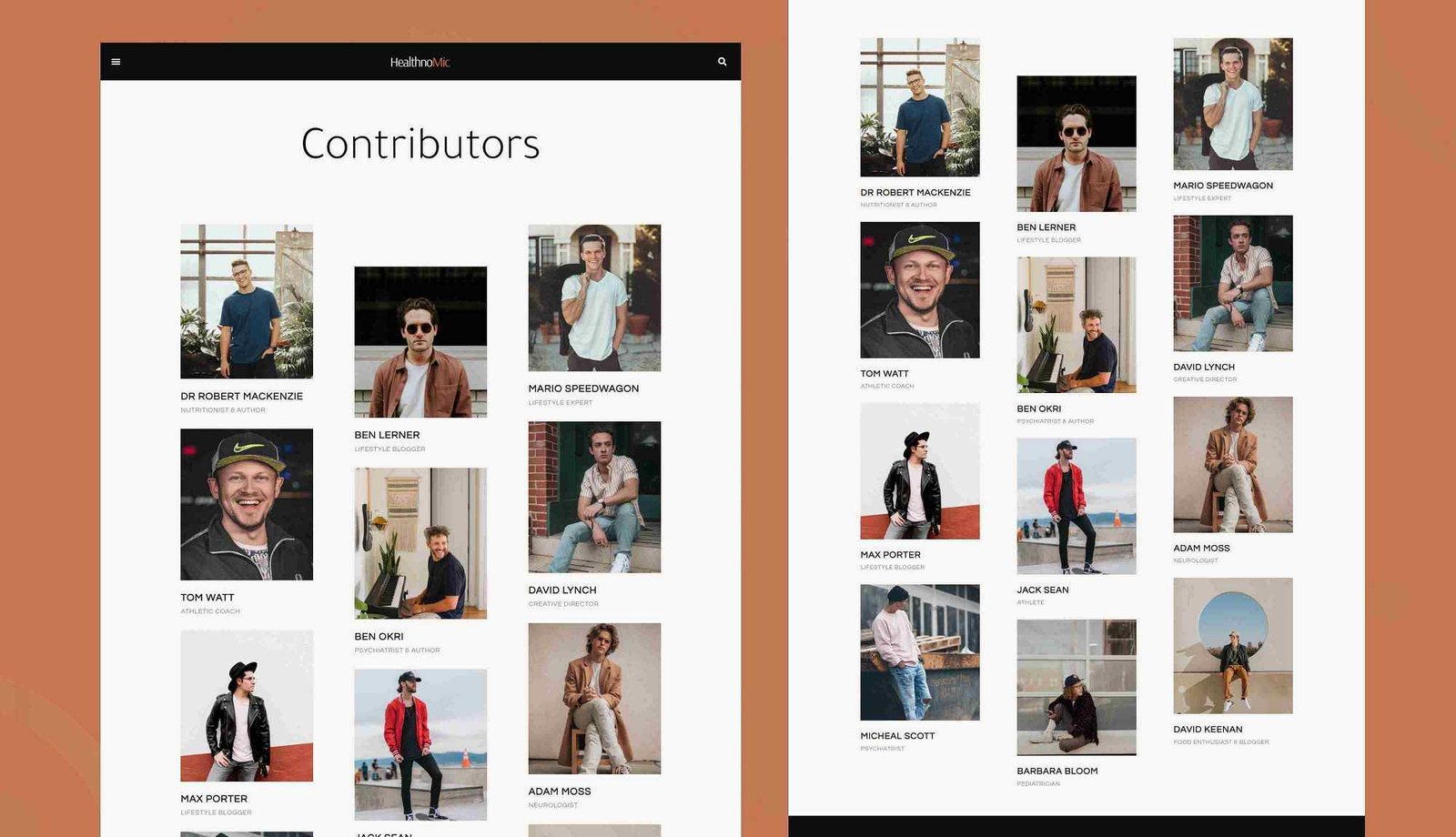
- Many high-authority sites use nofollow links by default
- You still get exposure to a large audience
- Builds credibility in your niche
Even if the link is nofollow, the visibility can lead to future dofollow backlinks.
2. Social Media Platforms
Social media is one of the easiest ways to get nofollow links.
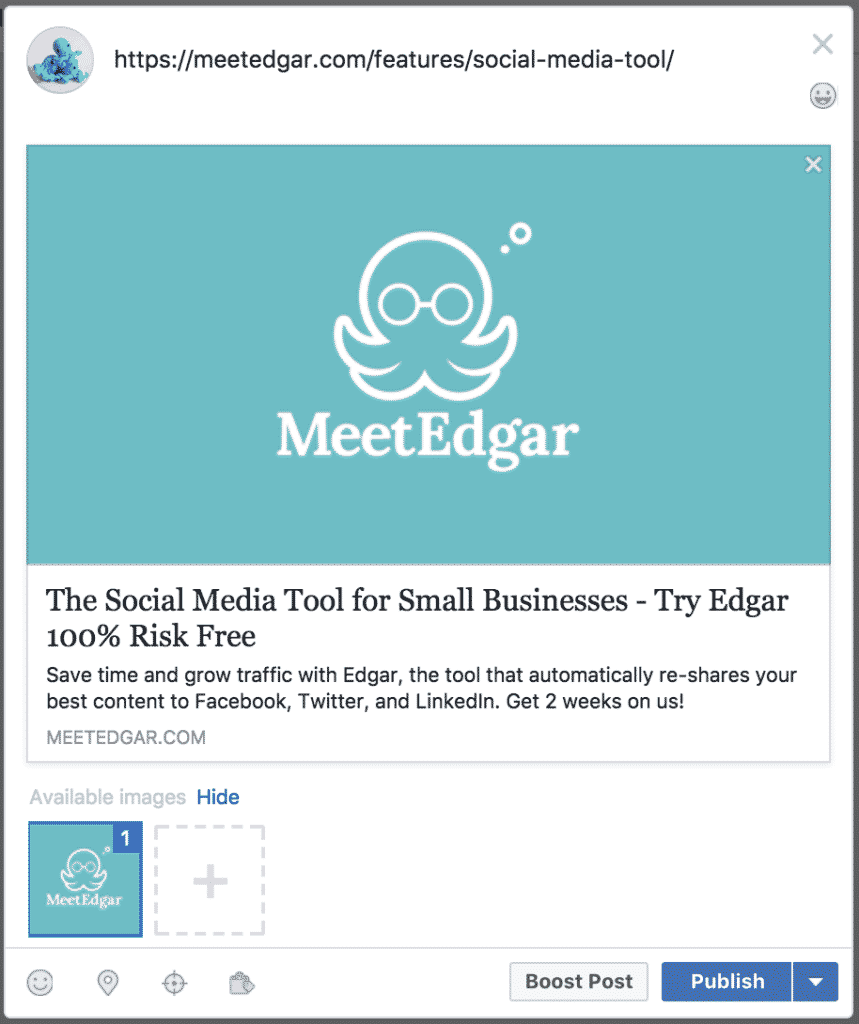
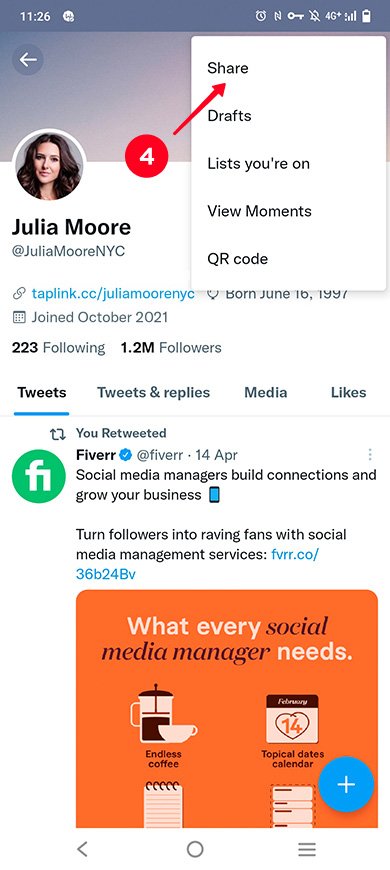
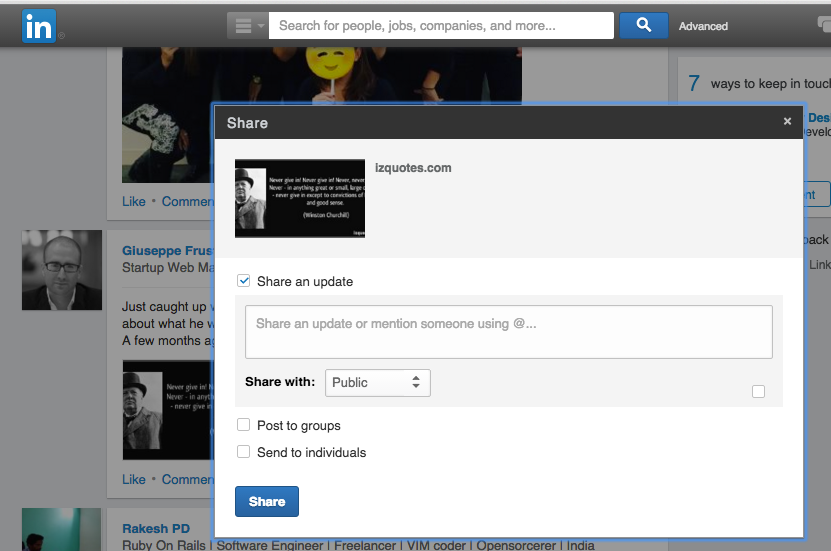
- Platforms like Facebook and LinkedIn use nofollow links
- Helps drive consistent referral traffic
- Increases content reach and engagement
These links are valuable because they bring real users, not just SEO signals.
3. Forum Participation
Online communities are great for targeted traffic and niche visibility.

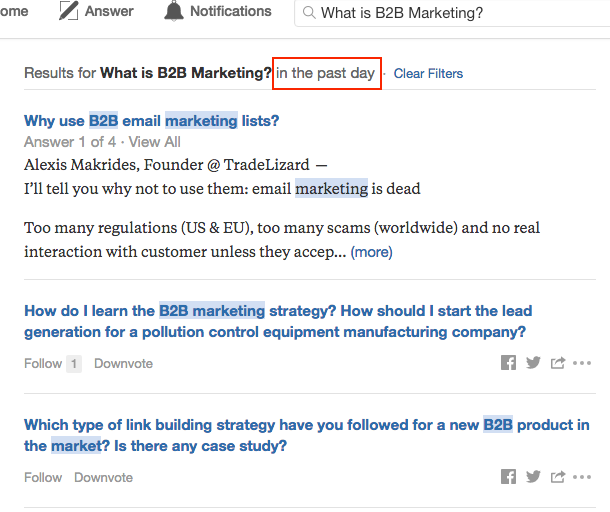

- Platforms like Reddit and Quora allow links in discussions
- You can answer questions and share useful resources
- Brings highly relevant traffic
Focus on adding value instead of dropping links randomly.
4. PR & Brand Mentions
Getting mentioned in news or media can bring strong SEO benefits.
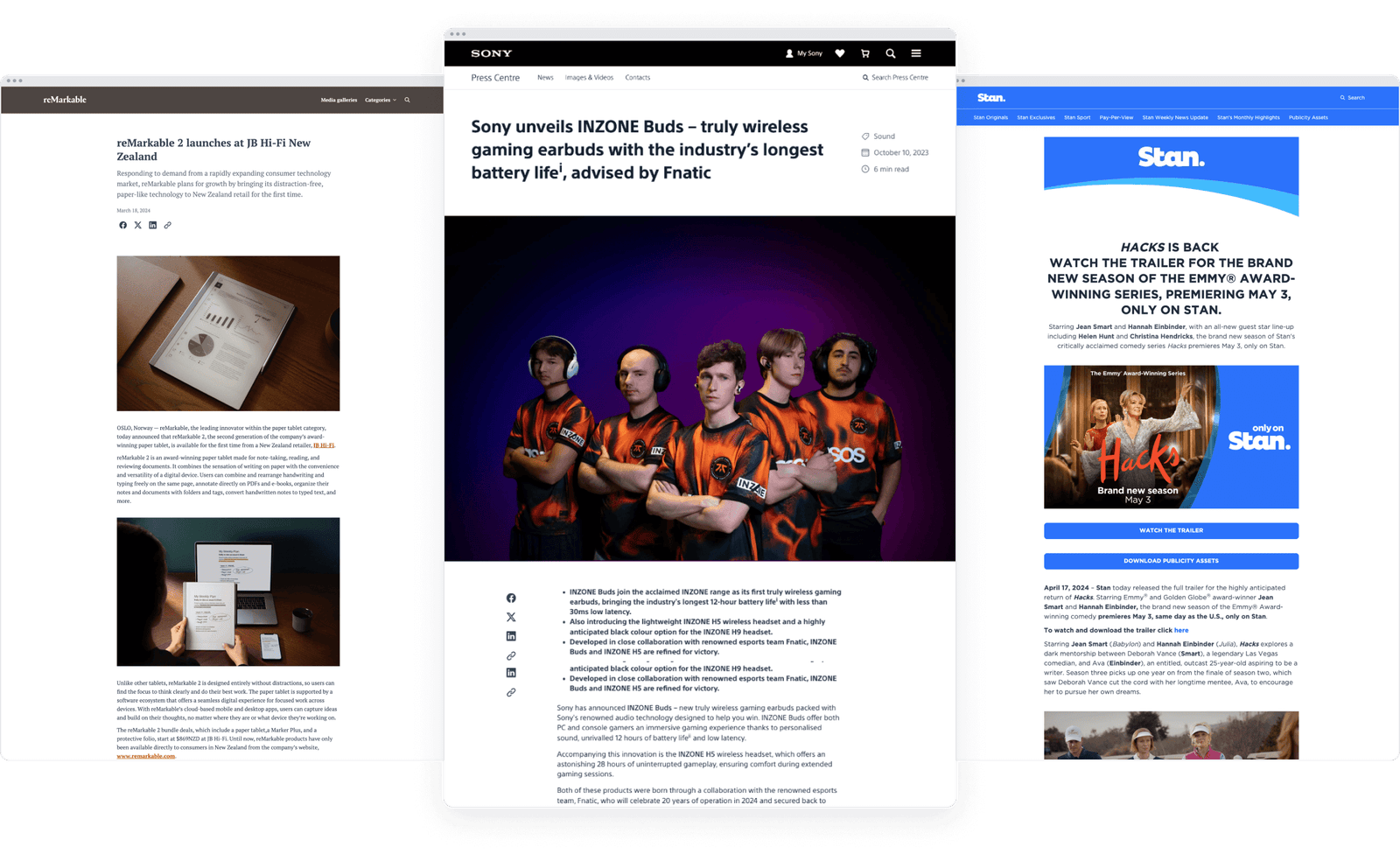
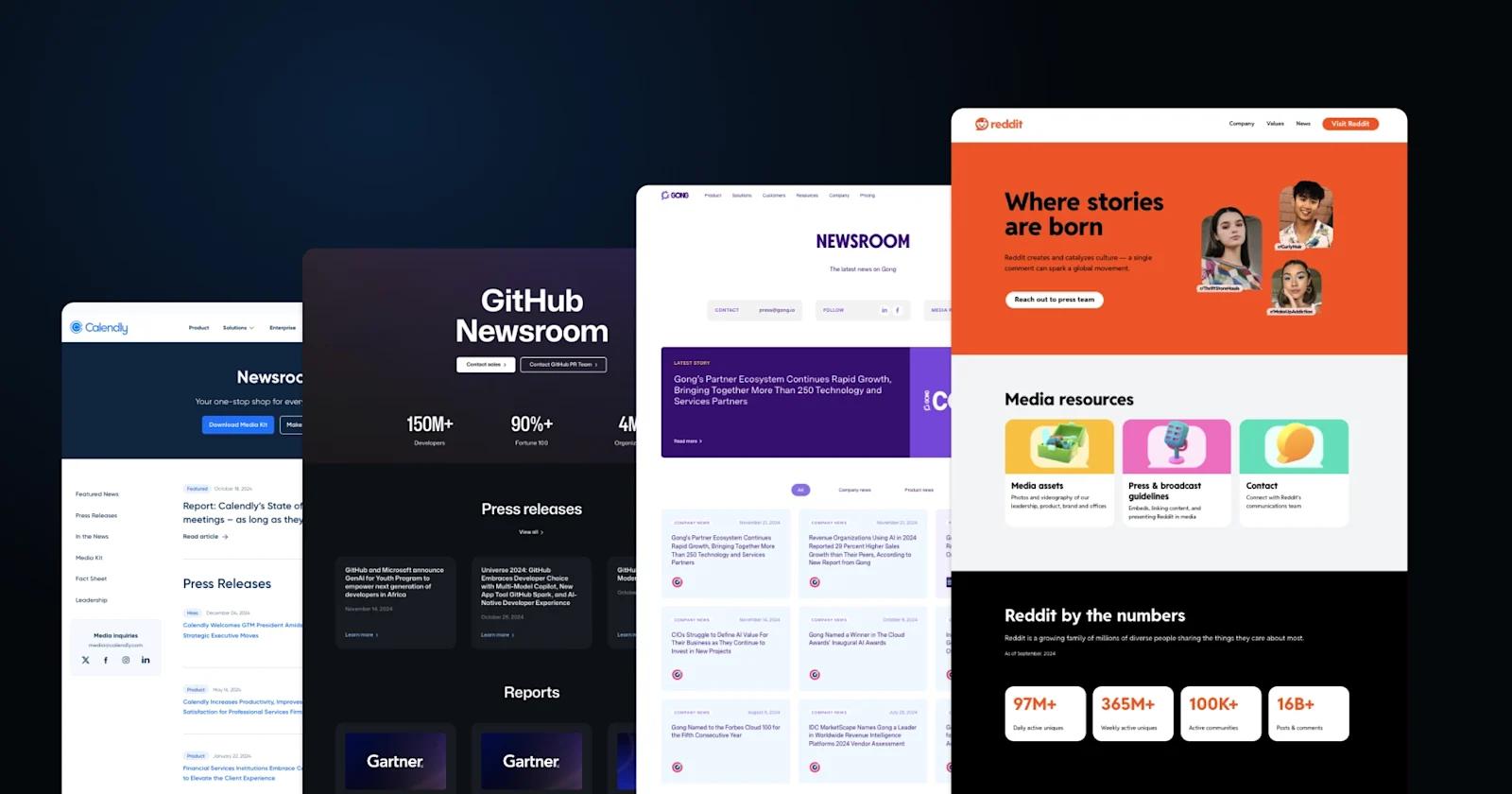
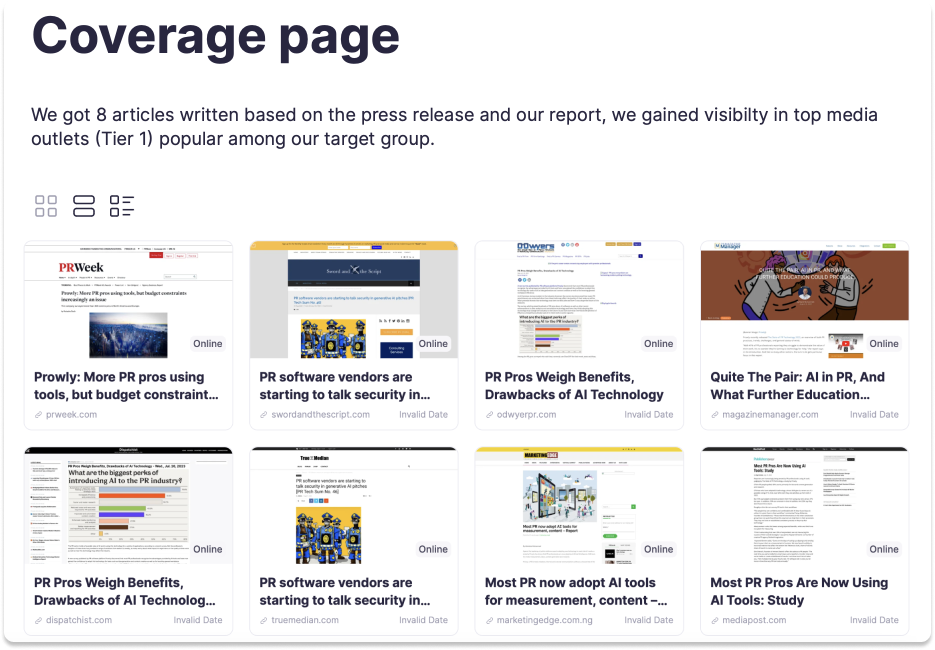
- News websites often use nofollow links
- Builds brand authority and trust
- Reaches a wider audience
Mentions on trusted sites can lead to more coverage and natural backlinks later.
Key Tip
Focus on visibility, relevance, and traffic, not just link type. A strong nofollow link from the right place is far more valuable than a weak dofollow link from a low-quality site.
Nofollow Links Strategy (SEO Best Practices)
A smart SEO strategy doesn’t ignore nofollow links, it uses them the right way. When combined with dofollow links, they help build a strong and natural backlink profile.
Don’t Ignore Nofollow Links
Nofollow links are part of a healthy SEO strategy.
- They support visibility and discovery
- Help diversify your backlink profile
- Send trust signals to search engines like Google
Ignoring them means missing out on real growth opportunities.
Focus on What Actually Matters
Instead of chasing link types, focus on link quality:
- Relevance → Is the website related to your niche?
- Traffic potential → Will people actually click the link?
- Authority → Is the website trusted and active?
A relevant nofollow link with traffic is far more useful than a random dofollow link.
Maintain a Natural Backlink Profile
A balanced link profile is key.
- Mix of nofollow + dofollow links
- Links from different sources (blogs, forums, media, social platforms)
- Gradual and natural link growth
This makes your website look authentic and trustworthy.
Avoid Over-Optimizing Anchor Text
Anchor text should look natural.
- Don’t repeat the same keyword again and again
- Use branded, generic, and natural phrases
- Keep it user-friendly
Over-optimization can send spam signals, even if your links are nofollow.
Simple Strategy to Follow
- Build links where your audience already exists
- Prioritize value and visibility over link type
- Let nofollow links support your long-term SEO growth
In short, nofollow links are not just “extra”, they are a core part of a balanced and effective SEO strategy.
Nofollow Links and Google Algorithm (2026 Update)
Nofollow links have changed a lot over the years. Today, they play a more active role in how search engines evaluate and understand your website.
Treated as Hints, Not Directives
Since the update by Google, nofollow links are no longer strict instructions.
- Earlier: Completely ignored for ranking
- Now: Treated as hints
This means Google can choose to:
- Consider them for crawling
- Use them as part of ranking signals
- Analyze how they connect different pages
How Nofollow Links Help Google
Even without passing full authority, nofollow links help search engines in key ways:
- Understand context
- Links show how pages are related
- Helps Google interpret content relevance
- Discover new pages
- Google can follow these links to find fresh content
- Useful for new or less visible pages
Why They Matter in Modern SEO
In today’s SEO, it’s not just about passing link juice.
- Google looks at overall link patterns
- Nofollow links contribute to a natural backlink profile
- They support visibility, indexing, and trust
Key Takeaway
Nofollow links may not directly boost rankings, but they play an important role in how Google understands, discovers, and evaluates your website.
That’s why they are an essential part of any modern SEO strategy.
FAQs (People Also Ask Section)
Here are the most common questions people ask about nofollow links, with clear and direct answers.
Do nofollow links improve rankings?
Yes, but indirectly.
Nofollow links don’t pass direct ranking power, but they:
- Help search engines like Google discover your content
- Bring traffic and visibility
- Support a natural backlink profile
All of this can contribute to better rankings over time.
Are nofollow links worth building?
Yes, they are definitely worth it.
- They drive real traffic
- Build brand authority
- Increase chances of earning dofollow links later
Ignoring them means missing out on important SEO benefits.
Should I avoid nofollow backlinks?
No, you should not avoid them.
- They are a normal part of the web
- Most big platforms use nofollow links
- A profile without them can look unnatural
A healthy SEO strategy includes both types of links.
How many nofollow links should I have?
There is no fixed number or ratio.
- Focus on a natural mix of nofollow and dofollow links
- Let your link profile grow organically
- Avoid trying to control exact percentages
Search engines care more about quality and relevance than numbers.
Do nofollow links help indexing?
Yes, they can help.
Since Google treats them as hints:
- They may be used to crawl your pages
- Help new content get discovered faster
This makes them useful, especially for new websites or pages.
Bonus SEO Sections (To Outrank Competitors) H2: Checklist: Should You Build This Nofollow Link? Is it relevant? Does it bring traffic? Is the site trusted? H2: Internal Linking Suggestions Link to: Backlink strategy article Dofollow vs nofollow guide Link building mistakes
Checklist: Should You Build This Nofollow Link?
Before building any nofollow link, take a quick step back and evaluate its real value. Not every link is worth your time.
Use this simple checklist:
- Is it relevant?
The website should be related to your niche or topic. Relevant links bring better traffic and stronger signals. - Does it bring traffic?
Ask yourself: will people actually click this link? If yes, it’s valuable—even if it’s nofollow. - Is the site trusted?
The website should be active, credible, and not filled with spam. Trusted sites add more value to your SEO.
Quick Rule
If a nofollow link gives you visibility, traffic, or trust, it’s worth building.
If it gives none of these, skip it.
Conclusion
So, do nofollow links help SEO? Yes—they play an important role, even if they don’t pass authority directly.
The key takeaway is simple:
- Nofollow links don’t transfer link equity like dofollow links
- But they support SEO through traffic, visibility, indexing, and trust signals
Search engines like Google now treat these links as hints, which makes them more valuable than before.
Final Advice
Don’t focus only on link type. Instead:
- Build links from relevant and trusted websites
- Prioritize traffic and real audience value
- Maintain a natural mix of nofollow and dofollow links
In the long run, a balanced and quality-driven approach will always perform better than chasing only dofollow links.