The internet has become deeply woven into everyday life, making it easier than ever to connect, work, shop, and access information.
While these conveniences have transformed modern living, they have also created a new challenge: the widespread collection and distribution of personal data. Many people are unaware of how much information about them is publicly available online and how easily it can be accessed.
From social media accounts to public records and marketing databases, personal details often spread across the web without individuals fully realizing it.
As concerns about identity theft, scams, and unwanted exposure continue to grow, more people are looking for practical ways to regain control of their digital footprint and protect their privacy.
Understanding How Your Personal Information Ends Up Online
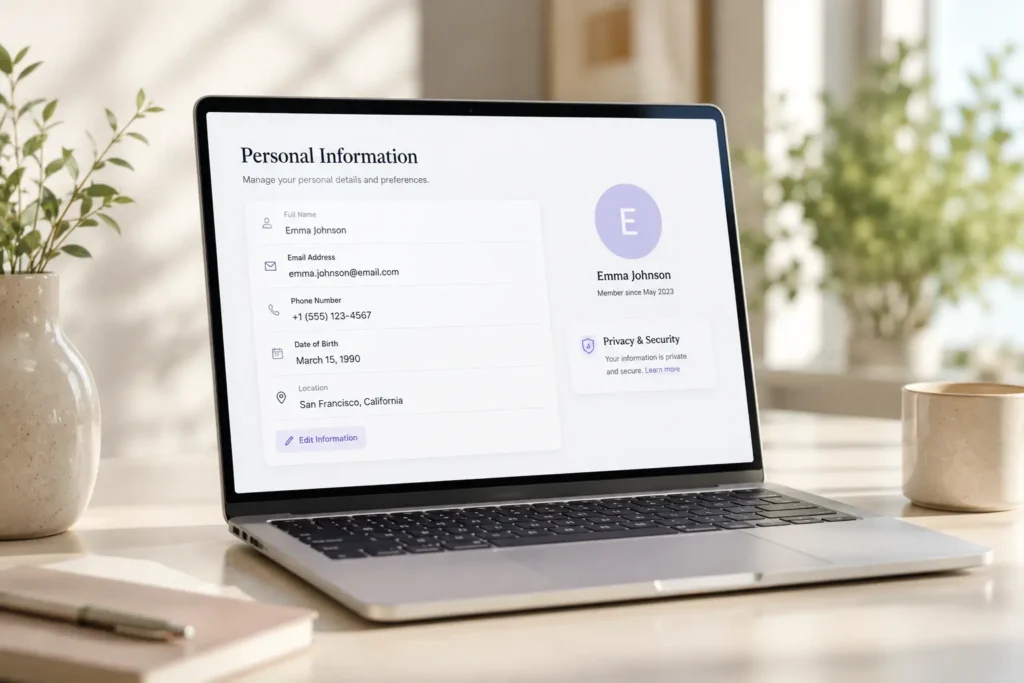
Personal information appears online through many different channels. Some data is shared voluntarily when people create social media profiles, sign up for newsletters, participate in forums, or publish personal content online. These activities contribute to a digital presence that can remain visible for years.
Businesses and online platforms also collect information through purchases, account registrations, loyalty programs, and website interactions. This data is often stored, analyzed, and sometimes shared with third parties as part of broader marketing and operational processes.
Another significant source of exposure comes from public records and data brokers. These organizations gather information from multiple sources and compile detailed profiles that may include contact information, addresses, family relationships, property records, and other personal details that become accessible through online searches.
Why Online Privacy Matters More Than Ever
Online privacy has become an essential part of personal security in the digital age. The more information available about an individual, the easier it may become for bad actors to build profiles that can be used for fraudulent purposes.

Personal details that seem harmless on their own can become valuable when combined with information from other sources.
Cybersecurity professionals frequently emphasize the importance of limiting unnecessary exposure online. Information such as birth dates, previous addresses, phone numbers, and family connections can potentially be used in phishing attempts, identity theft schemes, or account recovery attacks.
Privacy concerns extend beyond cybersecurity risks. Employers, recruiters, business partners, and other organizations may review publicly available information when evaluating opportunities.
Managing what appears online can help ensure that outdated, inaccurate, or unnecessary information does not create unintended consequences.
Identifying Where Your Data Exists
The first step toward reclaiming privacy is understanding where personal information appears online. Conducting searches using your name, email address, phone number, and other identifying details can reveal websites that contain information you may have forgotten about or never knew existed.
Social media platforms are often among the most visible sources of personal information. Reviewing old accounts, adjusting privacy settings, and removing unnecessary content can significantly reduce the amount of information available to the public.
Data broker websites deserve particular attention because they frequently aggregate information from multiple sources into a single profile. Identifying which platforms contain your information creates a clearer picture of your digital footprint and helps prioritize removal efforts.
Practical Steps to Remove Personal Information
Once personal information has been identified, individuals can begin taking action to reduce their online exposure. One of the most effective starting points is reviewing privacy settings across social media platforms, online accounts, and other services that display personal details publicly.
Many websites provide options to delete accounts, remove profiles, or submit requests for data removal. While the process can vary between organizations, contacting website administrators directly often helps eliminate information that is no longer relevant or desired.
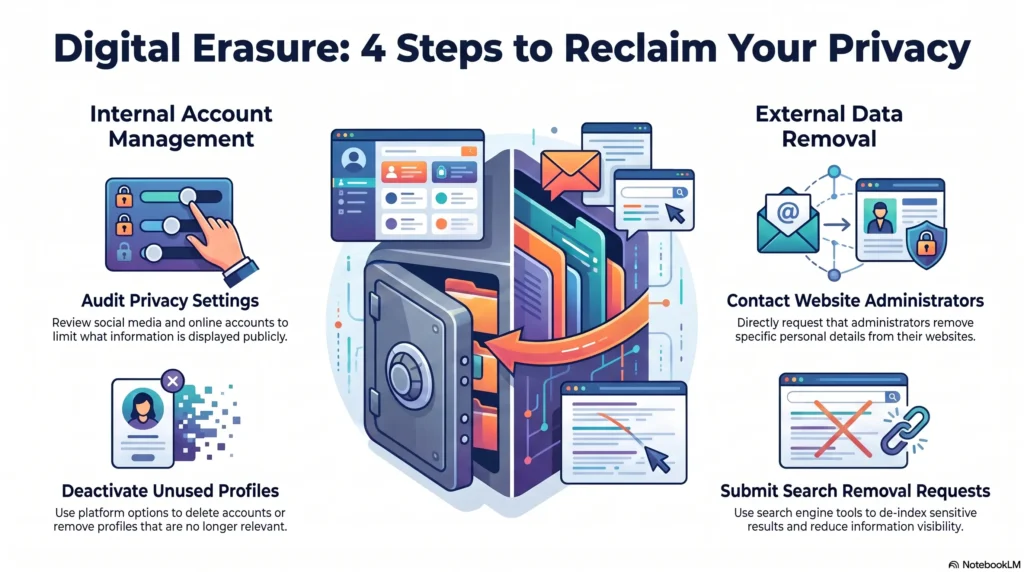
Search engines may also offer removal options for certain categories of sensitive information. Although removing search results does not always delete content from the source, it can significantly reduce visibility and make personal information harder to find through common searches.
The Role of Data Removal Services
Managing privacy manually can become time-consuming, particularly when information is spread across dozens of websites. Tracking removal requests, following up with organizations, and monitoring new exposures often requires considerable effort and persistence.
To simplify the process, many individuals choose to use services designed specifically for online privacy management. Solutions such as VanishID help users identify exposed personal information, submit removal requests, and monitor progress across multiple websites and databases.
The growing popularity of these services reflects increasing awareness of digital privacy concerns. As more people recognize the value of controlling their online presence, privacy-focused tools continue to play an important role in helping individuals manage their personal information more effectively.
Maintaining Privacy After Removal
Removing information from the internet is not a one-time task. New accounts, online purchases, subscriptions, and public records can continually generate additional data that may eventually appear online. Ongoing awareness is necessary to maintain long-term privacy.
Developing good digital habits can reduce future exposure. Limiting the amount of personal information shared online, reviewing permissions before signing up for services, and carefully managing privacy settings can prevent unnecessary data collection.
Regular audits of your online presence can also be beneficial. Searching for your name periodically, reviewing old accounts, and monitoring data broker listings can help identify new issues early and make them easier to address before information spreads more widely.
Building a Healthier Digital Future
As technology continues to evolve, conversations about privacy are becoming increasingly important. Consumers, businesses, and policymakers all share responsibility for creating a digital environment that balances innovation with the protection of personal information.
Individuals who take proactive steps to manage their online presence are often better positioned to reduce risks and maintain greater control over their personal data. Even small improvements can contribute to stronger privacy and security over time.
Reclaiming your privacy does not require disappearing from the internet entirely. Instead, it involves making informed decisions about what information is shared, where it appears, and how it is managed. By understanding your digital footprint and taking practical steps to reduce unnecessary exposure, you can build a safer and more controlled online presence.
Conclusion
Protecting your personal information online is no longer something reserved for cybersecurity experts or privacy advocates. As more personal data becomes accessible through search engines, social platforms, public records, and data broker websites, taking control of your digital footprint has become an important part of maintaining both privacy and security.
Understanding where your information exists and taking proactive steps to remove unnecessary exposure can significantly reduce potential risks.
While completely disappearing from the internet may not be realistic, gaining greater control over how your information is shared and displayed certainly is.
By regularly reviewing your online presence, adjusting privacy settings, utilizing removal tools such as VanishID when appropriate, and practicing mindful digital habits, you can create a safer and more private online experience. Small, consistent efforts today can lead to greater peace of mind and stronger protection in the years ahead.